

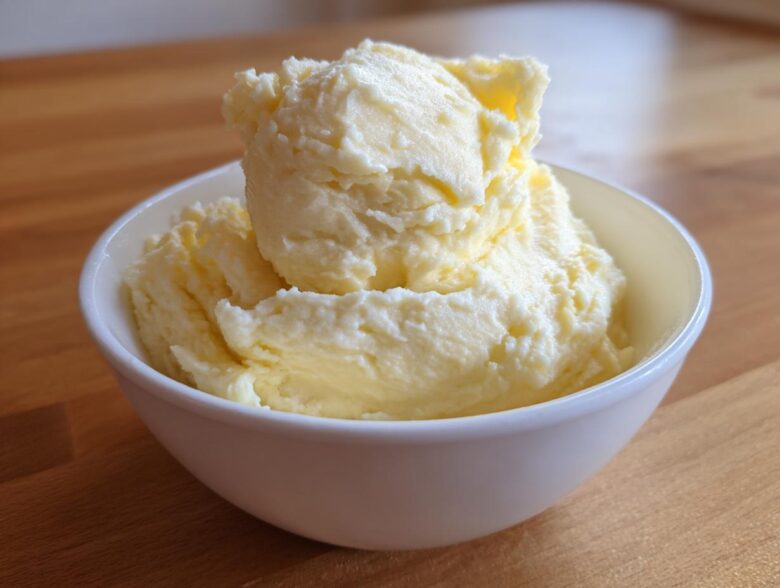
Okay, listen up! If you’ve ever stared sadly at a bowl of lumpy, watery potatoes after dinner, knowing they just weren’t quite right, stop worrying right now. I’m going to let you in on my little secret for making the absolute best, ultra-creamy, and fluffy mashed potatoes you’ve ever had. Seriously, these are the mashed potatoes that make people ask for the recipe at Thanksgiving. We’re talking about that perfect, velvety texture that melts in your mouth. I remember the first time my nephew asked for seconds during Christmas dinner—that’s when I knew I nailed the technique!
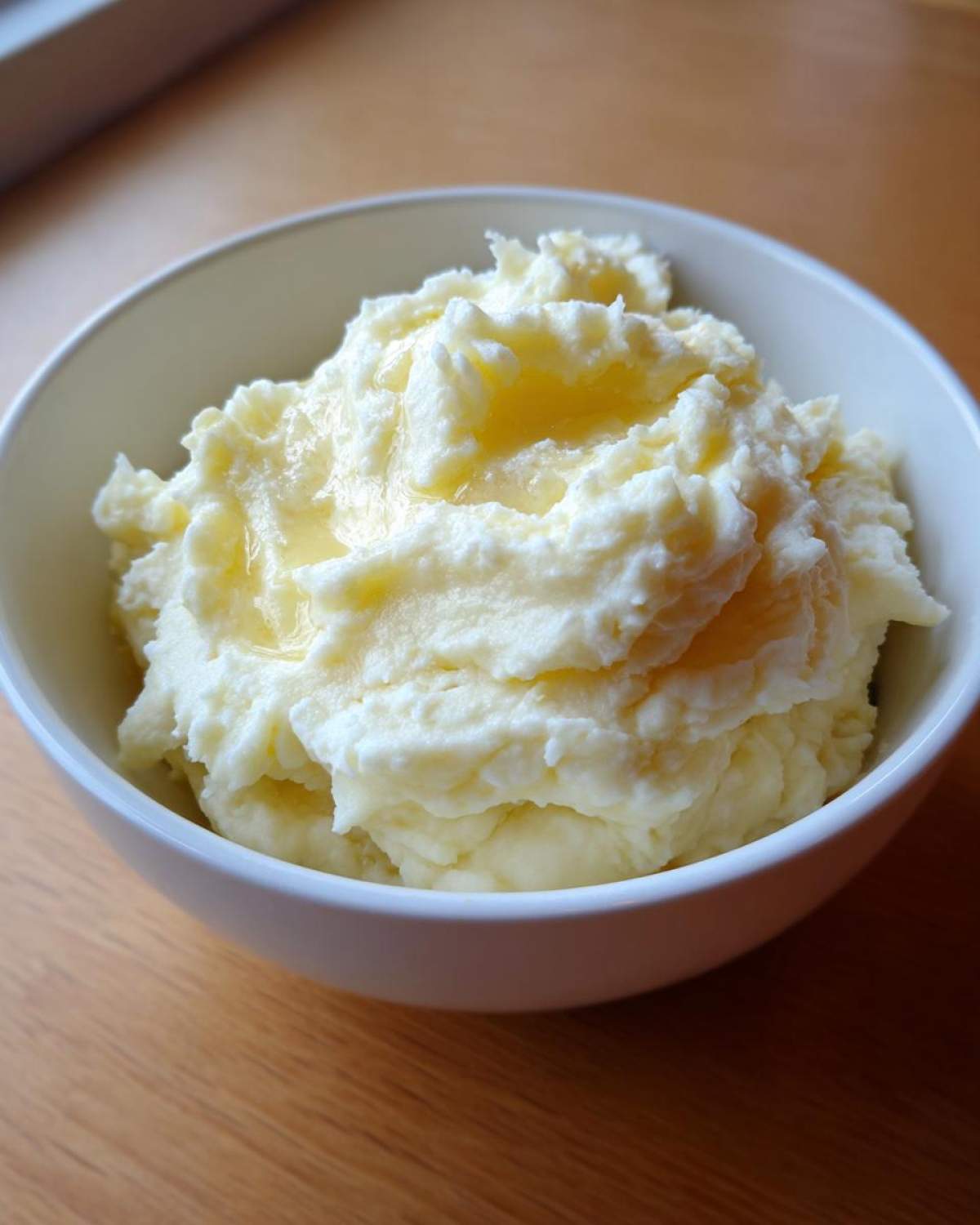
Why This is the Best Mashed Potatoes Recipe for Any Occasion
I’ve tried Russets, I’ve tried everything, but if you want truly creamy mashed potatoes that stand up to a drizzle of rich gravy, you absolutely must use Yukon Gold potatoes. They have just the right amount of natural starch and butterfat to keep things rich without getting gummy. This isn’t some quick, rushed affair; this is how you get those fantastic, restaurant style mashed potatoes that taste like they took hours.
The real secret, though? It’s about technique, not just ingredients. These methods remove the watery element that ruins so many batches before they even hit the table. Trust me, a few extra minutes of prep here creates the ultimate simple dinner side.
Key Factors for Fluffy Mashed Potatoes Texture
Two steps are non-negotiable for achieving that fluffy texture. First, you have to dry out the potatoes after draining. I put them back in the hot pot over low heat for a minute just to steam off the surface moisture. If you don’t do that, you water down all that lovely butter later!
Second, and this is crucial, *stop mixing* once the liquid goes in. Over-mixing develops the starch in a bad way, and that’s how you get that gluey, heavy texture. We want fluffy, not heavy! You’re gently folding the warm milk mixture in until it just disappears. That’s how you keep the air in the mash.
Gathering Ingredients for Rich Mashed Potatoes
Now that we know what we’re doing, let’s talk about what we need! You can’t hide mediocre ingredients in homemade mashed potatoes, so we go for quality here. The core star is three pounds of Yukon Gold potatoes—peeled, of course, and cut into rough quarters so they cook evenly. Don’t skip the peeling step; while some folks leave the skin on for rustic texture, we are aiming for that smooth result today!
My absolute favorite item on this list is the butter. We need a full eight tablespoons of *unsalted* butter, and you need to cut it into little chunks before you start. Why unsalted? Because we control all the salt levels ourselves! Also, make sure you have a cup of whole milk ready, and if you’re feeling extra decadent—which you should be, this is the best recipe!—have about a quarter cup of heavy cream on the side.
These simple ingredients, handled with care, are what turn a basic vegetable into iconic buttery mashed potatoes worthy of any feast.
How to Make Perfect Mashed Potatoes Step-by-Step
Alright, here is where the magic actually happens! This is how we go from humble spuds to that rich, perfect texture. Follow these steps exactly, and you’ll see why people call this the best mashed potatoes recipe out there. It really is all about timing!
Prepping and Cooking the Yukon Gold Mashed Potatoes
First things first: put those peeled and quartered potatoes into your biggest pot. Here’s a pro tip for the best flavor: cover them with *cold* water, not hot, and dump in about a tablespoon of salt. Salting the water seasons the potato from the inside out while it cooks. Bring that to a rolling boil, then drop the heat down so it’s just simmering away until they’re fork-tender—usually about 15 to 20 minutes.
Once they’re soft, drain them *completely* in your colander. But don’t put them away yet! You need to let them sit there for five minutes. This lets that surface steam evaporate. I can’t stress this enough—it’s the secret step to stop watery mashed potatoes!
Warming Dairy and Butter for Creamy Mashed Potatoes
While those potatoes are steaming off, grab a tiny saucepan. Gently warm up your whole milk and toss in all those pieces of butter. You just want the butter melted and the milk hot—remember, we never want to pour cold stuff into hot potatoes, or it cools everything down and makes the whole process sticky. Keep that warm mixture nearby on the lowest heat setting.
The Final Mashing Technique for Smooth Potato Recipe Results
Return those dried potatoes back to the warm, empty pot off the heat. If you have a potato ricer, pull it out! That gives you the most ethereal, fluffy mashed potatoes possible. If you only have a hand masher, go for it, but be gentle! Mash them until they are *mostly* smooth. Then, slowly, I mean slowly, start pouring in that warm butter-milk combo while folding everything together gently with a spatula.
Stop mixing the moment it looks combined! Once you fold in the salt and pepper, you’re done! You’ve made your perfect smooth potato recipe, and it’s ready to eat right now!
Tips for Achieving Restaurant Style Mashed Potatoes
If you want to elevate these from good home cooking to something you’d happily pay twelve dollars for at a nice restaurant, you need to think like a pro for just a minute. The best tip I can give you for that perfect, silky finish is actually mentioned in my notes: use a potato ricer if you possibly can. It forces the potato through tiny holes without incorporating any of that stretchy gluten, which guarantees you a gorgeous smooth potato recipe every single time. Forget the electric mixer; it turns your spuds into glue!
Also, remember that temperature control we talked about when mixing the dairy? Keep that warm! Restaurants know that pouring cold butter and milk into hot potatoes shocks the starch and makes the whole thing heavy. Warm dairy means everything incorporates beautifully and stays light. It’s the difference between fluffy and dense, honestly.
Variations on Classic Mashed Potatoes
Listen, while these creamy mashed potatoes stand perfectly fine on their own, sometimes we need a little extra character, right? My personal obsession lately has been turning these into garlic mashed potatoes! It’s so easy; while the milk and butter are warming up, just toss in three or four cloves of crushed raw garlic, let it simmer for just five minutes, and then strain the milk mixture before pouring it over the potatoes. Don’t skip straining, or you’ll bite into a raw garlic chunk, which is… potent!
If somebody in the family can’t do dairy, don’t panic! You can swap the whole milk for warm, unsweetened soy milk or even plain unsweetened almond milk. For the butter, use a really good quality vegan butter substitute—the flavor payoff is huge. They won’t be quite as rich, but they’ll still be wonderfully fluffy and creamy on their own terms!
Another fun one for the holidays is mixing in a spoonful of sour cream right at the end for an extra tangy kick. It keeps the texture nice and light, too!
Storage and Reheating Instructions for Make Ahead Mashed Potatoes
So, you made too many of these glorious, rich mashed potatoes—lucky you! Or maybe you’re planning ahead for a huge holiday meal. We’ve all been there. The good news is that these are fantastic make ahead mashed potatoes, but you have to treat them right when you reheat them. Store leftovers in an airtight container in the fridge for up to three days. Keep them away from strong smells!
When it comes time to revive them, please, please, please do not just microwave them dry! That’s a texture tragedy waiting to happen. The best way is to put them back into a pot over low heat. Stir in a splash more milk or cream—just a tablespoon or two—until they look creamy again. Gently heat while stirring until warmed through. That little bit of extra liquid brings back all that beautiful moisture and fluffiness!
Serving Suggestions for Your Simple Dinner Side
Honestly, these buttery mashed potatoes are so good they don’t need much dressing up, but they are the perfect foundation for a huge meal! Since they are so rich, they pair beautifully with something roasted. Think about a beautiful pot roast or perhaps crispy oven-roasted chicken. They are the undeniable star of any holiday side dishes spread.
But my favorite way to serve them is simple: pile them high on the plate and drown them in homemade brown gravy. They are the ultimate simple dinner side that satisfies everyone at the table, every single time. Enjoy!
Frequently Asked Questions About Mashed Potatoes
Can I use Russet potatoes instead of Yukon Golds?
You absolutely can, but they behave differently! Russets are much starchier, which means they can get gluey faster if you look at them wrong! If you use Russets, you have to be even more careful not to over-mix them, and you might need a little extra milk or cream to stop them from being too dry. For the smoothest, richest mashed potatoes, I still steer everyone toward Yukon Golds, but Russets are a good second choice if you’re careful!
Why did my mashed potatoes turn out gluey or pasty?
Oh, that sticky situation—I definitely remember a few batches when I was first learning! That happens for two main reasons: either you over-mashed them, which breaks down the starch too much, or you used cold dairy products. Remember how I stressed using warm milk and butter? If you pour cold liquid into hot potatoes, the starches seize up and get all gummy. It’s a tragedy, but easy to avoid next time! If you have more questions about recipe tips, feel free to reach out to us!
Why should I salt the water so heavily when boiling?
This is one of those crucial little tricks for great homemade mashed potatoes! You want the water to taste salty—almost like the sea. We salt the water because we are seasoning the potato from the inside out while it cooks. If you only salt them after they are mashed, you only season the outside, and the inside tastes bland. It’s the key to making sure these are truly flavorful potatoes!
Can I prep these ahead of time?
Yes! These are great make ahead mashed potatoes, as long as you remember that reheating tip—you need that extra splash of warm dairy to bring them back to life and restore that creamy texture. I wouldn’t keep them in the fridge for more than three days, though. Fresh is always best, but planning ahead is smart!
Nutritional Snapshot of These Rich Mashed Potatoes
I know some of you are tracking what goes into your belly, and even though these are pure comfort food, it’s good to know what you’re getting into! Since we load these up with all that gorgeous butter and heavy cream, they definitely fall into the richer side of the spectrum, but hey, that’s what makes them the best mashed potatoes recipe, right?
Based on the ingredients we used for six servings, here are the rough estimates per serving. Remember, these are just guidelines; your real numbers will depend on exactly how much butter sneaks its way into your potatoes!
- Calories: Around 320
- Fat: Roughly 20 grams (And yes, some of that is the good, rich kind from butter!)
- Carbohydrates: About 32 grams
- Protein: A modest 5 grams
- Sodium: About 450mg
Just a little note here, because I have to say it: I pulled these estimates right from my calculations, but if you’re making these for a specific dietary need, you should double-check your own ingredient labels. This is the fun part of cooking, though—you can always swap out some cream for low-fat milk if you need to drop those numbers a bit, but honestly, don’t mess with the magic too much!
PrintThe Best Creamy and Fluffy Mashed Potatoes
Follow this recipe to make rich, smooth, and restaurant-style mashed potatoes using Yukon Gold potatoes and plenty of butter.
- Prep Time: 15 min
- Cook Time: 25 min
- Total Time: 40 min
- Yield: 6 servings
- Category: Side Dish
- Method: Boiling and Mashing
- Cuisine: American
- Diet: Vegetarian
Ingredients
- 3 lbs Yukon Gold potatoes, peeled and quartered
- 1 cup whole milk
- 8 tablespoons unsalted butter, cut into pieces
- 1 teaspoon salt, plus more for boiling water
- 1/2 teaspoon black pepper
- 1/4 cup heavy cream (optional, for extra richness)
Instructions
- Place the peeled and quartered potatoes in a large pot. Cover the potatoes with cold water by about one inch. Add 1 tablespoon of salt to the water.
- Bring the water to a boil over high heat. Reduce heat to maintain a steady simmer and cook for 15 to 20 minutes, or until the potatoes are easily pierced with a fork.
- Drain the potatoes completely in a colander. Let them sit in the colander for 5 minutes to allow excess steam to evaporate. This step helps prevent watery mashed potatoes.
- Return the drained potatoes to the hot, empty pot. Place the pot over low heat for 1 minute, gently shaking the pot to dry the potatoes further.
- While the potatoes dry, warm the milk and butter together in a small saucepan until the butter is melted. Do not boil.
- Remove the pot from the heat. Mash the potatoes using a potato masher or a ricer until mostly smooth. Avoid over-mashing, which can make them gluey.
- Gradually pour the warm milk and butter mixture into the potatoes while gently folding with a spatula until just combined and creamy.
- Stir in the salt, pepper, and heavy cream, if using. Taste and adjust seasoning as needed. Serve immediately.
Notes
- For the smoothest texture, use a potato ricer instead of a standard masher.
- Use starchy potatoes like Russet or Yukon Gold for the best results.
- Keep all dairy additions warm before mixing them into the potatoes.
Nutrition
- Serving Size: 1 serving
- Calories: 320
- Sugar: 3
- Sodium: 450
- Fat: 20
- Saturated Fat: 12
- Unsaturated Fat: 8
- Trans Fat: 0.5
- Carbohydrates: 32
- Fiber: 3
- Protein: 5
- Cholesterol: 55