

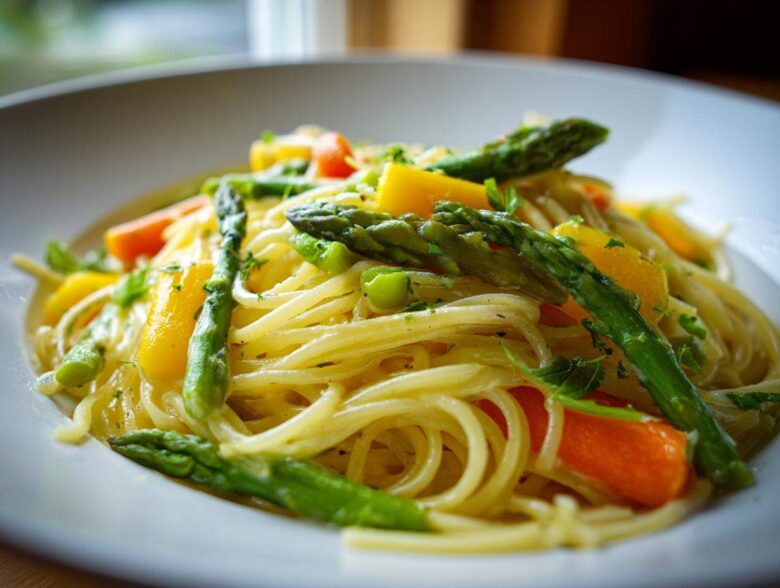
Oh my gosh, if you need a dish that screams ‘springtime sunshine’ on a plate, you’ve just landed in the right spot! When the weather finally warms up and I see the first tender asparagus and peas at the market, my mind immediately goes to fresh pasta. This recipe for **Classic Creamy Lemon Pasta Primavera** is my absolute go-to. It’s so bright, so vibrant, and seriously fast to put together—perfect for those weeknights when you want something gourmet without the fuss.
This isn’t one of those heavy, overwhelming pasta dishes, trust me. It’s light, zesty, and everything tastes like it was just plucked from the garden. This particular **Pasta Primavera** recipe uses a dreamy lemon-butter sauce that clings perfectly to the noodles and vegetables. Honestly, every time I make this, it reminds me of the first garden harvest we had at my childhood home years ago. It’s sunshine in a bowl, and you’re going to love how quickly it comes together! We talk all about making great weeknight meals here.
Why This Creamy Lemon Pasta Primavera Recipe Works So Well
I know you’re looking for a dinner that delivers big flavor without needing hours of simmering, and that’s exactly what this dish brings to the table!
- Incredibly Fresh Flavor: We use bright lemon juice and tons of those gorgeous spring vegetables—asparagus, bright green peas—so every bite tastes clean and seasonal. It’s the perfect Creamy Spring Pasta Recipe.
- Speedy Dinner Solution: Seriously, you’re looking at under 35 minutes total! While the pasta boils, you blanch the veggies and whip up the sauce. It’s magic!
- The Sauce is Light, Not Heavy: We use cream, yes, but the lemon juice and good broth cut through it, leaving you with a sauce that coats beautifully without feeling weighed down.
- Vibrant Color Retention: That ice bath step I insist on? It’s key! It locks in the color of those veggies, making the final dish look professionally plated, even if you’re just serving it straight from the skillet.
- Easy to Customize: Don’t love broccoli? Hate peas? No problem! This method works wonderfully with almost any tender vegetable you have on hand.
Gathering Ingredients for Your Pasta Primavera
Okay, let’s talk setup. You can’t rush greatness, but you can certainly get organized quickly! For this bright and luscious dish, you need all your components ready to go before you even turn on the burner. Keep everything measured out beside your stove. This ensures nothing burns while you’re frantically chopping!
You’ll need 12 ounces of linguine—a long noodle really scoops up this sauce nicely. For the veggies, grab your broccoli florets, 1 cup of asparagus cut into little one-inch pieces, and 1 cup of peas. Don’t forget that one large carrot, which I like to slice super thin—you can see how I slice carrots for other dishes here. Then, we need the good stuff for the sauce: garlic, white wine or broth, heavy cream, all that fresh lemon juice and zest, butter, and of course, that glorious Parmesan!
Essential Equipment for Making Perfect Pasta Primavera
Before you start slicing and dicing, make sure your work station is ready. This meal moves fast once you get going, so having the right pots and tools makes all the difference between a relaxed cook and a stressful dash around the kitchen.
First up, you absolutely need two pots. One is your big pot for boiling that pasta until it’s perfectly al dente. The second one needs to be much smaller, just for blanching those pretty spring veggies.
Next, grab a large, sturdy skillet. This is where the sauce comes together, so make sure it’s wide enough to eventually toss everything—pasta, sauce, and veggies—without making a giant mess over the side. A good colander is essential for draining both the pasta and the blanched vegetables quickly.
And this is my pro tip for keeping the color: you absolutely must have a bowl set up nearby filled with ice water. We plunge those hot veggies straight into that ice bath to shock them! That’s how we keep them crisp and super vibrant.
Step-by-Step Guide: How to Make Pasta Primavera
This is where the magic happens! If you’re organized from the ingredient prep step, this whole process flies by. Remember, timing is everything, especially when dealing with fresh vegetables. We have three main stages here: cooking your base, prepping your vibrant elements, and then bringing that beautiful Pasta Primavera together.
Cooking the Pasta and Preparing the Vegetables
Start by getting your pasta going in well-salted water—we want it perfectly al dente, so give that package timing a good look. The crucial step next is prepping the veggies. Bring a separate little pot of water to a boil. Toss in the broccoli, asparagus, and carrots first; they need about two minutes. Then, right at the end, toss in those sweet peas for just one minute. You need to move fast! Drain them immediately and shock them in that ice bath we talked about. This technique is what keeps them looking crisp and bright, ensuring you get that amazing color in your Fresh Vegetable Pasta Dish. Make sure you reserve a full cup of that starchy pasta water before draining the noodles—trust me on this one!
Building the Light Creamy Lemon Sauce for Pasta Primavera
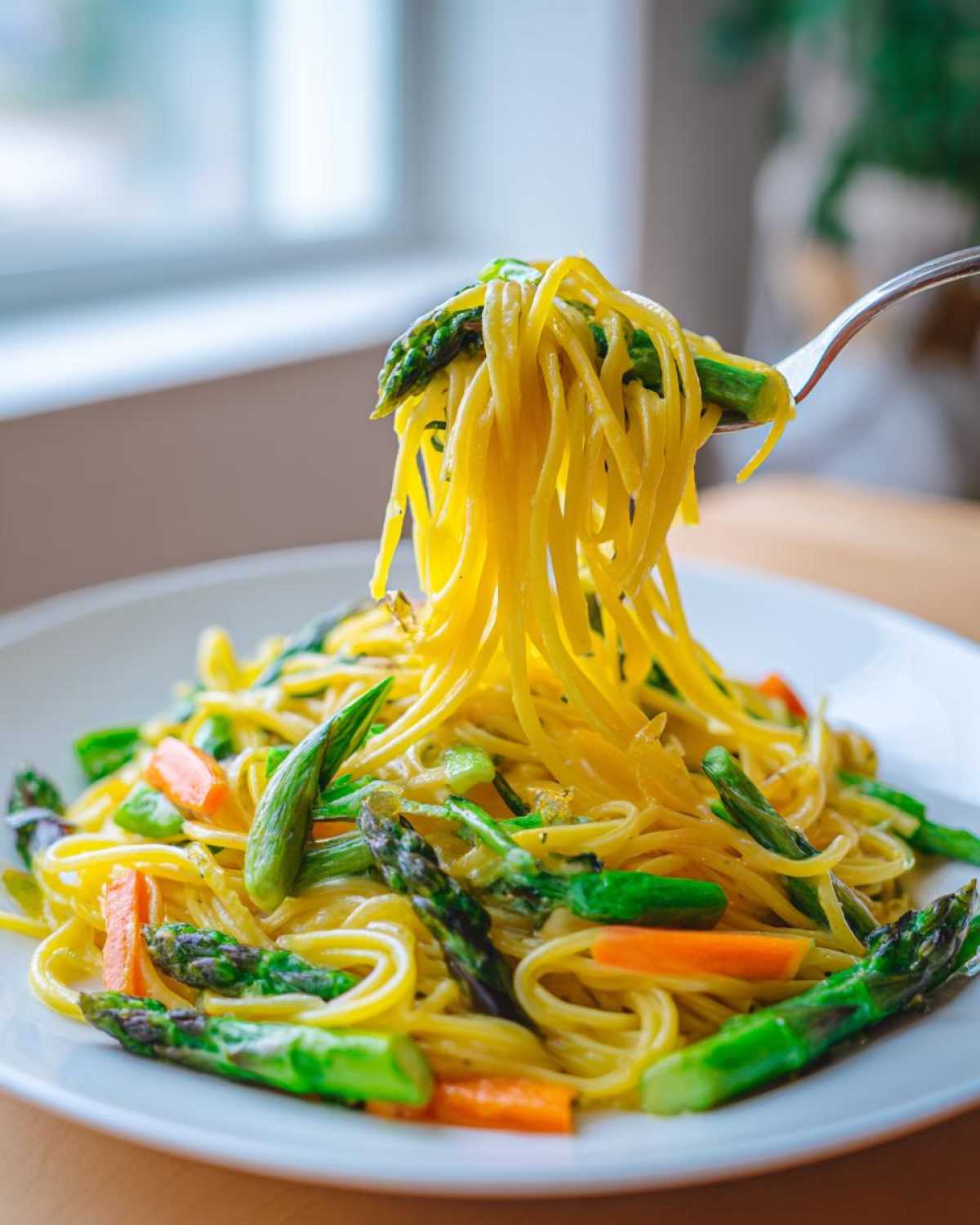
Now, switch over to your big skillet. Heat up the olive oil over medium heat and gently sauté your minced garlic for just one minute until it smells absolutely incredible—don’t let it brown or it gets bitter! Pour in that white wine or broth to deglaze the pan, letting it simmer down a couple of minutes. Next, drop the heat down to low. This is important! Gently whisk in the heavy cream, the zesty lemon juice, and the zest. We are building a Quick Vegetable Pasta Sauce here. Finally, whisk in the butter and Parmesan until everything melts into a smooth, satiny coating. If you want an extra layer of savory richness, I love adding a dash of garlic butter right here—you can see how I make a wonderful simple garlic butter recipe here. Season it up with salt and pepper, but hold off on over-seasoning until everything is combined.
Combining and Finishing Your Pasta Primavera
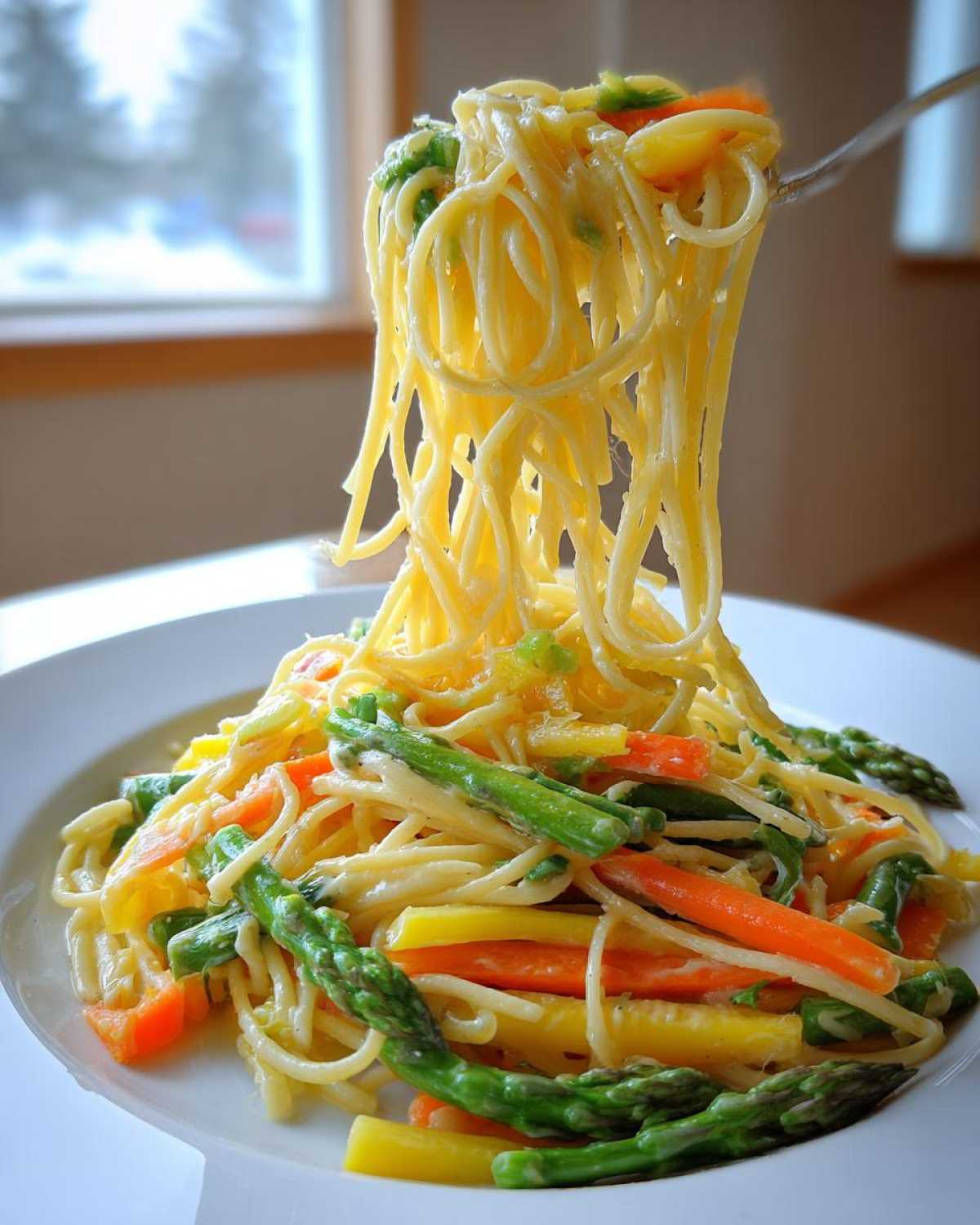
Toss those perfectly blanched veggies right into that creamy lemon mixture; give them a gentle swirl to get coated. Now, add your drained pasta straight into the skillet. If the sauce seems a touch too thick—and it might, especially if you didn’t use much starch in the water—just start stirring in a few tablespoons of that reserved pasta water until the sauce perfectly coats every strand of linguine. That starch works wonders to emulsify things! Toss everything one last time until it looks like a heavenly, vibrant green and yellow dream. Don’t forget a generous sprinkle of fresh parsley and extra Parmesan before you serve the best Pasta Primavera you’ve ever made!
Expert Tips for the Best Pasta Primavera Results
I’ve made this dish more times than I can count, usually when I need something impressive ready in a flash. If you follow these few little secrets, you’ll elevate your Pasta Primavera from good to restaurant-worthy, easily landing you among the creators of the Best Spring Pasta Dishes.
First, let’s talk about your vegetables. For real visual pop, stick to what’s truly in season right now. If it’s April, use those crisp asparagus tips and sweet baby carrots. If you try to force winter root veggies into this dish, the flavor profile just gets muddy. I always buy carrots that look young and tender because they cook down faster without getting mushy.
The second big tip is garlic patience! When you heat that olive oil, the garlic should only cook for about 60 seconds—until you smell it, not until it browns. Burnt garlic tastes bitter, and it will ruin the bright flavor profile of that lemon cream sauce. Keep that heat low when the garlic goes in!
Finally, nail that sauce consistency. If you accidentally skipped reserving the pasta water, don’t panic! Use regular simmering water, but just add it a tablespoon at a time. The starch in that pasta water is what helps the cream and butter bind to the noodles and the Parmesan, creating that luxurious texture instead of just soup at the bottom of the bowl. If you want to get really good at starch management, try my tutorial on fluffing rice—it uses similar principles of gentle steam and stirring!
Variations on the Classic Pasta Primavera
Look, I love this creamy version, I truly do, but sometimes you’re just not in the mood for cream, or maybe you want something even lighter for a hot summer evening. That’s the beauty of a simple pasta base—it begs for experimentation! Don’t feel tied down to just the recipe card; this dish is all about using what looks best.
If you are looking for some fantastic Seasonal Vegetable Pasta Ideas that break away from the dairy, you have a couple of fantastic options. You can totally transform this into what some people call an Aglio e Olio style of Primavera. Skip the cream, skip most of the butter, and instead, boost your olive oil quantity slightly when you sauté that garlic. Add a heavy splash of that white wine or broth, and use double the lemon juice. That creates a gorgeous, vibrant emulsion that just tastes clean and zesty!
Now, what about protein? If you need this to feel like a more substantial meal, it handles additions beautifully. My favorite thing to do is grill up some chicken breast on the side. Once it’s cooked, you just slice it thinly and toss it in with the veggies right at the end. Shrimp work wonderfully too! If you decide to go that route, I’d cook the shrimp separately in that same skillet before you start the sauce, pull them out, and add them back in at the very end, just to warm them through.
If chicken isn’t your thing, check out my recipe for a hearty way to handle vegetables in soups—that same principle of layering flavor applies here. You could even toss in some crumbled Italian sausage if you want a real burst of savory flavor instead of poultry!
Storing and Reheating Your Leftover Pasta Primavera
This is such a wonderfully versatile dish that unless you’re feeding a crowd, you’ll probably end up with leftovers—and that’s okay! The good news is that this vegetable pasta holds up better than many cream sauces do.
You can safely store any leftovers in an airtight container in the fridge for up to three days. Try not to keep it longer than that, especially since we used such fresh spring vegetables, which are more delicate than canned ones. When you separate the container, try to keep the pasta relatively level, otherwise, that creamy sauce might pool weirdly on one side.
When it’s time to eat it again, please, skip the microwave if you can manage it! Microwaving tends to make pasta gummy and can cause the cream sauce to separate into an oily mess. The best way to refresh this dish is back on the stovetop over medium-low heat. You absolutely must add liquid. Grab a splash of milk, cream, or even just regular water and toss it in continuously while it warms up. That little bit of liquid will loosen the sauce and bring back that gorgeous, creamy coating you loved the first time around!
Frequently Asked Questions About Pasta Primavera
I get so many questions about this recipe, especially regarding substitutions because everyone’s local produce looks a little different depending on the week! Don’t worry if you need to tweak things a bit; that’s the nature of using beautiful, **Seasonal Vegetable Pasta Ideas**.
Can I make this Pasta Primavera vegan?
Yes, absolutely! It’s surprisingly easy to veganize this dish while keeping that bright, fresh taste. The main swaps are in the sauce. For the heavy cream, use a plant-based heavy whipping cream—oat or soy work really well because they are higher in fat and emulsify nicely. Swap the butter for a good quality vegan butter stick. And for the Parmesan? My favorite trick is using nutritional yeast, which gives that cheesy, umami flavor without the dairy. Use about 1/3 cup of nutritional yeast instead of the Parmesan, and toss it in right at the end with the lemon juice.
What is the best pasta shape for Pasta Primavera?
I always recommend long noodles for this style of dish, which is why I use linguine or fettuccine in the main recipe. The way the long strands get coated in the creamy lemon sauce, holding the little ribbons of melted cheese, is just heavenly. However, if you prefer shorter pasta, penne or rotini are fantastic because they catch those perfectly blanched peas and diced carrots in their tubes or spirals. Whichever you choose, make sure you cook it just shy of done, because it finishes cooking when you toss it in that hot sauce for your **Pasta Primavera**.
Can I prepare the vegetables ahead of time?
You totally can, and honestly, sometimes I do! Since this is an **Easy Weeknight Pasta Meal**, prepping the veggies the night before saves crucial minutes when you get home from work. You can blanch the broccoli, carrots, and asparagus ahead of time, run them through that ice bath, and keep them stored in an airtight container in the fridge. Just drain them really well before you add them to the skillet to warm up. The only thing I insist you do right before cooking is mince your garlic, because that flavor dulls fast once it’s chopped!
How do I keep my lemon sauce from splitting or curdling?
This is a common worry with dairy sauces! The key is temperature control, especially when introducing acid (the lemon juice). You need to reduce the heat to low—almost the lowest setting—right before you add the lemon juice and cream. The wine/broth should be warm, but never boiling, when the cream goes in. If you add the acid while the mixture is too hot, the proteins seize up, and you get that grainy look. Keep stirring gently, and if you need extra insurance, always use a little bit of that reserved starchy pasta water to help emulsify everything before the cheese goes in. Also, if you want to check out our safety guidelines, you can look at the site policies here.
Serving Suggestions for Your Vibrant Vegetable Pasta
Now that you have this gorgeous, bright dish ready, you need the perfect supporting cast! For mopping up every last drop of that amazing lemon-butter sauce, you absolutely need some crusty bread on the table. Dip that into my quick olive oil bread dip, and you’re golden! To keep things light, I always serve a simple green salad tossed with a light vinaigrette. This keeps the focus right where it should be: on your delicious, Vibrant Vegetable Pasta!
PrintClassic Creamy Lemon Pasta Primavera
A fresh and bright pasta dish featuring seasonal spring vegetables tossed in a light, creamy lemon-butter sauce.
- Prep Time: 15 min
- Cook Time: 20 min
- Total Time: 35 min
- Yield: 4 servings
- Category: Dinner
- Method: Stovetop
- Cuisine: Italian-American
- Diet: Vegetarian
Ingredients
- 12 oz linguine or fettuccine pasta
- 1 cup broccoli florets
- 1 cup trimmed asparagus spears, cut into 1-inch pieces
- 1 cup shelled fresh or frozen peas
- 1 large carrot, thinly sliced or diced
- 2 tablespoons olive oil
- 2 cloves garlic, minced
- 1/2 cup dry white wine or vegetable broth
- 1/2 cup heavy cream
- 1/4 cup fresh lemon juice
- Zest of 1 lemon
- 1/2 cup grated Parmesan cheese, plus more for serving
- 2 tablespoons unsalted butter
- Salt and black pepper to taste
- Fresh parsley, chopped, for garnish
Instructions
- Cook the pasta according to package directions until al dente. Reserve 1 cup of the pasta cooking water before draining.
- While the pasta cooks, prepare the vegetables. Bring a small pot of salted water to a boil. Blanch the broccoli, asparagus, and carrots for 2 minutes. Add the peas during the last minute. Immediately drain the vegetables and plunge them into an ice bath to stop the cooking and retain color. Drain well.
- In a large skillet, heat the olive oil over medium heat. Add the minced garlic and cook for 1 minute until fragrant; do not let it brown.
- Pour in the white wine or broth and let it simmer for 2 minutes, scraping up any browned bits.
- Reduce the heat to low. Stir in the heavy cream, lemon juice, and lemon zest. Heat gently until the sauce is warm, about 2 minutes.
- Whisk in the butter and Parmesan cheese until the sauce is smooth. Season with salt and pepper.
- Add the drained blanched vegetables to the sauce and toss to coat.
- Add the drained pasta to the skillet. Toss everything together. If the sauce seems too thick, add the reserved pasta water, a few tablespoons at a time, until the sauce coats the pasta nicely.
- Serve immediately, garnished with fresh parsley and extra Parmesan cheese.
Notes
- For a richer sauce, you can substitute half-and-half for the heavy cream.
- If you wish to add protein, cook 1 pound of grilled chicken breast or shrimp separately and toss it in with the vegetables in step 6.
- Use whatever seasonal spring vegetables you prefer, such as thinly sliced zucchini or snap peas.
Nutrition
- Serving Size: 1 serving
- Calories: 650
- Sugar: 7
- Sodium: 450
- Fat: 30
- Saturated Fat: 16
- Unsaturated Fat: 14
- Trans Fat: 1
- Carbohydrates: 75
- Fiber: 6
- Protein: 22
- Cholesterol: 75