

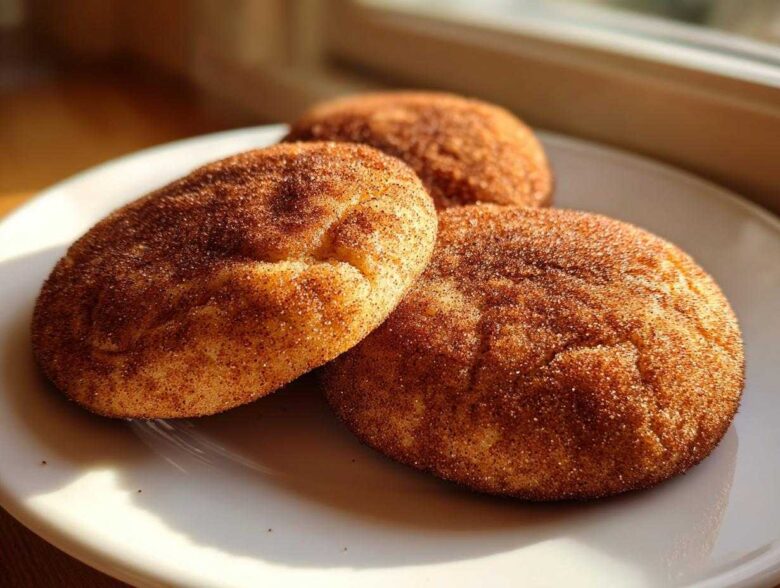
Oh, you know that smell, right? That warm, spicy cloud that instantly makes you feel like you’re wrapped in your favorite blanket? That’s the magic of a truly great cinnamon-sugar coating, and it’s the first thing that hits you when these glorious little clouds come out of the oven. Forget those brittle, dry cookies you sometimes find; I’m talking about the ultimate, melt-in-your-mouth, soft and chewy snickerdoodle.
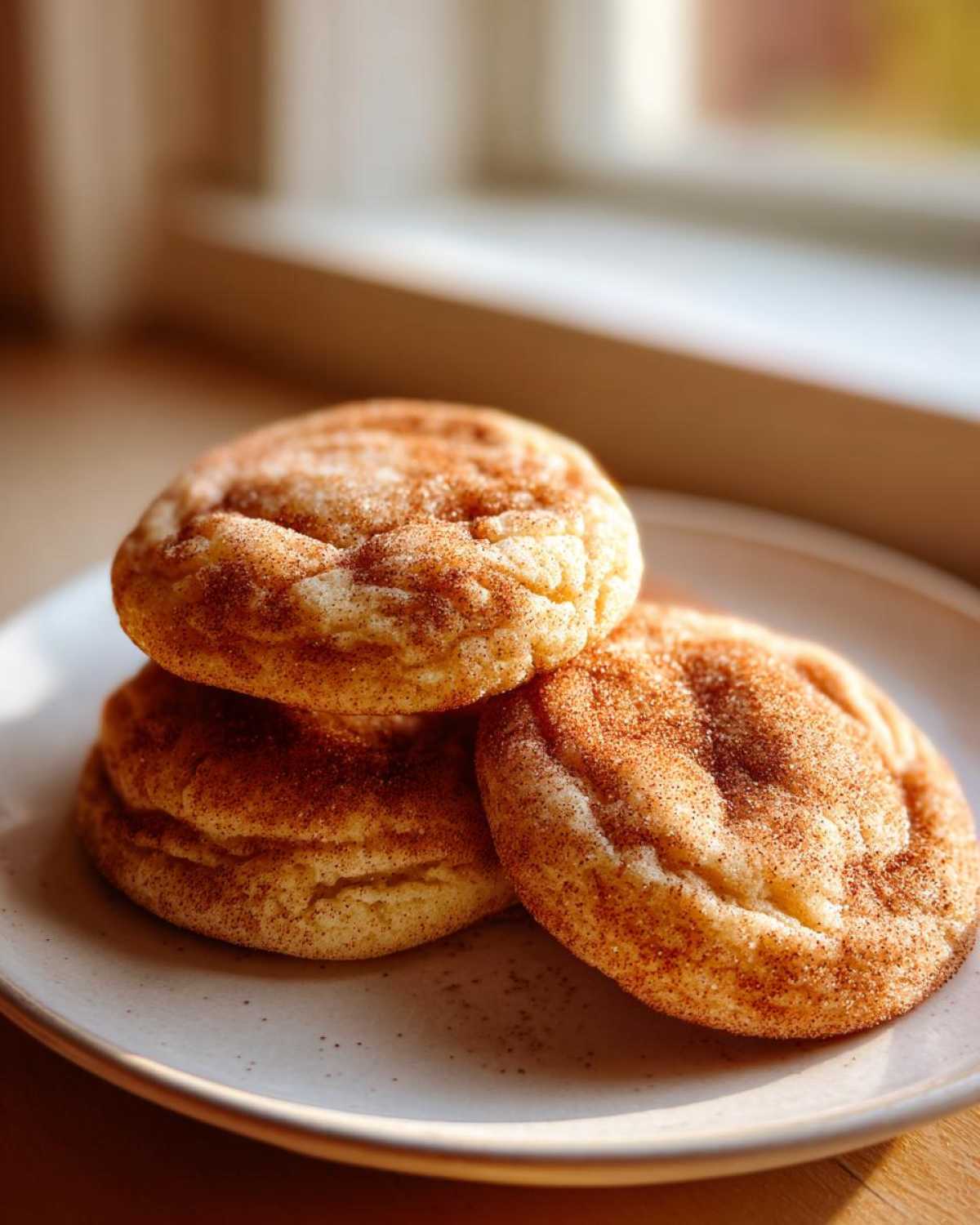
This isn’t just *a* recipe; if I’m being honest, this is the only one I use. It reliably gives me that beautiful, slightly crackled top and the perfect buttery depth in every single bite. I spent years hunting for the recipe that stayed soft past day one, and I found it tucked away in an old community cookbook. Trust me, once you try this homemade batch, you’ll understand why it’s my family’s absolute go-to for everything from spontaneous Tuesday night desserts to full-blown holiday cookie platters. We’re going to nail that classic tang and texture together!
If you want to know more about the silly baker behind all this cookie magic, you can sneak a peek over at my About Page!
Why This is the Best Classic Snickerdoodles Recipe You Will Make
What sets these apart from every other cinnamon cookie out there? Honestly, it’s the tang! The signature sour note you taste in the best classic snickerdoodles comes specifically from the cream of tartar. Don’t skip it, seriously! That little bit of acid reacts perfectly with the baking powder to give us that classic, slightly sharp finish that balances all the sweetness.
And let’s talk about the flavor profile—these are truly buttery snickerdoodles recipe perfection. We use softened butter, but it has to be mixed *just* right with the sugar to incorporate air. That aeration is what keeps them from spreading into thin, crisp lace cookies.
Achieving Soft Snickerdoodles Texture
If you want that soft, almost pillowy center, the secret is in the creaming step and not overbaking, plain and simple. When you cream the butter and sugar correctly, you create tiny air pockets. These pockets give the cookie structure when it bakes, meaning it sets around the edges before the center even finishes. That slight underbake is what guarantees you get that gooey center every single time. Don’t worry about them looking slightly raw when they come out; they firm up perfectly on the hot pan!
Gathering Ingredients for Your Homemade Snickerdoodle Recipe
This is where we nail down the trust factor! When you’re looking for that perfect homemade snickerdoodle recipe, precision matters so much, especially with the star players that give these cookies their special flavor. It’s not enough to say ‘butter’ or ‘sugar’; we need exact measurements and preparation!
First up, make sure your **1 cup unsalted butter** is properly softened—not melted, just soft enough to smoosh easily with a finger. We use **1 1/2 cups granulated sugar, divided**; that division is key for both the dough and the coating, so pay attention to where that sugar goes!
You need **2 large eggs**, and keep your little ones handy for the vanilla and those essential dry ingredients: **2 3/4 cups all-purpose flour**, **2 teaspoons baking powder**, and just a touch of **1/2 teaspoon salt**. Finally, for that warm, comforting flavor, we need **3 tablespoons ground cinnamon** for the coating.
Ingredient Notes and Substitutions for Your Snickerdoodle
Let’s address the superstar: cream of tartar. You absolutely need **2 teaspoons cream of tartar** in the dough, folks. It’s what gives the cookie that distinctive, almost lemony tang, and it also helps keep the cookie structure high and soft. If you try to substitute it with baking soda, you’ll end up flattening your cookies and losing that signature flavor we’re chasing.
Also, please try to use fresh cream of tartar when you can. As with spices, it loses its oomph over time! If yours has been hiding in the cupboard since the 90s, you might want to grab a new jar. Freshness really makes the difference in these quick, from scratch cookies.
Step-by-Step Instructions for Perfect Chewy Snickerdoodle Cookies
Alright, this is where the magic happens, and I promise, it’s so straightforward that these are one of the best cookie recipes for beginners! The whole process moves fast, so make sure your workstation is ready before you start creaming that butter. First thing’s first: get that oven fired up to 375 degrees F. I line my baking sheets with parchment paper—trust me, nothing sticks, and cleanup is a dream!
Now, back to the technique. You need your butter softened, remember? We’re aiming for that perfect, slightly yielding texture. Pop the butter and one cup of the granulated sugar into your bowl. You must cream these two together until they are genuinely light and fluffy. I mean pale yellow, almost white, and airy! That means you’re trapping lovely little air bubbles in there, which is the start of those beautiful, chewy snickerdoodle cookies that don’t spread into pancakes.
Next, beat in your two eggs, one at a time, making sure each one is fully incorporated before adding the next. Splash in that vanilla and, crucially, the cream of tartar. Once those wet ingredients are unified, grab your separate bowl where you whisked the flour, baking powder, and salt. Add the dry stuff to the wet stuff gradually. The absolute, non-negotiable rule here? Do not, under any circumstances, overmix once the flour is in! Mix only until you see the last streak of flour disappear. Over-developing that gluten gives you tough cookies, and we want soft ones!
Now for my little trick if you like things extra thick! If you have the time, cover that dough and tuck it into the fridge for about 30 minutes. Chilling keeps the cookies from spreading too much in the oven, helping us achieve those gloriously **thick and fluffy cookies**.
Creating the Cinnamon Sugar Coating for Your Snickerdoodle
While the dough chills (or while you’re waiting if you skip the chill!), it’s coating time! Take that remaining half-cup of sugar and mix it vigorously with your three tablespoons of cinnamon in a small, shallow bowl. You want this mixture to be homogenous—no big clumps of sugar or pockets of pure cinnamon.
Once the rolling time comes, scoop out dough balls about the size of a walnut or one inch. Don’t skimp here; use a cookie scoop if you have one for consistency. Then, and this is important for that rustic look, roll the ball all over in the cinnamon sugar mix. You want it completely covered! You should barely see any dough peeking through. Once coated, place them a good two inches apart on those parchment-lined sheets, because they will puff up beautifully.
Baking Tips for Thick and Fluffy Cookies
Bake these at 375°F for about 9 to 11 minutes. I watch mine like a hawk—you are looking for the edges to just be setting up and turning a tiny bit golden, but the center should still look slightly puffy and soft, maybe even a little underdone. That’s the secret for the non-cakey, melt-in-your-mouth final texture!
When they come out, resist the urge to touch them! They are fragile right out of the high heat. Let them sit right there on the hot baking sheet for a full five minutes. This resting period allows the residual heat to finish setting up the centers without drying them out. After five minutes, *then* you can carefully transfer them over to a wire rack to finish cooling completely. This whole process guarantees you get those **gooey center cookies** every time!
Tips for Success When Making Traditional Snickerdoodles
So, you’ve mixed the dough, maybe even chilled it a bit, and now you want to ensure these traditional snickerdoodles turn out exactly how they should. It’s all about avoiding those common little mistakes that sink a batch!
First tip, and I can’t stress this enough: your eggs must be at room temperature. Cold eggs shock the creamed butter mixture when you add them, causing it to break or curdle, which leads to flat cookies. Just pull them out with your butter!
Second, please, please, please do not flatten your dough balls before rolling them in the cinnamon sugar. They look plump and a little too big, but that’s good! They are designed to sink and spread naturally during baking, giving you that nice height. If you squish them down, you lose the pillowy lift.
Finally, use a light-colored baking sheet if possible, or stick to parchment paper on whatever you use. Dark metal sheets absorb too much heat too fast, and you risk burning the bottoms before the middle is perfectly soft. If you’re having trouble getting set up just right, feel free to reach out to me—I love troubleshooting baking disasters!
Storage and Reheating Instructions for Your Snickerdoodle Batch
The best part about these cookies is that they honestly stay wonderfully soft for days! If you have leftovers—which is doubtful, let’s be real—keep them in a simple airtight container right on the counter. No need to refrigerate these guys! They stay perfect at room temperature for about four or five days.
If you happen to have a day where humidity made them feel a *tiny* bit less soft, I have a quick fix. Pop one or two cookies on a paper towel and microwave them for just 8 to 10 seconds. It warms up that butter right inside, making them gooey again. You can also briefly heat them in a toaster oven if you prefer them slightly crisp on the edges!
Frequently Asked Questions About Making Snickerdoodle
Why are my snickerdoodles flat instead of thick and fluffy?
Oh, that’s a super common baking mishap, but usually an easy fix! If your cookies spread too much and end up flat, nine times out of ten it’s one of three things. First, your butter was too warm or melted before you started creaming it. Second, you forgot to chill the dough—a quick 30 minutes in the fridge really helps the structure hold up while baking. And third, did you accidentally flatten the dough balls after rolling them in the cinnamon sugar? Don’t flatten them; let the oven do the work! If you want to read up on our general privacy rules while you wait for your next batch to chill, you can review our Privacy Policy here.
What exactly causes that signature tang in traditional snickerdoodles?
The flavor profile of traditional snickerdoodles is defined by that lovely, subtle tang. That sour note isn’t lemon juice or vinegar; it comes 100% from using cream of tartar. Cream of tartar is an acidic stabilizer, and when it interacts with the baking soda/powder in the recipe, it creates that specific, slightly sharp flavor that cuts through the sweetness of the sugar coating. It’s a chemical reaction that defines the cookie!
Can I skip the cream of tartar in a snickerdoodle recipe if I don’t have any?
I really, really advise against it if you want the classic experience. If you absolutely must skip it, you can replace it with an equal amount of baking powder, but you need to accept that you are making a cinnamon-sugar sugar cookie, not a true snickerdoodle. You will lose that distinctive chewiness and that signature tanginess. If you have baking soda, you could try replacing the cream of tartar with 1/2 tsp of baking soda plus 1/2 tsp of cream of tartar substitute (like lemon juice or white vinegar), but honestly, just grab some cream of tartar for next time. It’s worth it!
How do I get that perfect, thick crackle on top of my cookies?
The crackle comes from two main factors! First, the higher ratio of sugar in the outside coating helps create that crusty shell as it bakes. Second, the leavening action of the cream of tartar creates a bit more lift, so the cookie spreads upward and then cracks perfectly as the center sets. Don’t overbake! Look for the edges setting; the centers should still look slightly pale and soft when you pull them out so they can sink into that beautiful crinkle while cooling. This is key for the ultimate texture!
Estimated Nutritional Data for One Snickerdoodle
Look, I bake with love, not spreadsheets, but I know you folks want the basic rundown! I pulled these numbers from a standard nutritional calculator based on the traditional ingredients in this recipe. Remember, this is just a rough guide, especially since my butter brand might be different from yours!
For what we estimate to be one single, glorious cookie, here’s the ballpark idea:
- Calories: 150
- Fat: 8g
- Carbohydrates: 19g
- Protein: 2g
Keep in mind that these figures are estimates based on the exact measurements called for. If you add extra cinnamon sugar to the outside (which, let’s be honest, I totally do sometimes!), those numbers will shift a little. For the full legal scoop, you can check out my official Disclaimer page, but for us home bakers, this is a sweet treat we can feel good about!
Share Your Experience Baking This Snickerdoodle Recipe
Now that you’ve got that heavenly aroma filling your own kitchen, I desperately want to hear about it! Did they turn out perfectly soft? Did you manage to stop yourself from eating the entire batch the second they came off the cooling rack? I truly hope this recipe has become a family favorite in your home, just like it is for mine.
Please jump down to the comments below and leave a rating, even if it’s just a quick five stars! Tell me how it went. Did you manage to hold back on chilling the dough, or did you use that trick for extra height? I love seeing pictures of your beautiful, crinkled cookies, too—feel free to share them if you’re posting on social media and tag me so I can squeal with delight over your success!
We keep all our baking site rules nice and simple over on the Cookie Policy page, but for now, just know that sharing your feedback is the best way you can support this little corner of the internet. Happy baking, friends!
PrintClassic Soft and Chewy Snickerdoodles

This recipe makes soft, buttery snickerdoodle cookies with a distinct crackle and a thick cinnamon-sugar coating.
- Prep Time: 15 min
- Cook Time: 11 min
- Total Time: 26 min
- Yield: About 3 dozen cookies
- Category: Dessert
- Method: Baking
- Cuisine: American
- Diet: Vegetarian
Ingredients
- 1 cup unsalted butter, softened
- 1 1/2 cups granulated sugar, divided
- 2 large eggs
- 2 teaspoons cream of tartar
- 1 teaspoon vanilla extract
- 2 3/4 cups all-purpose flour
- 2 teaspoons baking powder
- 1/2 teaspoon salt
- 3 tablespoons ground cinnamon
Instructions
- Preheat your oven to 375 degrees F. Line baking sheets with parchment paper.
- In a large bowl, cream together the softened butter and 1 cup of the granulated sugar until light and fluffy.
- Beat in the eggs one at a time. Mix in the cream of tartar and vanilla extract.
- In a separate bowl, whisk together the flour, baking powder, and salt. Gradually add the dry ingredients to the wet ingredients, mixing until just combined. Do not overmix.
- In a small, shallow bowl, mix the remaining 1/2 cup of granulated sugar with the ground cinnamon.
- Roll the dough into 1-inch balls. Roll each ball thoroughly in the cinnamon-sugar mixture until fully coated.
- Place the coated dough balls about 2 inches apart on the prepared baking sheets.
- Bake for 9 to 11 minutes, or until the edges are set but the centers still look slightly soft.
- Let the cookies cool on the baking sheet for 5 minutes before transferring them to a wire rack to cool completely.
Notes
- For thicker cookies, chill the dough for 30 minutes before rolling and baking.
- Use fresh cream of tartar for the best classic snickerdoodle tang.
- Do not flatten the dough balls before baking; they will spread naturally.
Nutrition
- Serving Size: 1 cookie
- Calories: 150
- Sugar: 14g
- Sodium: 95mg
- Fat: 8g
- Saturated Fat: 5g
- Unsaturated Fat: 3g
- Trans Fat: 0g
- Carbohydrates: 19g
- Fiber: 0g
- Protein: 2g
- Cholesterol: 30mg