


Oh my gosh, when that first crisp chill hits the air, I can only think about one thing: soup! And not just any soup, I’m talking about the absolute best butternut squash soup you will ever taste. I’ve been tweaking my methods for years, using every autumn harvest, but roasting the squash first is the game-changer. It concentrates all that beautiful, sweet earthiness you just don’t get from boiling it.
The combination of fresh sage and a little hint of cinnamon elevates this from a standard winter warmer to something truly special. I’m telling you, after making countless batches of butternut squash soup for family gatherings, this specific formula, which relies heavily on that beautiful roasting process, is the one you need in your life. It’s so comforting and rich; you won’t believe how simple it ultimately is to pull together. If you loved my creamy celery soup, wait until you try this velvety classic!
Why This Creamy Roasted Butternut Squash Soup Recipe Works
I know there are quick weeknight recipes out there, but trust me, taking the extra time to roast the squash makes all the difference in transforming this into the best butternut squash soup. It’s worth every minute!
- Flavor Depth: Roasting caramelizes the natural sugars in the squash, giving you that deep, slightly nutty taste we all crave in a good autumn soup.
- Velvety Texture: After roasting, the flesh practically melts into the broth, which helps us easily achieve that super creamy butternut squash soup texture we want.
- Ultimate Comfort: This is pure comfort food in a bowl—spicy, warm, and so satisfying on a chilly evening. It’s a total winter warmer recipe classic!
Get your oven ready, because this method is truly superior. If you’re looking for other amazing weeknight meals, you should check out my creamy chicken and rice casserole too!
Gathering Ingredients for Your Butternut Squash Soup
Alright, let’s talk about what goes into this incredible bowl of creamy butternut squash soup. Getting your ingredients together first is key, especially since roasting does most of the heavy lifting later! Precision matters here because we’re balancing sweet carrots, warm spices, and creamy richness. This simple list is what creates that famous depth you won’t forget.
Before we dive into the full list, make sure you pick a great squash. Look for a butternut squash that feels heavy for its size and has a nice, deep tan color—that usually means it’s packed with flavor for your butternut squash soup.
Ingredient Clarity and Dairy-Free Substitutions for Butternut Squash Soup
You’ll need one big guy—aim for about 3 lbs of butternut squash. After that, we’re grabbing essentials like onion, garlic, vegetable broth, and the spices that make it cozy: cinnamon and ginger!
Now for the creaminess! The recipe calls for 1/2 cup of heavy cream, which gives it that luxurious mouthfeel. But here’s a total secret weapon: if you need to make this dairy-free—or even vegan—you absolutely must use full-fat coconut milk. Trust me on this one! The fat content in the coconut milk mimics the richness of cream perfectly without adding any clashing flavors to your spiced butternut squash. It blends right in and nobody will ever guess the difference. If you’re planning other dips for your fall spread, don’t forget to check out my caramelized onion dip recipe!
Step-by-Step Instructions for Roasted Butternut Squash Soup
This is where the magic happens, folks! Making a truly fantastic roasted butternut squash soup comes down to timing these core steps just right. Don’t rush the roasting; it’s your secret weapon. Once things are roasted, it comes together so fast. Remember to be super careful when blending hot liquids—safety first, always!
Roasting the Squash for the Best Butternut Squash Soup Flavor
First things first: we need those deeply flavored squash insides. Crank your oven up to 400 degrees F. Slice that big beauty in half lengthwise—cut side up or down? Down! Place it cut-side down on a baking sheet. Drizzle just one tablespoon of your olive oil over the cut surface before it goes in. You’re roasting this until it’s absolutely falling apart and super tender, usually 40 to 50 minutes. When it’s done, let it cool just enough so you can handle it, and then scoop that gorgeous flesh right out of the skin. This roasting step is what makes the final butternut squash soup taste gourmet, not watery.
If you’re trying other roasting projects, I highly recommend checking out my recipe for honey garlic roasted carrots sometime—it shares that same flavor-building philosophy!
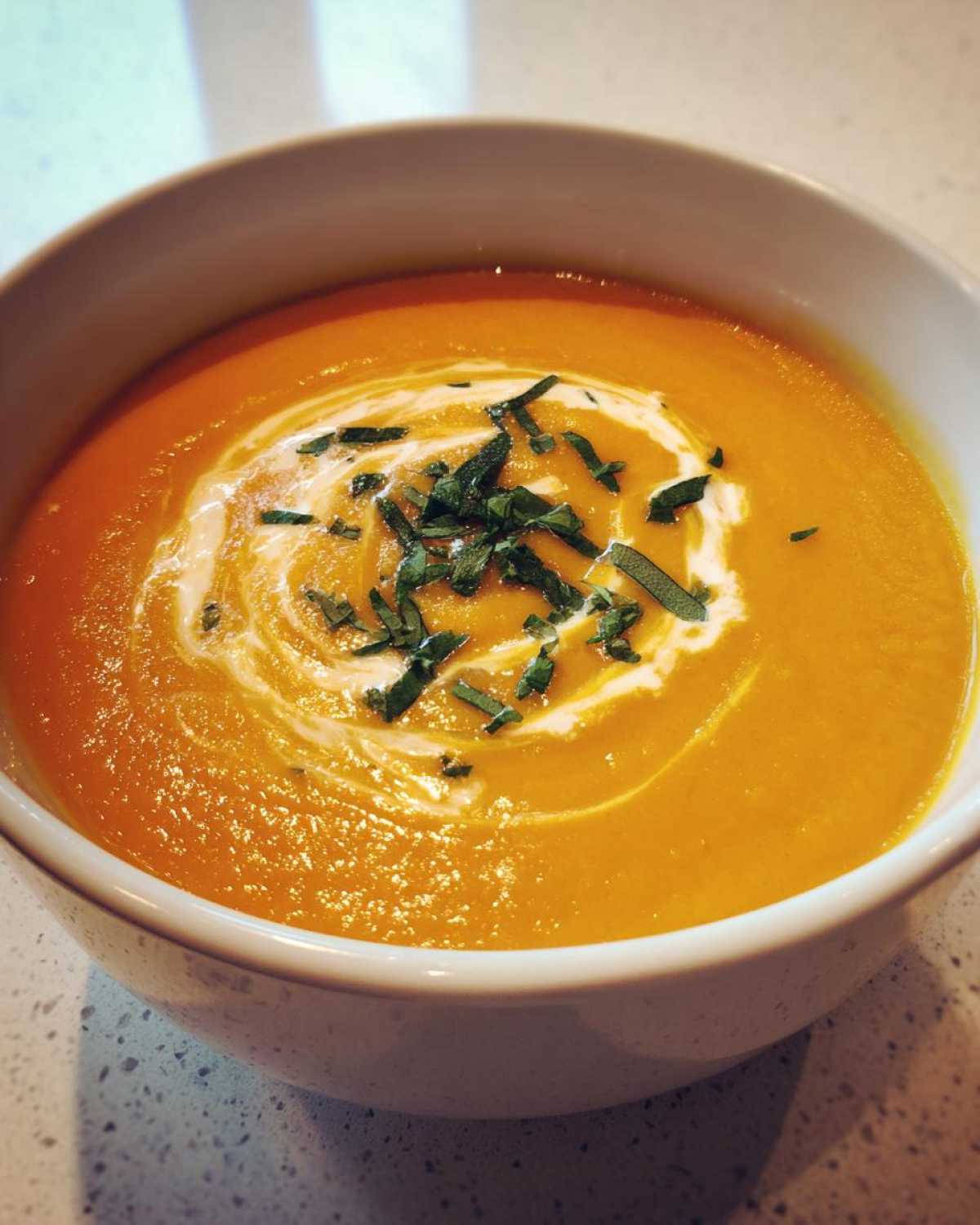
Sautéing Aromatics and Combining for Creamy Butternut Squash Soup
While that squash is busy getting delicious, heat the remaining tablespoon of oil in your big pot over medium heat. Toss in your chopped onion and let it soften nicely—that takes about 5 to 7 minutes. Don’t let it brown much, we just want it sweet. Next, add your garlic, cinnamon, and ginger. You only need to stir those around for about one minute until you can really smell those warming spices waking up! That’s the aroma signaling you’re on the right track for a perfect spiced butternut squash flavor.
When the squash is ready, scoop it right into the pot. Pour in all four cups of vegetable broth and bring the whole thing up to a gentle simmer. Just let it hang out there for a minute to get acquainted.
Achieving the Velvety Texture in Your Butternut Squash Soup
Time to make it smooth! Take the pot off the heat before you blend. If you have an immersion blender, plunge it right in and blend until it looks like silk. If you’re using a regular blender, you *must* transfer the hot mixture in batches. Never fill the blender more than halfway, and take the little cap out of the lid and cover the hole with a kitchen towel—steam needs to escape or you’ll have soup spray everywhere! Blend each batch until it’s completely velvety and pour it back into the pot. This is honestly the key step to that rich, creamy butternut squash soup everyone raves about. Speaking of velvety textures, you’ll love the outcome if you start with truly smooth ingredients, just like in my celery soup guide!

Once smooth, stir in your sage, salt, pepper, and your cream choice. Just warm it through gently; we don’t want a boil once that cream is in there!
Tips for Success with Roasted Butternut Squash Soup
Even though this is an easy squash soup recipe, there are just a couple of little chef tricks I picked up over the years that take it from “good” to seriously gourmet. I always follow these steps for the absolute best butternut squash soup!
Straining for the Smoothest, Most Velvety Finish
If you want that true, restaurant-quality, almost liquid-gold texture, you have to strain it. I mentioned using an immersion blender, which is great, but sometimes a tiny piece of skin or fiber sneaks through. Don’t worry! At the very end, before you add the cream, pour the hot soup right through a fine-mesh sieve into another clean pot. You might have to push it a little with the back of a ladle. Yes, it’s an extra bowl to wash, but oh my gosh, the resulting velvety soup is totally worth the two extra minutes of effort.
Mastering Consistency and Seasoning Adjustments
You know how butternut squash can vary wildly in dryness? If you find your soup is a little too thick after blending—maybe your squash was smaller than expected—don’t panic! Just add a splash more vegetable broth until you hit that perfect flowing consistency. Remember, we aren’t boiling it after the cream goes in, so you want it slightly looser than you think you need it.

Also, always taste before you serve! I use salt and pepper, but maybe you used salted broth, or maybe your squash wasn’t as sweet. Adjust the saltiness first. If you want more warmth, feel free to add another tiny pinch of cinnamon during that final warming step. I sometimes even toss in a pinch of nutmeg if I’m feeling fancy.
If you’re looking for another easy sauce or topping to go alongside your soup, check out my incredible garlic aioli recipe—it’s fantastic drizzled right on top of savory soups!
Serving Suggestions for This Autumn Soup
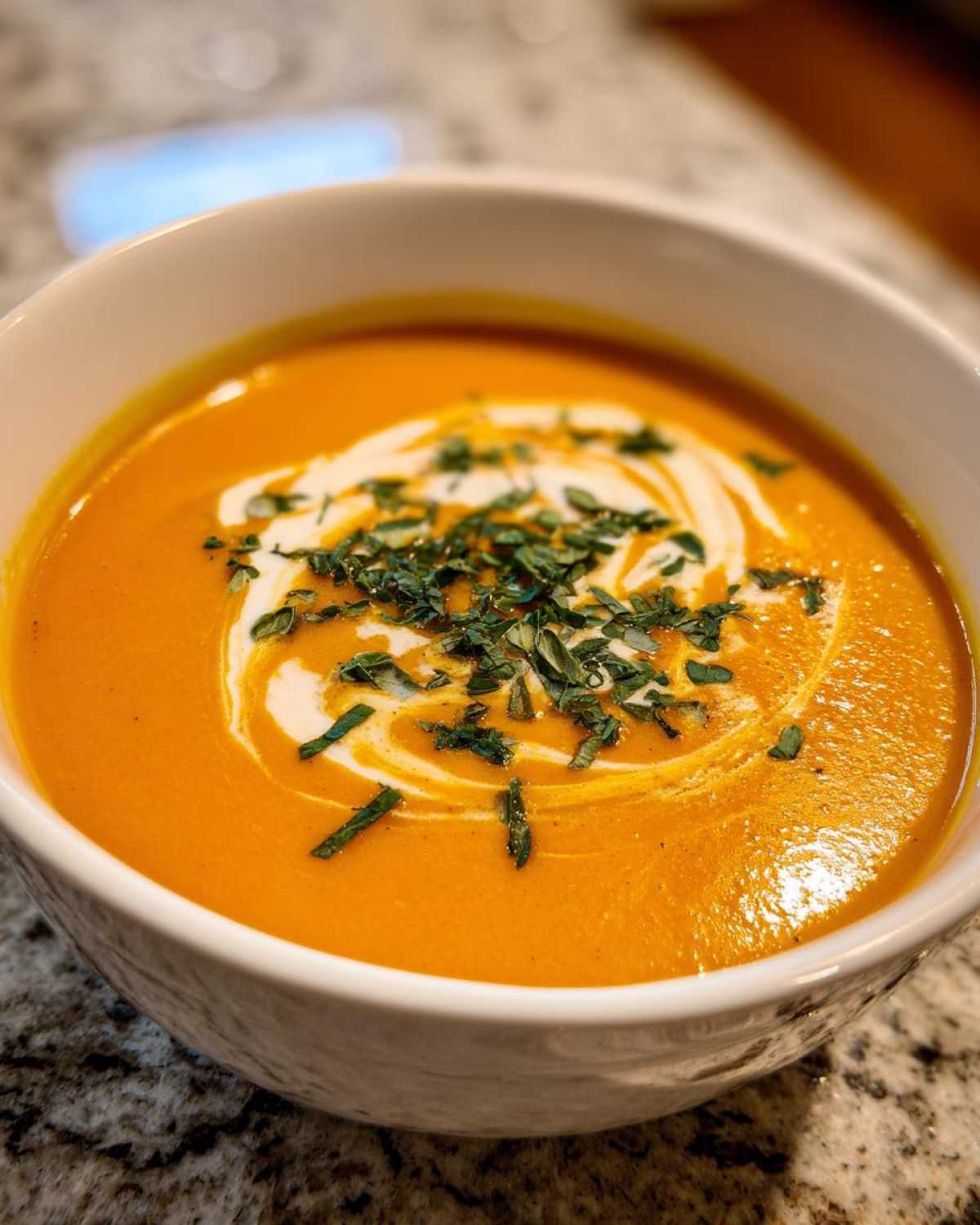
Now that you have this magnificent, warming butternut squash soup, we have to dress it up, right? Garnishes are non-negotiable for lifting a simple soup into something special! Since we used cinnamon and sage, we want toppings that add a little crunch or freshness.
I love tossing a handful of toasted pumpkin seeds right on top—they give you a great little textural difference against that creamy butternut squash soup. A final tiny drizzle of high-quality olive oil also helps make those flavors pop!
If you’re serving this as the main event for dinner instead of just a starter, you absolutely need bread or something starchy on the side. Honestly, this soup is amazing with a fresh slice of cornbread, but for a real feast, try making some creamy mashed potatoes—they are perfect for dipping!
Storage and Meal Prep Tips for Butternut Squash Soup
Listen, this creamy butternut squash soup is honestly better the next day, which makes it the ultimate meal prep soup! Since we roasted everything and got that deep flavor base, letting it rest overnight just marries those sage and cinnamon notes beautifully.
Storing Your Leftover Butternut Squash Soup
If you don’t eat it all in one sitting (which is tough, trust me), get it into airtight containers right away. You want to chill it completely before you seal the lids. It keeps beautifully in the fridge for up to four days. Because it’s so rich, it might thicken up a bit once it goes cold—that’s normal! Don’t worry about that thickening, because it fixes itself right up when we reheat it.
Freezing Instructions for This Healthy Squash Soup
If you’re making a huge batch and need to save some for leaner days, this freezes like a dream. I always avoid freezing anything that’s super starchy, but because this is primarily squash and broth, it holds up really well. Pour the cooled soup into freezer-safe bags or containers, leaving about an inch of space at the top because liquids expand. It lasts fantastic for up to three months in the freezer, making it a perfect winter warmer recipe standby.
Reheating Without Losing That Creamy Texture
When you’re ready to eat it straight from the fridge or the freezer, the reheating matters! Never microwave large batches, as it can heat unevenly and sometimes mess with dairy if you used cream. The best way is slow and low on the stovetop. Pour the soup into a pot, turn the heat to medium-low, and let it warm gently, stirring frequently.
If it seems too thick after reheating, this is the time to thin it out slightly with a splash of extra broth to get that perfect, velvety texture back. If you’re looking for something easy to serve with your reheated soup, my fluffy rice pilaf is a wonderful addition!
Common Questions About Making Butternut Squash Soup
I get so many messages about trying out this recipe, which is wonderful! Since this roasted butternut squash soup has a few specific steps, like deciding between coconut milk and cream, people often have little questions. Here are the things I hear most often when you’re trying to nail that perfect bowl of autumn soup.
Is this easy squash soup truly quick?
That’s a funny question because it depends on what you consider “quick”! If you mean hands-on time, then yes! Total active prep is maybe 20 minutes, tops—chopping the onion, mincing garlic, scooping the squash seeds. But remember, the roasting time is entirely hands-off, about 45 minutes, and that’s what builds the flavor. If you need soup in under 30 minutes, you’d have to use pre-steamed squash, but then it won’t be the best, creamiest butternut squash soup we know and love. So, I’d call this “easy, mostly hands-off.”
Can I use dried sage instead of fresh sage?
You absolutely can, but you have to scale back a lot! Fresh sage has such a bright, aromatic punch, especially when stirred in at the end, that it’s hard to beat. If you only have dried, use about a quarter of the amount the recipe calls for. Dried herbs release their flavor much faster and more intensely than fresh. Since fresh sage is key to that gourmet finish, try to grab some if you can—it’s worth it for a true winter warmer recipe!
Does this recipe qualify as healthy squash soup?
I’d definitely say so! Butternut squash is packed with vitamins and fiber, making it a really healthy squash soup base. The main thing that swings the needle is what you use for the cream factor. If you use the heavy cream, it’s richer, which is great for comfort food soup. If you use the full-fat coconut milk for a dairy-free squash soup, it’s still rich but the fat profile changes completely. It’s naturally vegetarian and loaded with vegetable broth, so you’re getting tons of nutrients in every spoonful.
Can I add other vegetables to make it a gourmet squash soup?
I love that you’re thinking gourmet! You can absolutely bulk this up. If you want to add more root vegetables, dice up one large carrot or a small parsnip and roast it right alongside the squash—they cook around the same time. You could also add a few pieces of peeled apple for a slightly tart sweetness that pairs beautifully with the spiced butternut squash flavor. If you’re interested in other super fast soup hacks, sometimes I whip up a 10-minute egg drop soup when I’m really short on time!
Nutritional Estimates for Creamy Butternut Squash Soup
I always get asked about the health side of things when people try this recipe, especially since we’re aiming for a delicious comfort food soup that doesn’t feel too heavy. So, I pulled together the estimated nutritional breakdown for you. This helps give you an idea of what you’re enjoying in a standard serving size.
Keep in mind, these numbers are just a loose guide for one serving (about 1.5 cups). If you decide to use coconut milk instead of heavy cream, or if you sneak in extra sage or use a little more oil during roasting, those numbers will shift a bit! Transparency is important, so make sure you check out our full nutritional disclaimer for all the fine print.
- Serving Size: 1.5 cups
- Calories: About 250
- Fat: Around 12g (This will vary based on cream vs. coconut milk!)
- Carbohydrates: Roughly 32g
- Protein: About 5g
- Fiber: A healthy 7g
What I love most is that even with the creaminess, you are getting a ton of fiber and nutrients from that star ingredient, the butternut squash. It’s a fantastic way to sneak in those vitamin-packed veggies while still feeling like you’re indulging in a rich autumn soup!
Share Your Experience Making This Butternut Squash Soup
Okay, I’ve poured my heart out about roasting, spice ratios, and why I nearly burned my kitchen down testing the best creamy butternut squash soup ever! But now it’s your turn! I genuinely want to know what you think.
Did you try this recipe? Did you stick to the cinnamon and sage, or did you sneak in something else? Maybe you added a pinch of nutmeg or a dash of smoked paprika? Drop a comment below and let me know your favorite variation! Ratings help, too—if you loved this winter warmer recipe, click those stars so other folks know this is the roasted butternut squash soup recipe they need for fall.
Also, if you snapped a picture of your gorgeous, velvety bowl of soup, I would absolutely love to see it! It warms my heart to know this recipe is showing up on your dinner tables.
If you want to learn more about why I share these beloved family favorites, check out my About Us page. Happy cooking, everyone!
PrintCreamy Roasted Butternut Squash Soup with Sage and Cinnamon

Make a rich and flavorful butternut squash soup by roasting the squash first. This recipe uses sage and cinnamon for warmth.
- Prep Time: 20 min
- Cook Time: 55 min
- Total Time: 75 min
- Yield: 6 servings
- Category: Dinner
- Method: Roasting and Simmering
- Cuisine: American
- Diet: Vegetarian
Ingredients
- 1 large butternut squash (about 3 lbs)
- 2 tablespoons olive oil
- 1 large yellow onion, chopped
- 2 cloves garlic, minced
- 1 teaspoon ground cinnamon
- 1/2 teaspoon ground ginger
- 4 cups vegetable broth
- 1/2 cup heavy cream (or full-fat coconut milk for dairy-free)
- 1 tablespoon fresh sage, chopped
- 1 teaspoon salt
- 1/2 teaspoon black pepper
Instructions
- Preheat your oven to 400 degrees F (200 degrees C). Cut the butternut squash in half lengthwise and scoop out the seeds. Drizzle the cut sides with 1 tablespoon of olive oil, place cut-side down on a baking sheet, and roast for 40 to 50 minutes, or until very tender. Let it cool slightly, then scoop the flesh out of the skin.
- While the squash roasts, heat the remaining 1 tablespoon of olive oil in a large pot or Dutch oven over medium heat. Add the chopped onion and cook until soft, about 5 to 7 minutes.
- Add the minced garlic, cinnamon, and ginger to the pot. Cook for 1 minute until fragrant.
- Add the roasted squash flesh and vegetable broth to the pot. Bring the mixture to a simmer.
- Remove the pot from the heat. Use an immersion blender to blend the soup until completely smooth and creamy. Alternatively, carefully transfer the soup in batches to a standard blender and blend until smooth, then return it to the pot.
- Stir in the heavy cream (or coconut milk), chopped sage, salt, and pepper. Heat gently until warmed through, but do not boil after adding the cream.
- Taste and adjust seasoning if needed before serving.
Notes
- For a smoother texture, strain the finished soup through a fine-mesh sieve.
- Garnish servings with toasted pumpkin seeds or a drizzle of olive oil.
- If you prefer a thinner soup, add more vegetable broth until you reach your desired consistency.
Nutrition
- Serving Size: 1.5 cups
- Calories: 250
- Sugar: 10
- Sodium: 450
- Fat: 12
- Saturated Fat: 6
- Unsaturated Fat: 6
- Trans Fat: 0
- Carbohydrates: 32
- Fiber: 7
- Protein: 5
- Cholesterol: 20