

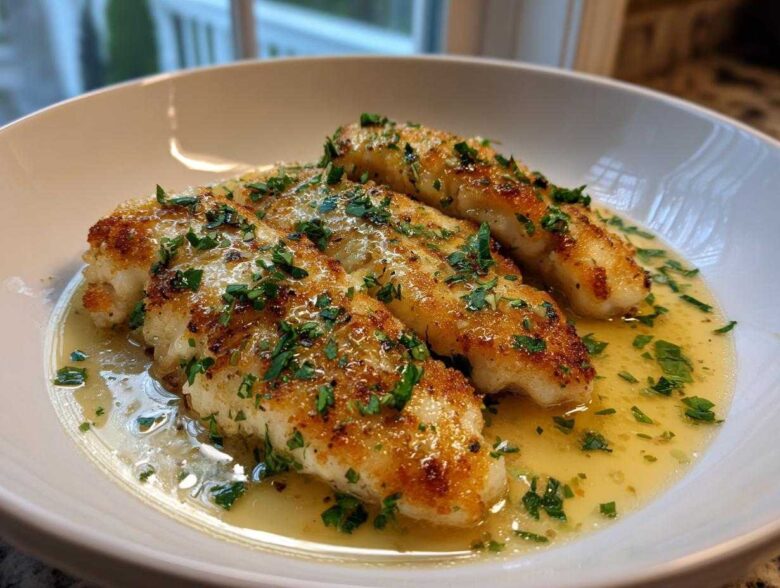
You know me, I love seafood, but sometimes I get nervous about cooking delicate fish on a busy Tuesday night. Those fancy French restaurant dishes always look impossible, right? Wrong! I spent way too much time ordering this out before I finally cracked the code to perfectly flaky fillets swimming in that tangy lemon sauce. Forget the stress; I’m handing you my absolute Easy Flounder Francaise Recipe today. It tastes like you spent hours fussing, but honestly, it’s one of the fastest, most impressive things you can whip up. Dinner just got a massive upgrade, trust me!
Why This Easy Flounder Francaise Recipe Works for Quick Dinners
I know why you clicked this—you want that amazing restaurant flavor without the guesswork, right? This isn’t some stuffy culinary challenge; this is real life! This recipe is brilliant because it keeps things moving fast. It’s genuinely a 30-minute meal when you hustle.
- It’s incredibly fast. We are talking about fish cooked start-to-finish in under 15 minutes of actual cooking time.
- The dredging technique is super basic—flour, egg, done! No complicated rubs needed.
- That lemon-butter sauce? It’s all done by scraping up the browned bits in the same pan. Maximum flavor with minimal cleanup.
If you want an authentic taste for your quick flounder dinner idea without needing to call in reinforcements, you’ve found your go-to method.
Ingredients for Your Easy Flounder Francaise Recipe
Okay, let’s get organized! Before we start cooking, you need to get everything ready because the fish cooks so quickly. You’re going to want to use those thin flounder fillets for this one. If you can only find thicker pieces, just slice them horizontally—we call that butterflying! Cooking delicate white fish recipes like this relies on having thin, uniform pieces so everything finishes cooking at the same time.
Here is what you need hiding in your kitchen:
- 4 (5 ounce) flounder fillets, make sure they are thin!
- 1/2 cup all-purpose flour
- 2 large eggs, just lightly beaten, don’t whip them into a foam!
- 1/4 cup olive oil
- 4 tablespoons unsalted butter, and this is important—it needs to be divided for later steps.
- 1/2 cup dry white wine (Chardonnay or Pinot Grigio works beautifully).
- 1/2 cup chicken broth
- 1/4 cup fresh lemon juice (Seriously, use fresh stuff, the bottled juice ruins the sauce flavor).
- 2 tablespoons fresh parsley, chopped up nice and fine for garnish.
My one big tip? Whenever possible, get flounder that was caught recently. You want that really fresh, almost sweet smell before you even start dredging!
Essential Equipment for Making Easy Flounder Francaise
Since this is such a quick-moving dish, you don’t want to be digging around for tools when the oil is smoking! Set up your station first. This really is half the battle when you’re whipping up something this light and fast.
You don’t need a massive setup, just these few things ready to go:
- A large skillet, preferably non-stick or well-seasoned cast iron, big enough so you aren’t jamming the fish in there.
- Two separate shallow dishes for your assembly line—one for the flour, one for the beaten egg.
- Tongs for flipping those delicate fillets without tearing them apart.
- A small whisk for smoothing out that beautiful lemon wine sauce at the end.
- A slotted spatula to lift the fish out of the pan so any extra oil drains off nicely.
Having everything lined up like this means everything happens in a smooth flow, which stops you from overcooking the fish. We are aiming for perfection here!
Step-by-Step Instructions for the Easy Flounder Francaise Recipe
Alright, this is where we bring it all together! Mastering the classic fish francaise technique really just means working cleanly and quickly. Since flounder is so thin, timing is everything. We break this into four simple stages so you don’t miss a beat while you’re cooking these wonderful pan fried flounder recipes. Keep your heat steady, and don’t walk away from the pan!
Preparing the Flounder for the Easy Flounder Francaise
First things first: dry fish means golden crust! Grab some paper towels and pat those fillets bone dry—moisture is the enemy of a good sear. Next, set up your assembly line. You need one shallow plate coated lightly with flour, and the second dish filled with your two beaten eggs. Take each piece of flounder, dredge it gently in the flour, and make sure to shake off every last bit of excess. We want a whisper of flour, not a heavy coating!
Once floured, dip it straight into the egg bath. Let the extra egg drip back into the bowl before you move it to the skillet. This careful preparation ensures that light, beautiful coating we are aiming for.
Sautéing the Flounder Fillets
Time to fire up the stove! Combine your olive oil and half of your butter (1 tablespoon of butter for each batch) in that big skillet over medium-high heat. You know it’s ready when the butter is melted and shimmering, but not smoking furiously. Carefully lay about half the fillets in there. Don’t crowd the pan, or the temperature drops immediately and you end up steaming the fish, which is a tragedy!
Cook them for just 2 to 3 minutes per side. You’re looking for a lovely light golden-brown color. Once they look done—they’ll flake easily if you poke them gently—pull them out right away onto a clean plate. Set your heat back to medium, replenish your fat by melting the remaining 2 tablespoons of butter, and cook the second batch the same way.
Creating the Simple Lemon Butter Fish Sauce
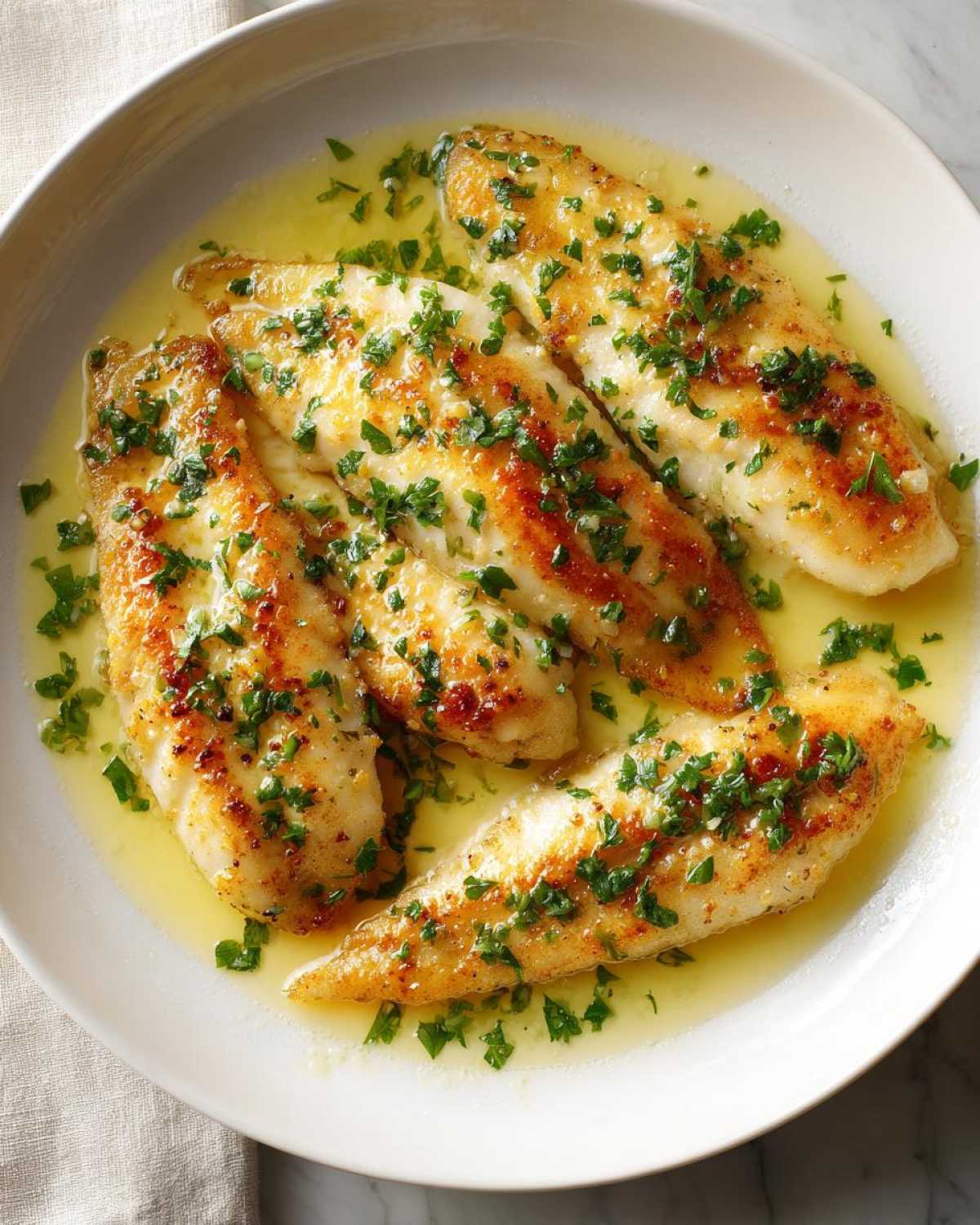
Now for the magic! Keep the heat around medium. Pour in that dry white wine and use a wooden spoon to scrape up all those little browned, flavorful bits stuck to the bottom of the pan. That’s pure flavor right there! Let that wine bubble away and reduce by about half, which takes maybe two minutes. Don’t worry if you don’t have wine; you can use extra broth, but wine really brightens things up. Next, pour in that chicken broth and the fresh lemon juice. Let that simmer for about three minutes until it looks like it’s just starting to thicken up a touch.
Here is the crucial part for getting that luxurious, creamy texture, like when I make my creamy sauce. Take the pan *off* the heat. Whisk in the final 2 tablespoons of cold butter, one tablespoon at a time, until the sauce looks emulsified and smooth. If you boil the sauce once that cold butter is in there, it’ll break, and we don’t want that oily mess!
Finishing the Easy Flounder Francaise Recipe
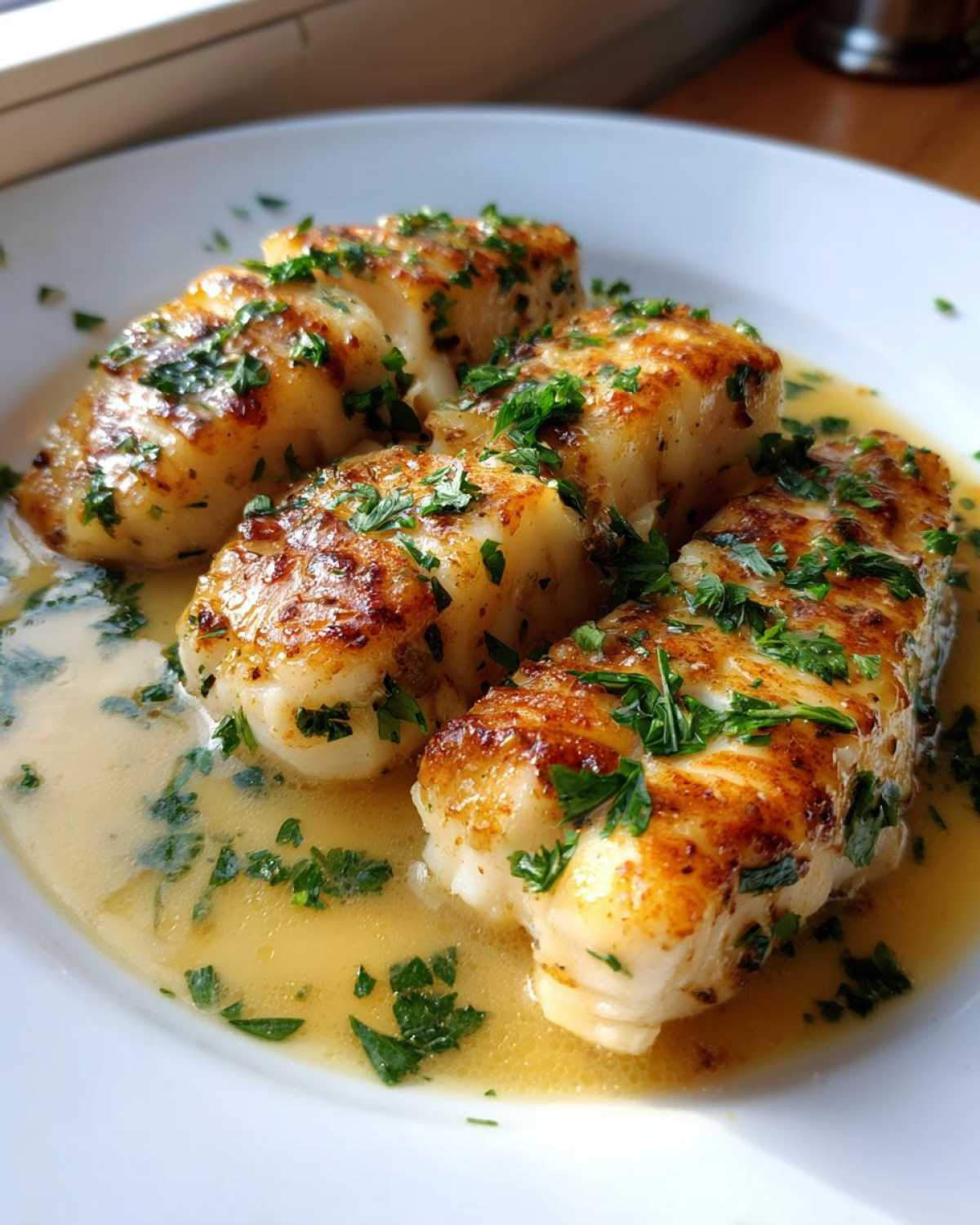
With the sauce totally smooth, stir in your fresh, chopped parsley for color and freshness. That’s Step 7 done! Right before serving, take those lovely, perfectly cooked flounder fillets that you set aside and gently lay them back into the pan. Just turn them over once or twice to coat them thoroughly in that amazing light lemon wine sauce for fish. Serve it immediately, piled high with extra sauce drizzled right over the top. It’s that easy to get that authentic, restaurant-quality finish!
Expert Tips for Perfecting Your Flounder Francaise
Listen, the reason this Easy Flounder Francaise Recipe is so great is because it highlights what the fish *isn’t*. It’s not heavy, it’s not drowning in sauce, and it certainly shouldn’t be tough! My biggest piece of advice, straight from the recipe notes, is to watch that fish like a hawk. Flounder cooks so fast; once it flakes beautifully when you nudge it with a fork, pull it immediately. Overcooked flounder is just sad, isn’t it?
Also, please, please use fresh lemon juice. Those little bottles of concentrate just don’t have the zing you need to cut through the butter. For that beautiful, thin texture that reminds you of my favorite easy fish scallopini style dishes, make sure you flatten your fillets slightly before dredging. A more uniform surface area yields a more controlled, even cook, which is exactly what we want in this delicate dish!
Serving Suggestions for Your Quick Flounder Dinner
So, you’ve got this gorgeous, light, tangy fish sitting there, ready to go. What do we pair it with that won’t weigh down this beautiful, delicate meal? We’re sticking to light and bright sides, keeping that 30-minute promise alive! I usually go for something green and something grain-based to soak up that leftover sauce.
Asparagus is my number one pick. Just steam it quickly or toss it with a tiny bit of salt and roast it for under ten minutes. It has the perfect crispness next to the soft fish. For the starch, you absolutely have to try my easy rice pilaf recipe—it takes almost no effort and those little bits of toasted pasta soak up the sauce perfectly.
Honestly, even just some simple angel hair pasta tossed lightly in olive oil would be divine. Keep the sides simple so that incredible lemon sauce really shines through!
Storing and Reheating This Delicate White Fish Recipe
Okay, this is where we get real about leftovers, because sadly, flounder francaise isn’t quite as glorious the next day, but we can pretend! If you do have some leftover, the absolute key is gentle handling. Don’t seal it in an airtight container while it’s still warm, or you’ll steam the fish and it’ll get slimy fast. Let those precious fillets cool completely first!
When you’re ready to eat the next day, please, I mean *please*, skip the microwave. That high heat just destroys delicate white fish recipes like this. Instead, reheat it on the stovetop over very low heat with a teaspoon of broth or water to create steam. Just warm it through for a minute or two until it’s barely hot enough to eat. Better yet? You can gently warm just the sauce separately and pour it over room-temperature fish. Happy leftovers!
Frequently Asked Questions About the Easy Flounder Francaise Recipe
I know you might have questions swirling around, especially if this is your first time making a true francaise! It’s an easy step up from regular pan-fried fish, but there are a few spots where people sometimes get nervous. Don’t worry, I got you covered so you can nail that authentic flavor profile every time!
Can I substitute the flounder for another fish in this recipe?
Absolutely! While I truly love the delicate texture of flounder, this method works wonderfully for any thin white fish. Think sole, tilapia, or even thin slices of chicken breast if you wanted an easy fish scallopini style dinner. Just be sure whatever you use is sliced thin or pounded slightly so it cooks fast and evenly. You’re making a great choice with this flexible base!
What type of white wine should I use for the light lemon wine sauce for fish?
You need a dry white wine—something you’d happily drink with the meal! Avoid anything sweet like a Moscato; that will make your sauce taste syrupy. My go-to for this light lemon wine sauce for fish is usually a crisp Pinot Grigio or an unoaked Chardonnay. If you absolutely can’t use wine (or don’t have any open), just swap the 1/2 cup of wine for 1/4 cup extra chicken broth and add a tiny splash—maybe a teaspoon—of white wine vinegar to give it that necessary acidic tang.
Why did my sauce split when I added the cold butter?
Oh, the dreaded split sauce! This happens if you try to whisk the butter in while the pan is still boiling hard. Remember, we want to make an emulsion, where the fat (butter) and liquid (broth/wine) join together smoothly. If the heat is too high, the sauce boils past the emulsification point, and the butter separates out into sad little oil slicks. Always pull the pan off the heat before whisking in that last bit of cold butter. It’s the secret to my simple lemon butter fish sauce!
Is this suitable as a low-fat dinner idea?
It’s definitely on the lighter side compared to a heavy cream sauce, making it a great option for a lighter seafood dish. The primary fats come from the olive oil and butter used for searing and enriching the sauce. If you are really watching fat content, you can use just 1 tablespoon of olive oil and skip the added butter at the end, adding a little more broth instead, though it won’t be quite as rich.
Nutritional Estimates for Flounder Francaise
I always get asked about the numbers, and while I am definitely not a nutritionist—I’m too busy eating the results of my recipes!—I do like to give you a general idea of what you’re working with here. Remember, this is just an estimate based on the standard measurements I use, so your values might swing a little depending on the brand of wine or if you spoon extra sauce onto your plate (which you probably should!).
This is a great choice if you want something full of flavor that keeps things relatively light. It’s high in protein, which keeps you full, too!
- Serving Size: 1 fillet with sauce
- Calories: About 310
- Protein: A solid 28 grams!
- Fat: Around 18 grams total, with 6 grams of saturated fat.
- Carbohydrates: Very low, only about 8 grams.
- Sugar: Practically nothing—just 1 gram!
- Sodium: 250 mg (This will go up if you add extra salt during cooking).
See? It’s a fantastic, French-inspired dish that lets you enjoy rich flavor without loading up on heavy starches or creams. Just a friendly heads-up: these numbers change if you decide to serve it over pasta instead of just veggies, but it’s a wonderful, light base for any quick flounder dinner idea!
PrintEasy Flounder Francaise Recipe
Follow these simple steps to make classic Flounder Francaise, featuring delicate flounder fillets in a quick lemon-butter-wine sauce.
- Prep Time: 10 min
- Cook Time: 15 min
- Total Time: 25 min
- Yield: 4 servings
- Category: Dinner
- Method: Sautéing
- Cuisine: French Inspired
- Diet: Low Fat
Ingredients
- 4 (5 ounce) flounder fillets, thin
- 1/2 cup all-purpose flour
- 2 large eggs, lightly beaten
- 1/4 cup olive oil
- 4 tablespoons unsalted butter, divided
- 1/2 cup dry white wine
- 1/2 cup chicken broth
- 1/4 cup fresh lemon juice
- 2 tablespoons fresh parsley, chopped
Instructions
- Place the flour on a shallow plate. Place the beaten eggs in a second shallow dish. Pat the flounder fillets dry with paper towels.
- Lightly dredge each flounder fillet in the flour, shaking off any excess. Dip the floured fillet into the egg mixture, coating both sides. Let excess egg drip off.
- Heat the olive oil and 2 tablespoons of butter in a large skillet over medium-high heat until the butter melts.
- Carefully place half of the coated fillets into the hot skillet. Cook for 2 to 3 minutes per side until golden brown and cooked through. Remove the fish and set aside on a plate. Repeat with the remaining 2 tablespoons of butter and the remaining fillets.
- Reduce the heat to medium. Pour the white wine into the skillet and scrape up any browned bits from the bottom of the pan. Let the wine reduce by half, about 2 minutes.
- Add the chicken broth and lemon juice to the skillet. Bring to a simmer and cook for 3 minutes until the sauce slightly thickens.
- Remove the skillet from the heat. Whisk in the remaining 2 tablespoons of cold butter, one tablespoon at a time, until the sauce is smooth. Do not let the sauce boil after adding the butter.
- Stir in the chopped parsley. Return the cooked flounder fillets to the pan briefly to coat them with the sauce. Serve immediately.
Notes
- Do not overcook the flounder; it cooks quickly. The fish is done when it flakes easily with a fork.
- Use fresh lemon juice for the best flavor in the sauce.
- For a richer sauce, substitute half of the chicken broth with heavy cream.
Nutrition
- Serving Size: 1 fillet with sauce
- Calories: 310
- Sugar: 1
- Sodium: 250
- Fat: 18
- Saturated Fat: 6
- Unsaturated Fat: 12
- Trans Fat: 0
- Carbohydrates: 8
- Fiber: 0
- Protein: 28
- Cholesterol: 150