

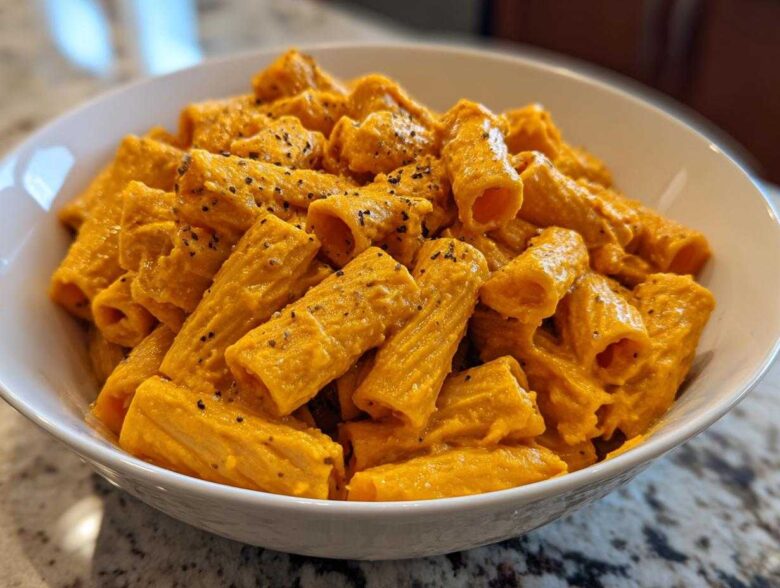
Oh my gosh, you know when that first real crisp autumn evening hits and you just crave something incredibly creamy but don’t want to feel heavy? That’s when I run to the pantry for my butternut squash pasta sauce recipe. Seriously, this is my ultimate seasonal hug in a bowl! Forget those sad, watery sauces you might have made before; we are achieving real, velvet-smooth magic here.
The secret really is just roasting. We take a simple butternut squash, roast it until it’s almost sweet, and then blend it into the most luxurious sauce you’ve ever had. It’s naturally packed with veggies, which my kids don’t even notice because it tastes like pure comfort, and it’s shockingly fast enough for a Tuesday night dinner. If you’re looking for amazing dinner ideas that scream cozy fall, you’ve found it!
Why This Creamy Butternut Squash Pasta Sauce Recipe Works
When it comes to making a seriously rich butternut squash pasta sauce, you want results that taste like you spent hours patiently simmering, right? Well, this method delivers that flavor profile without the commitment. It’s my go-to because it ticks all the boxes for busy weeknights.
- It’s naturally creamy and wonderfully smooth, even if you skip the cheese substitutes!
- It handles dietary swaps like a champ—hello, naturally Vegan and Dairy-Free pasta!
- It tastes like pure autumn comfort but comes together surprisingly fast.
Quick Prep for a Weeknight Pasta Sauce
The absolute best part of calling this a Weeknight Pasta Sauce is the timing. You’re only doing about 20 minutes of active chopping and sautéing. While the squash is happily roasting away in the oven (which is basically hands-off time!), you can start that laundry, set the table, or just sneak a few crackers.
Achieving the Ultimate Roasted Squash Sauce Texture
Please, please, never boil your squash for a sauce like this! Boiling works, I guess, but roasting is key to that deep, slightly nutty sweetness. When you roast it, those natural sugars caramelize just a tiny bit, giving your Roasted Squash Sauce a depth of flavor that boiling just can’t touch. Plus, roasted squash blends up way smoother than cooked-in-water squash ever will.
Essential Ingredients for Butternut Squash Pasta Sauce
Alright, let’s talk about what goes into making this heavenly butternut squash pasta sauce! I made a point of keeping the ingredient list short and focused because sometimes the best dishes come from letting a few high-quality items truly shine through. When I first started playing with this recipe, I tried throwing in everything but the kitchen sink, but honestly, less is more here. Follow these measurements pretty closely, especially for the roasting part, and you’ll get that perfect consistency every time. Don’t forget to check out my guide on making caramelized onions—those flavor skills help here!
- 1 medium butternut squash (we’re talking about 3 pounds, aim for one that feels heavy for its size!)
- 2 tablespoons olive oil, split between the squash and the aromatics
- 1 medium yellow onion, chopped finely
- 4 cloves garlic, minced—don’t skimp on the good stuff!
- 1/2 cup vegetable broth (this thins it out nicely)
- 1/4 cup nutritional yeast (this is our secret weapon, keep reading!)
- 1 teaspoon dried sage (the classic pairing)
- 1/2 teaspoon salt
- 1/4 teaspoon black pepper
- 1 pound pasta of your choice (though I prefer rigatoni!)
Ingredient Notes and Substitutions for Your Butternut Squash Pasta Sauce
So, I know that nutritional yeast thing pops up and makes people pause. If you’re aiming for that classic cheesy taste without any dairy, that stuff—often called Nooch—is magic. It gives you that savory, slightly sharp Parmesan vibe when blended in. If you don’t have it or don’t like it? Totally fine! Just taste the sauce before you add your final salt adjustment, as you might need a tiny squeeze of fresh lemon juice to bring the brightness back instead.
Also, remember those notes I mentioned about roasting? If you want your butternut squash pasta sauce to have an extra subtle sweetness that just sings next to the sage, toss those squash halves with a drizzle of maple syrup before they go into the oven. It’s not required, but wow, does it taste fantastic for such a small step!
Step-by-Step Guide to Making Butternut Squash Pasta Sauce
Okay, buckle up, because this is where the magic happens! Turning a hard squash into a dreamy sauce seems complicated, but I promise it’s just a few simple passes of heat and blending. We work in stages here: roast, sauté, simmer, blend. It’s such a structured process, and because you can multitask during the roasting time, this recipe flies by. Trust me, you need to follow these steps exactly if you want that velvety texture in your butternut squash pasta sauce. If you’ve ever struggled with lumpy sauces, this guide will walk you through getting yours perfectly smooth—it’s almost as satisfying as making my creamy garlic aioli!
Roasting the Squash for Maximum Flavor in Your Butternut Squash Pasta Sauce
First things first: the oven needs to be hot—400°F (200°C) is perfect! Take your squash, slice it right down the middle, and scoop out all those stringy seeds. Don’t throw them out; you can toast those later! When rubbing the squash down with oil, salt, and pepper, you MUST place it cut-side down on the baking sheet. This steams the inside a little bit, making it incredibly tender. You know it’s done when you can easily pierce the skin and flesh all the way through with a fork—it should feel almost mushy, that’s the sign we need for a silky butternut squash pasta sauce.
Building the Aromatic Base for the Easy Pasta Sauce
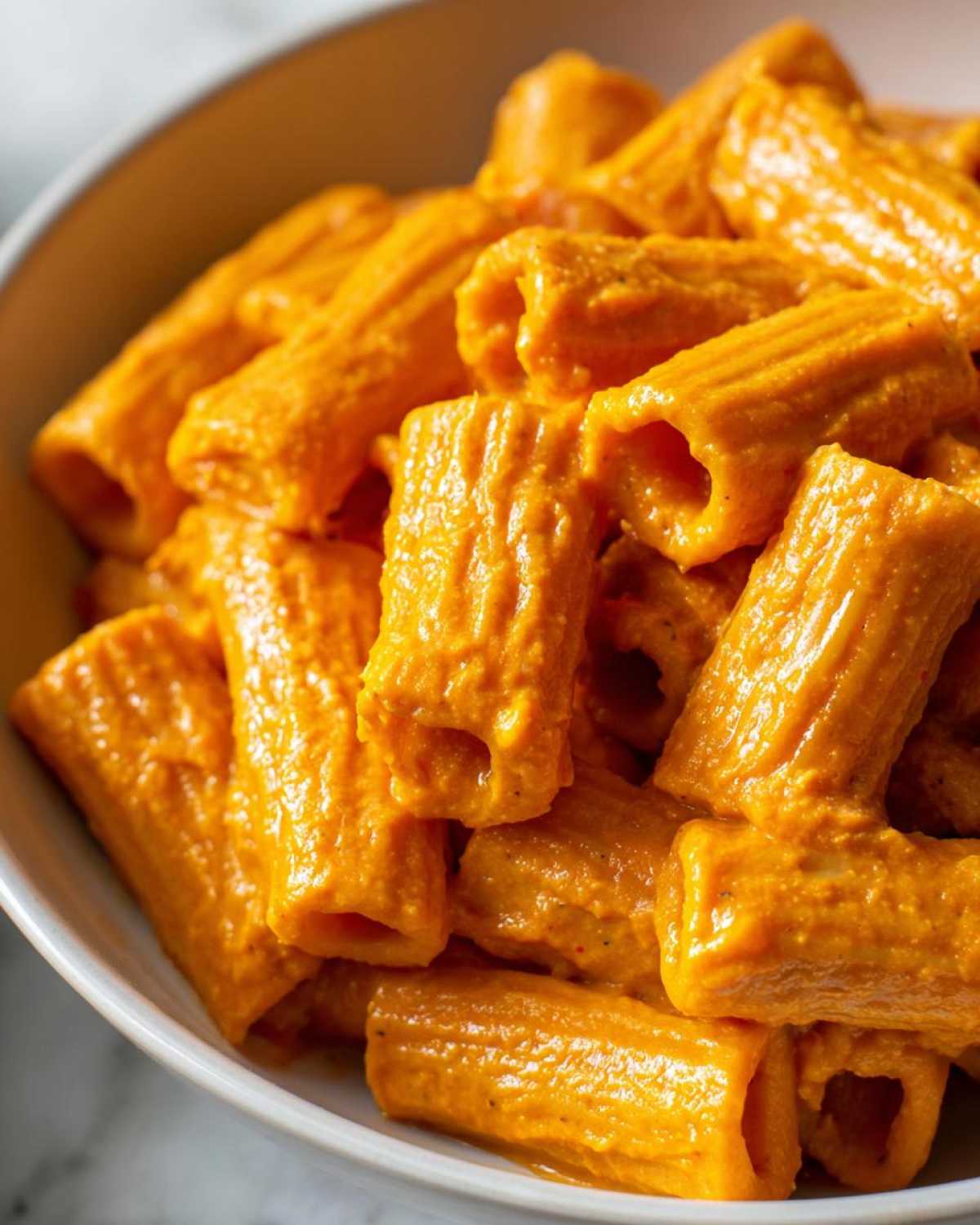
While that squash is doing its thing, grab a saucepan. A little oil over medium heat, and we sweat the onions until they actually get soft—about five minutes. Then! Add your garlic and that dried sage. You only want to cook this mixture for about 60 seconds. If you cook the sage until it gets dark brown, it’ll taste bitter, and we don’t want that bitterness ruining our lovely Easy Pasta Sauce. After that quick minute, toss in the roasted squash flesh and the veggie broth, then let it all simmer together for about five minutes. This lets the sage really infuse.
Blending to Achieve a Dairy Free Pasta Sauce Consistency
Now we blend! Either dump the mixture into a powerful regular blender or use your immersion blender right in the pot. Blend until you literally cannot see any lumps—I mean it, smooth as glass! If it looks stiff—and it might, especially if your squash wasn’t huge—just stream in a little more vegetable broth until it loosens up. Once it hits that perfect texture, stir in your optional nutritional yeast. I always save some pasta water before draining my noodles, and that starchy liquid is your best friend for thinning this Dairy Free Pasta Sauce just right so it clings beautifully to every noodle!
Tips for the Best Sage Butternut Squash Pasta
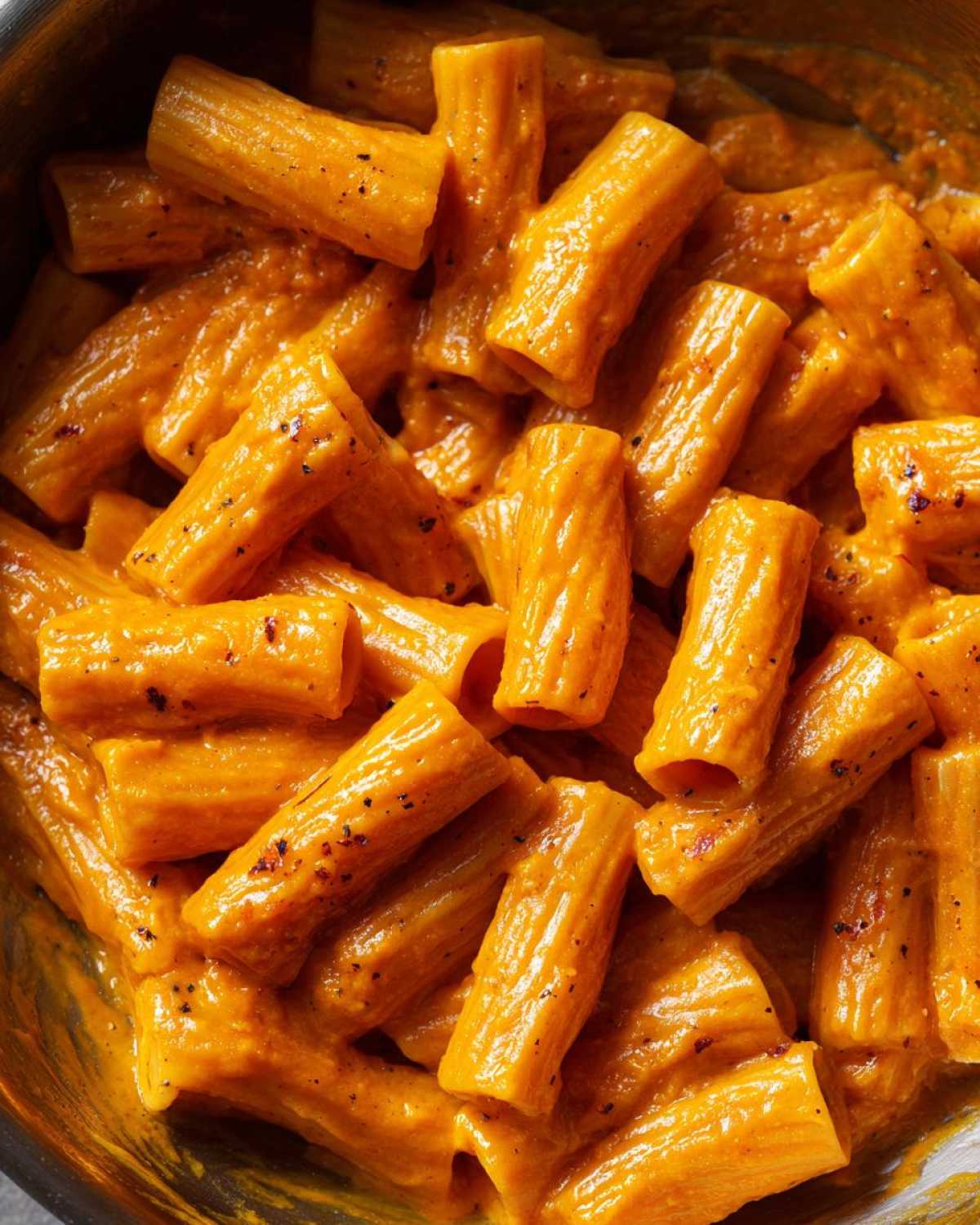
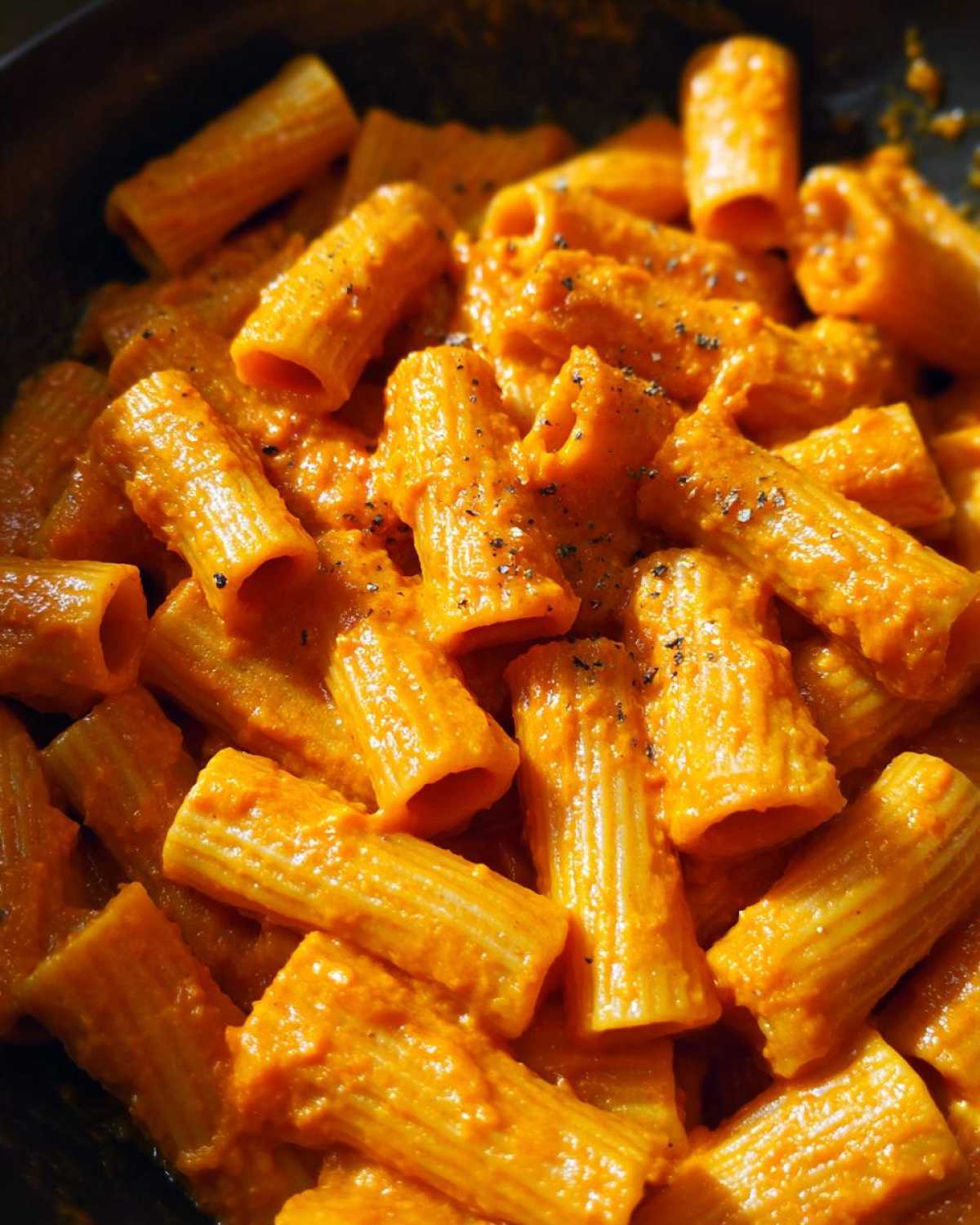
Getting this butternut squash pasta sauce just right means paying attention to the final touches. It’s these little details I picked up over trial and error that really push it into restaurant-quality territory. First, let’s talk pasta shape. While you can use anything, long, flat noodles get coated nicely, but I honestly prefer something with ridges or cups, like rigatoni or penne. That way, every time you scoop up a bite, you get a perfect pocket of that creamy squash goodness!
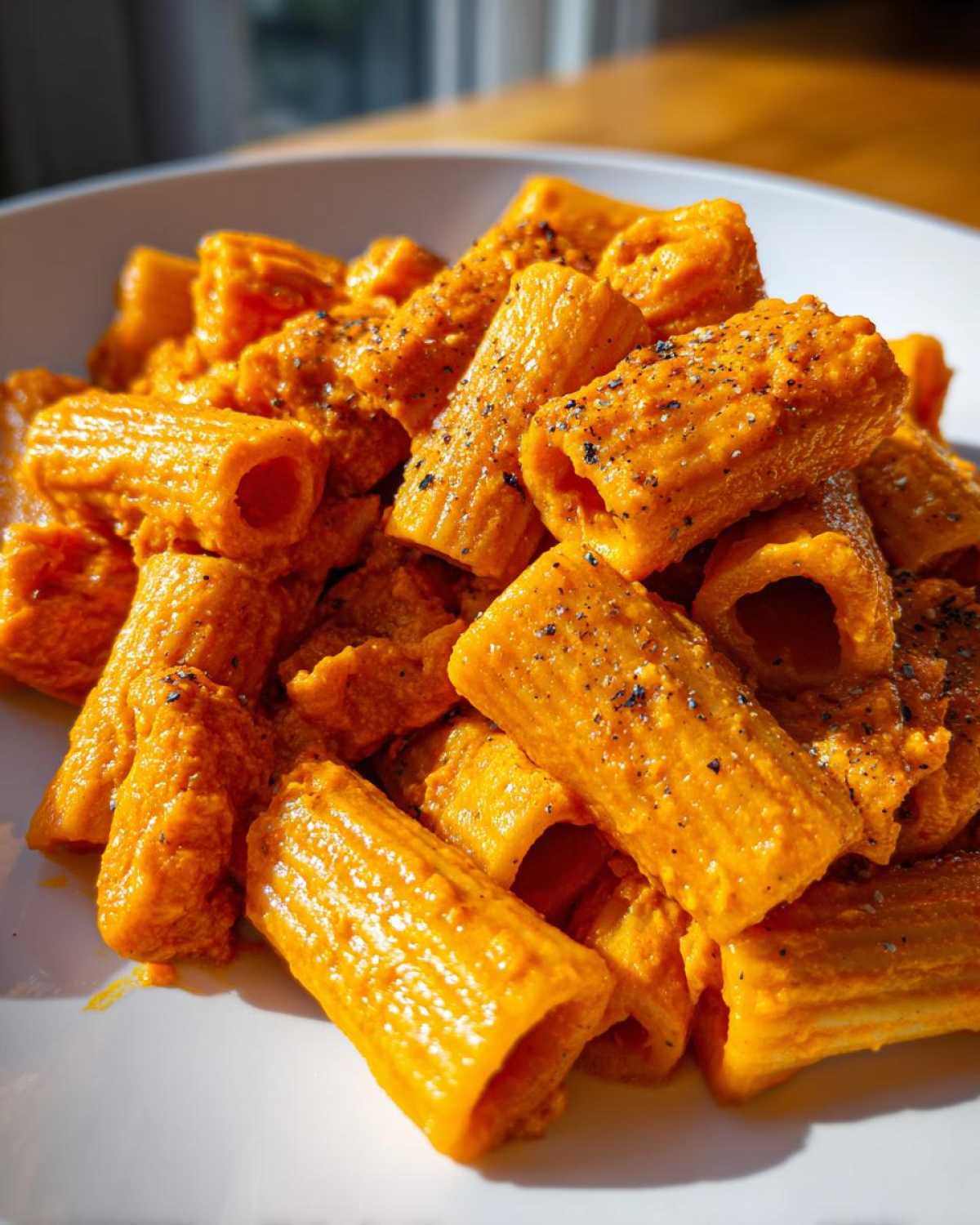
Don’t forget to taste-test right before combining it all with the pasta. The sweetness of the roasted squash changes how salt carries, so you might need a bit more salt than you think. And the sage? It’s crucial here. If you have fresh sage lying around, fry a few leaves quickly in brown butter (if you aren’t keeping it vegan) and sprinkle those crispy bits on top. That contrasting flavor and crunch makes the whole Sage Butternut Squash Pasta sing. It’s seriously next level comfort food!
If you want to see how I tackle another deeply savory sauce that uses root vegetables beautifully, you absolutely have to check out my guide for creamy mashed potatoes; the technique for keeping them fluffy is surprisingly similar to what we do to keep this sauce light!
Serving Suggestions for Your Fall Vegetable Pasta
So you’ve got this gorgeous, velvety Fall Vegetable Pasta coating every single piece of rigatoni. What now? We have to dress this beauty up slightly, right? I love keeping the sides simple because the sauce is the star of the show.
For toppings, you can never go wrong with some toasted pecans or walnuts sprinkled right on top—that little bit of crunch is vital! A tiny drizzle of good quality extra virgin olive oil always brightens things up. If you want a little fresh pop against the richness, toss a handful of fresh, chopped parsley over everything right before serving.
If you need a side dish, keep it green and light. A simple arugula salad with a sharp lemon vinaigrette cuts through the creaminess perfectly. Or, if you want something sweet and savory alongside, try my honey garlic roasted carrots—they complement the squash vibes beautifully!
Storage and Freezing Your Homemade Squash Sauce
One of the greatest things about making a big batch of this butternut squash pasta sauce is that you get future dinner plans locked in! You never want to freeze the sauce after you’ve mixed it with the cooked pasta—that gets gummy fast. Instead, cool the blended sauce base completely first. This sauce is seriously sturdy!
If you’re planning on using it within four or five days, just pop the sauce into an airtight container and keep it tucked away in the fridge. It solidifies a bit, which is normal, so when you reheat it, you’ll need to thin it out again. You’ll probably need about two tablespoons of broth or even just water to bring it back to that perfect, pourable texture we worked so hard for.
Now, if you want to save those amazing autumn flavors for winter, this base freezes like a dream! If you look back at my notes, I mentioned it keeps for up to three months, and that’s true! Ladle the cooled sauce into heavy-duty freezer bags or containers, press out all the air, and lay the bags flat in the freezer. When you’re ready for a meal, just thaw it overnight in the fridge and reheat it slowly on the stove with a little added liquid. It makes an amazing emergency meal when you’re too tired to cook!
Frequently Asked Questions About Butternut Squash Pasta Sauce
I get so many questions when people try this for the first time, which tells me everyone is as excited about fall vegetables as I am! Don’t worry if your first attempt seems too thin or you’re debating swapping ingredients—I’ve got answers for those little hurdles right here. Getting this butternut squash pasta sauce just right is my goal for you!
Can I make this a Vegan Butternut Squash Pasta without Nutritional Yeast?
Absolutely, yes! While the nutritional yeast gives the sauce that nice, savory, cheesy note that makes it taste so rich—especially for my friends eating strictly vegan—it is by no means mandatory. If you leave it out, you still have a fantastic, creamy, and naturally sweet sauce. However, since you lose a tiny bit of depth, I suggest adding a quarter teaspoon of fresh lemon juice at the very end when you adjust the seasoning. It perks up the flavor profile so the resulting Vegan Butternut Squash Pasta doesn’t taste flat. It’s still glorious!
How do I make this Quick Veggie Pasta thicker?
If you blend your sauce and it looks more like soup than a coating for pasta, don’t panic! This is usually because the squash was extra watery or you added too much broth initially. If you’re still simmering, just let it cook uncovered for an extra five to ten minutes; evaporation works wonders! If you’re done simmering, I always recommend blending in a small handful of raw cashews (soaked in hot water for 10 minutes!) or even a tablespoon of cornstarch mixed with cold water. If you want this Quick Veggie Pasta to be thick without adding anything else heavy, blend in a tablespoon of the starchy pasta water you reserved and blend again. That starch is the best thickener!
For more tips on getting insanely creamy textures without heavy dairy, check out my guide on getting creamy celery soup perfect!
Nutritional Estimates for This Comfort Food Pasta
Now, I’ll be the first to admit I’m not a nutritionist, so please take these numbers as a general guide for this delicious Comfort Food Pasta! When I was first tracking things, I plugged these ingredients into my app just out of curiosity, and honestly, I was thrilled at how much fiber and nutrition we packed in here just by using squash.
- Serving Size: 1 serving (about 1 cup sauce + 4 oz pasta)
- Calories: 450
- Sugar: 10g
- Sodium: 450mg
- Total Fat: 12g
- Carbohydrates: 75g
- Protein: 18g
See? All that comfort without feeling weighed down! It’s loaded with Vitamin A from the squash alone. Remember, this is just an estimate based on the core ingredients listed in the recipe, especially if you choose not to add that optional nutritional yeast.
Share Your Butternut Squash Dinner Ideas
Whew! I’m so happy you made it through the recipe for this amazing, creamy butternut squash pasta sauce. Now, I absolutely need to hear about it! Cooking for your family and friends is what it’s all about, right?
Did you add a secret spice? Did the kids devour it without asking any questions? If this recipe became one of your favorite new Butternut Squash Dinner Ideas, please let me know! Drop a comment down below letting me know how it turned out and, if you can, give the recipe a five-star rating. Ratings really do help other people find tried-and-true recipes like this one.
And honestly, snap a picture! Tag me on social media so I can see your beautiful pasta creations! I love seeing how everyone brings my kitchen ideas into theirs. If you want to learn more about my philosophy on simple, heartfelt cooking, you can always check out my About Us page. Happy Cooking!
PrintCreamy Roasted Butternut Squash Pasta Sauce
Make a rich, creamy pasta sauce using roasted butternut squash, garlic, and sage. This recipe is easy to prepare and works well for a weeknight dinner.
- Prep Time: 20 min
- Cook Time: 45 min
- Total Time: 65 min
- Yield: 4 servings
- Category: Dinner
- Method: Roasting and Stovetop
- Cuisine: American
- Diet: Vegetarian
Ingredients
- 1 medium butternut squash (about 3 lbs)
- 2 tablespoons olive oil, divided
- 1 medium yellow onion, chopped
- 4 cloves garlic, minced
- 1/2 cup vegetable broth
- 1/4 cup nutritional yeast (optional, for cheesy flavor)
- 1 teaspoon dried sage
- 1/2 teaspoon salt
- 1/4 teaspoon black pepper
- 1 pound pasta of your choice
Instructions
- Preheat your oven to 400°F (200°C). Cut the butternut squash in half lengthwise and scoop out the seeds. Rub the cut sides with 1 tablespoon of olive oil, salt, and pepper. Place cut-side down on a baking sheet.
- Roast the squash for 35 to 45 minutes, or until the flesh is very tender when pierced with a fork. Let it cool slightly.
- While the squash roasts, heat the remaining 1 tablespoon of olive oil in a saucepan over medium heat. Add the chopped onion and cook until soft, about 5 minutes. Add the minced garlic and dried sage, cooking for 1 minute until fragrant.
- Scoop the roasted squash flesh out of the skin and add it to the saucepan with the onions and garlic.
- Pour in the vegetable broth. Simmer for 5 minutes, stirring occasionally.
- Transfer the mixture to a blender or use an immersion blender. Add the nutritional yeast, if using. Blend until the sauce is completely smooth and creamy. Add more broth if the sauce is too thick.
- Taste the sauce and adjust salt and pepper as needed.
- Cook your pasta according to package directions. Drain the pasta, reserving about 1/2 cup of the starchy cooking water.
- Return the drained pasta to the pot. Pour the butternut squash sauce over the pasta. Toss to coat, adding reserved pasta water a tablespoon at a time until the sauce reaches your desired consistency. Serve immediately.
Notes
- For a richer flavor, roast the squash halves with a drizzle of maple syrup before blending.
- This sauce freezes well for up to three months. Cool completely before storing in an airtight container.
- Use any pasta shape; rigatoni or penne hold the sauce well.
Nutrition
- Serving Size: 1 serving (about 1 cup sauce + 4 oz pasta)
- Calories: 450
- Sugar: 10
- Sodium: 450
- Fat: 12
- Saturated Fat: 2
- Unsaturated Fat: 10
- Trans Fat: 0
- Carbohydrates: 75
- Fiber: 10
- Protein: 18
- Cholesterol: 0