

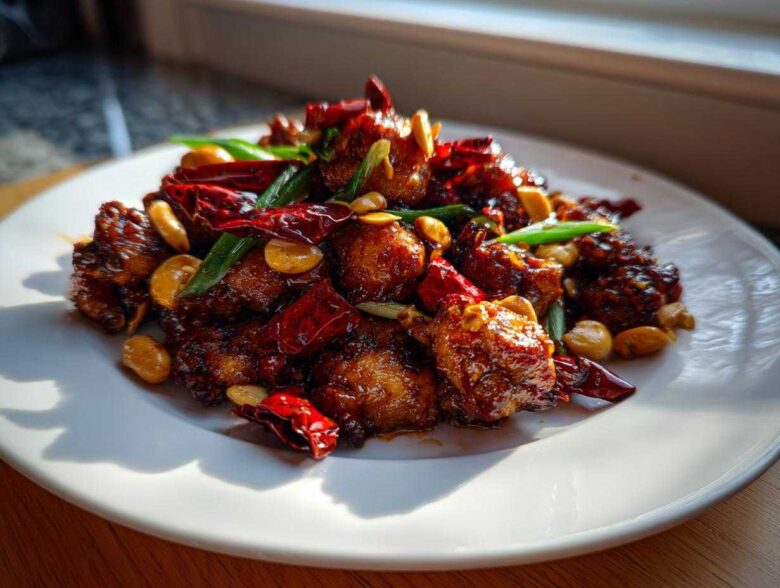
Oh my gosh, are you missing that incredible takeout flavor now that you’re eating keto? I totally get it! Craving that sweet, spicy, nutty punch of authentic Kung Pao Chicken but needing to keep the carbs ridiculously low feels impossible sometimes. Well, guess what? After years of tweaking my **keto Chinese food recipes**, I finally cracked the code. This isn’t just ‘close enough’—this is the definitive, truly low-carb **Keto Kung Pao Chicken** recipe that ditches the sugar and cornstarch completely, yet somehow still delivers that authentic flavor explosion. Trust me, my family finally stopped asking for takeout menus after I perfected this sauce! You can read a little more about my kitchen adventures over at our story page if you want to know how dedicated I am to making keto delicious.
Why This Keto Kung Pao Chicken Recipe Works (Quick Wins)
When you see ‘keto’ and ‘takeout’ in the same sentence, you probably expect a compromise, right? Not here! This recipe is everything you love about the classic dish, minus the sugar bombs. We use smart swaps that let you enjoy the bold flavors you miss.
-
Authentic Flavor with Zero Sugar
The magic is in the sauce, truly! By using a keto-approved sweetener swap, we nail that signature sweet-and-tangy profile that makes **Keto Kung Pao Chicken** addictive. It tastes just like the real deal, I promise!
-
Ready in Under 30 Minutes
You can whip this up quicker than waiting for delivery! With only 15 minutes of prep and 15 minutes of cook time, this is your new go-to for fast, satisfying **easy weeknight keto meals**. Have you seen my lightning-fast egg drop soup? Perfect appetizer!
Essential Ingredients for Keto Kung Pao Chicken
Getting the right components here is half the battle, especially when you’re keeping things low carb. I always lay everything out on the counter before I start cooking—it’s called mise en place, and it keeps me from burning the garlic! Because this is a **keto Chinese food recipe**, we have to be mindful of every single ingredient, especially in the sauce. It’s crucial that you follow these guidelines for the best texture and flavor. If you’re looking for other quick keto options, my nugget recipe is another winner!
-
For the Chicken and Stir-Fry Base
You’ll need about 1.5 pounds of boneless chicken (thighs are my favorite for fat content, but breasts work too), cut right into 1-inch cubes. We use avocado oil for the high heat cooking. For that classic kick, grab those dried red chili peppers—about half a cup, cut into 1-inch pieces; remember, you can remove the seeds if you want less punch! Don’t forget the texture providers: half a cup of dry roasted, unsalted peanuts, plus the aromatics like minced ginger and garlic, and your chopped scallions.
-
Crafting the Sugar Free Kung Pao Sauce
This is where the magic happens and we avoid all the sugar disasters you find in bottles. Get your 3 tablespoons of Tamari or, if you’re avoiding gluten, coconut aminos. Then, grab your keto-friendly sweetener—I usually use erythritol or monk fruit—about one tablespoon. For the tang, use sugar-free rice vinegar, and for the essential thickness of a proper **sugar free kung pao sauce**, we rely on xanthan gum, just one teaspoon to start. A splash of chicken broth rounds out the liquid base!
Step-by-Step Instructions for Keto Kung Pao Chicken
Okay, putting this all together is faster than you think—honestly, it’s the perfect solution when you need something exciting on the table fast. The key here is moving quickly once the wok gets hot! We’re using high heat for that fantastic stir-fry texture, which means you need your sauce mixed perfectly before the chicken even hits the oil.
-
Preparing the Chicken and Sauce Base
First things first, toss your cubed chicken liberally with some salt and pepper. Give it a good mix. While that’s resting, grab your small bowl for the sauce. You absolutely must whisk together all those keto sauce components—the tamari, vinegar, sweetener, broth, pepper, and that critical xanthan gum. Keep whisking until you genuinely cannot feel any gritty lumps. If it’s lumpy now, it’ll be lumpy later! This ensures we get a smooth texture later, which is vital for great **keto Chinese food recipes**.
-
Stir-Frying and Thickening the Keto Kung Pao Chicken
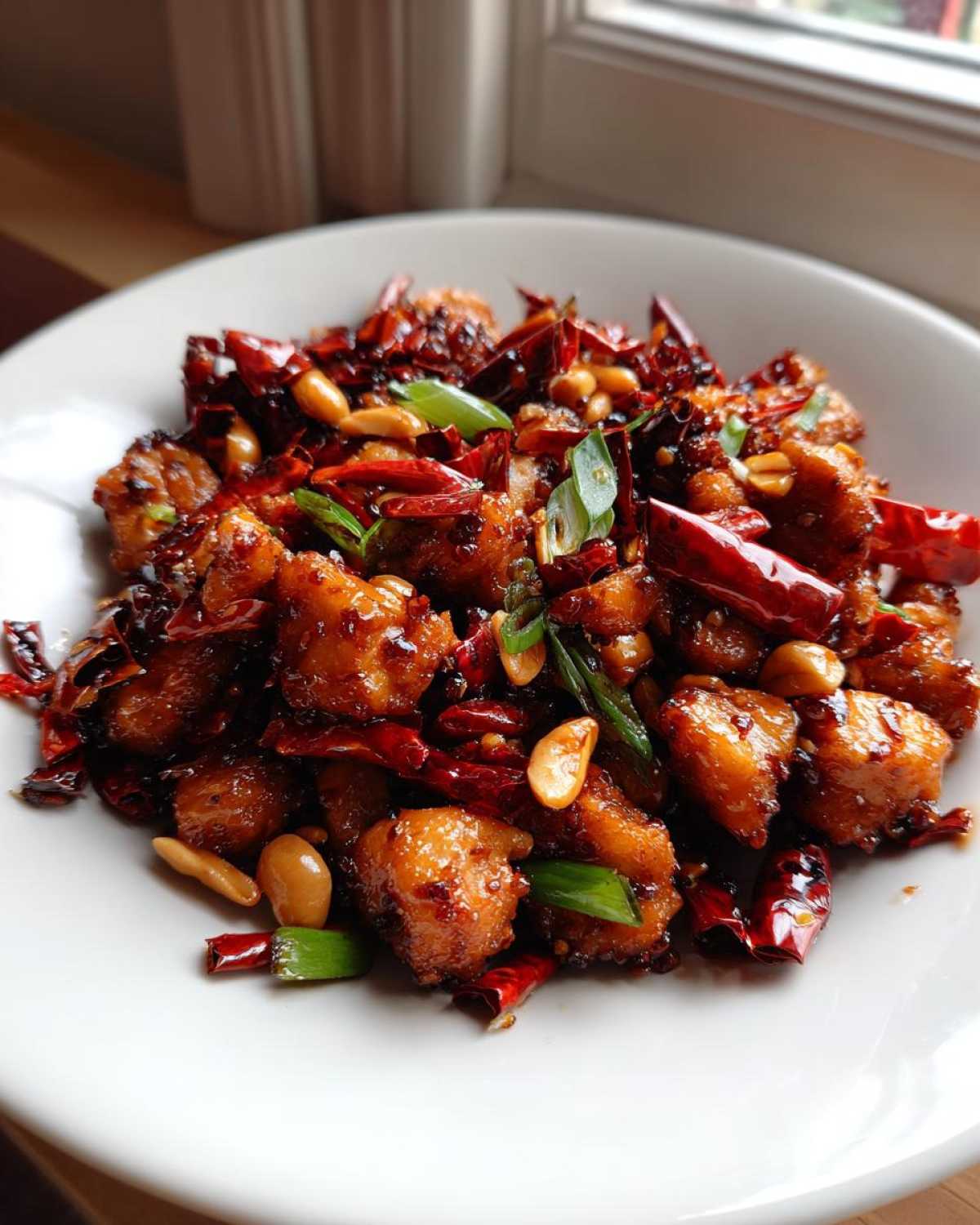
Get your wok or big skillet hot over medium-high heat with the avocado oil. Cook that seasoned chicken until it’s nicely browned all over, about five to seven minutes, then scoop it out onto a warm plate. Now, turn the heat down just a touch to medium. Toss in your dried chili peppers—watch them closely! They should only take about 30 seconds to become fragrant. Be careful not to let them burn or they turn bitter, oops! Next, add your garlic and ginger and stir for just 30 seconds until you can really smell them. Return the chicken to the wok, and here’s the moment: pour that prepared sauce right over everything. Stir constantly! Because of the xanthan gum, you’ll notice it coating and thickening almost immediately—it only takes a minute or two to get that perfect sticky glaze on your **Keto Kung Pao Chicken**.
Finally, stir in your peanuts and the white parts of the scallions, cook for one last minute, kill the heat, and drizzle on that teaspoon of sesame oil for shine. Garnish with the green tops, and dinner is served! If you’re looking for other healthy options that are just as fast, you must try my recipe for chicken lettuce wraps—they use similar clean ingredients. And don’t forget my quick soup recipe for a starter: quick, easy 10-minute egg drop soup!
Expert Tips for Perfect Keto Kung Pao Chicken
Look, I’m not going to lie; adapting classic stovetop dishes for keto takes a little finesse. But once you know these little tricks, you won’t even think about the sugar anymore! Getting the balance right in your spices and mastering that low-carb thickening agent elevates this from good to absolutely outstanding **Keto Kung Pao Chicken**. These techniques are what I use every time to make sure my **low carb stir fry chicken** is restaurant-quality!
-
Adjusting Heat and Spice Levels
Those dried red chilies bring the fire, but you are totally in control here! If you’re nervous about the heat level or you’re serving someone who doesn’t like too much spice, just cut those peppers open and scoop out all the seeds before you toss them in the wok. Removing the seeds drastically mellows the heat without losing that lovely, smoky chili flavor signature to Kung Pao. Don’t be afraid to use fewer peppers overall if you need to dial it way back!
-
Controlling the Sauce Thickness in Your Keto Kung Pao Chicken
Xanthan gum is a miracle, but sometimes it needs a little nudge, especially depending on how much liquid is in your final mix. If you pour in the sauce and it seems a little thin—more like soup than a sticky glaze—don’t panic! This is what I do: quickly mix another quarter teaspoon of xanthan gum with about a teaspoon of cold water in a tiny cup to make a slurry. Then, drizzle that slurry into your wok *while it’s simmering* and stirring constantly. It will tighten up almost instantly! This little move guarantees that perfectly clingy coating on every piece of chicken.
Mastering the thickness makes all the difference in achieving that desired takeout texture. If you’re looking for other great sauces, you have to check out my copycat burger sauce next week—it’s surprisingly low-carb too!
Ingredient Substitutions for Low Carb Stir Fry Chicken
I know not everyone has the exact same pantry staples, so let’s chat about making smart swaps so you can still enjoy this amazing **low carb stir fry chicken** flavor profile! When you are keeping things keto, the main concern is avoiding hidden sugars and starches hiding in things like commercial sauces or vinegars. But when it comes to replacing the primary flavor bases, you have plenty of room to maneuver.
-
Sweetener Choices Beyond Erythritol
If erythritol gives you any trouble, don’t sweat it! You can absolutely substitute it with allulose, which browns beautifully, or a liquid stevia blend for sweetness. Just take it slow—start by adding half the amount the recipe calls for, whisk it into your sauce, and taste test for that sweetness level before adding more. Nobody wants a dessert-tasting Kung Pao!
-
Peanut-Free Adaptations
What if you have a nut allergy or just ran out of those roasted peanuts? That’s fine! The peanuts give a lovely crunch, so we need to replace that texture. I highly recommend using toasted sesame seeds—they offer a fantastic nutty note without peanuts. Alternatively, if you can handle tree nuts, roughly chopped macadamia nuts are amazing because they stay nicely firm even after being tossed in the hot wok. Try these ideas out in your next batch of **keto Chinese food recipes**!
For more tips on keeping ingredients clean and fresh while still getting that creamy texture you sometimes miss when cutting carbs, you should peek at the ingredients in my avocado egg salad!
Serving Suggestions for Keto Kung Pao Chicken
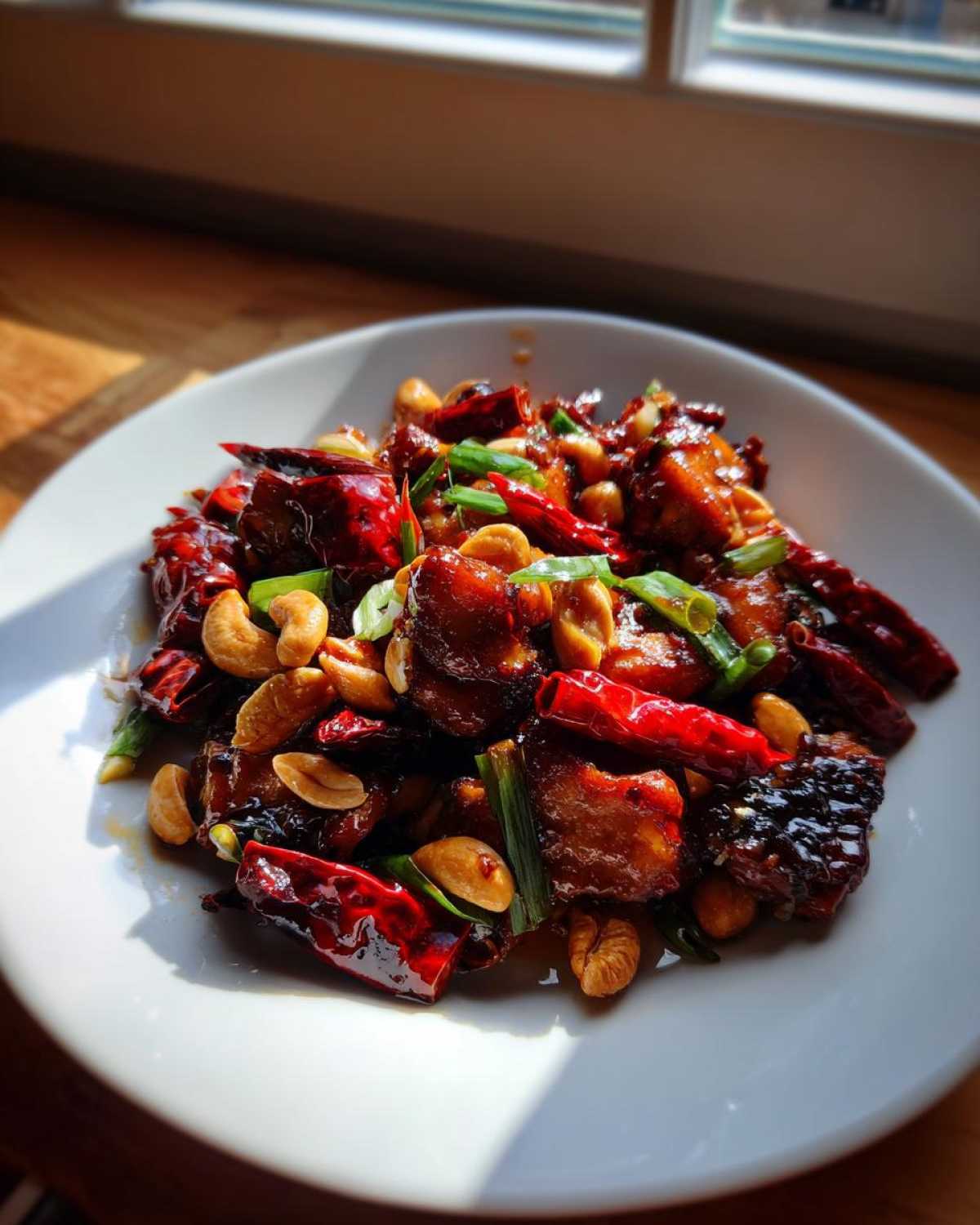
When you pull this vibrant **Keto Kung Pao Chicken** off the heat, you need something sturdy and low-carb underneath to soak up all that amazing sauce. Cauliflower rice is my standard go-to; it feels right under this Asian dish. For those looking for other great **keto Asian dinner ideas**, serving this next to some simple steamed bok choy or a side of shirataki noodles works wonders too. If you’re trying to skip the cauli-rice just once, check out how fluffy my rice pilaf can get, even though this chicken is keto-friendly!
Storage and Reheating Instructions for Asian Chicken Recipes No Sugar
One of the best parts about making a big batch of stir-fry is knowing you have leftovers ready for lunch the next day! This **Asian chicken recipe with no sugar** stores really well, which is great for your planning. When you’re done eating, make sure the chicken cools down fully before you put it away. I always use glass containers with airtight lids for storage because they keep the moisture locked in.
You should get about three to four days out of these leftovers stored correctly in the fridge. If you’re doing some serious **quick keto meal prep chicken** prepping over the weekend, feel free to freeze individual portions! Just use freezer-safe bags or containers. When freezing, the peanuts might get a tiny bit softer upon reheating, but honestly, it’s still delicious.
Now, reheating is where you need to show a little care to keep that sauce from getting weird. If you can, avoid the microwave! The high heat can sometimes make the sauce break or rubberize the chicken slightly. If you must use the microwave, do it in short, 30-second bursts, stirring well between each one, and use about 50% power.
My absolute favorite way to bring this back to life, though, is on the stovetop. Toss the cooled keto Kung Pao Chicken into a non-stick skillet over medium heat with just a splash of water or broth—maybe a teaspoon or two. Stir it gently as it heats up. This steam rehydrates the sauce and warms the chicken evenly without drying it out. It tastes almost freshly made! Remember, you can see my full guide on making meal prep chicken simple if you’re looking for more make-ahead ideas!
Frequently Asked Questions About Keto Kung Pao Chicken
I always get so many questions once people try making this, which is a good sign, right? It means you’re excited to make sure this turns out perfect! Here are a few things I hear most often when people are diving into **keto Chinese food recipes** like this one.
-
What is the net carb count for this Keto Kung Pao Chicken?
That’s the million-dollar question when we’re sticking to macros! Based on the ingredients listed, we are looking fantastic here. Each serving of this **Keto Kung Pao Chicken** comes in at about 7 net carbs. That accounts for the 10 total grams of carbs minus the 3 grams of dietary fiber we get from the peanuts and vegetables. It’s a super satisfying win for any dinner on your low-carb plan!
-
Can I use chicken breast instead of thighs in this low carb stir fry chicken?
Yes, absolutely! Chicken breast is a perfectly good lean swap if that’s what you have on hand or prefer. However, because chicken breast is leaner, it can dry out much faster in the high heat of a wok than the thighs. My advice? When using breast meat, try to reduce your main cooking time by just a minute or two, and make sure you don’t overcook it before adding the sauce back in. The sauce will help bring moisture back!
-
Is this recipe suitable for diabetic friendly chicken dishes?
In general, yes, this is a wonderful option for **diabetic friendly chicken dishes** because we’ve completely eliminated refined sugars and starches like cornstarch, which can spike blood sugar quickly. Since we are using keto sweeteners, it drastically changes how your body processes the dish! That said, everyone manages their diet differently, so I always recommend checking with your doctor or nutritionist regarding specific sweeteners like erythritol, just to ensure it works with your personal tolerance levels. You can read my general site disclaimer here if you have any concerns!
Nutritional Snapshot: Keto Kung Pao Chicken Estimates
I know you’re tracking your macros, because that’s just part of the keto lifestyle, right? While this tastes like restaurant magic, the numbers stack up perfectly for a low-carb meal. Since we’re using whole foods and specific keto-friendly swaps for the sauce, you get big flavor without the carb consequences. Here’s the breakdown per serving for our **Keto Kung Pao Chicken**.
Please keep in mind that these numbers are just estimates! What brand of tamari you use or exactly how much sweetener you shake into the sauce will change things slightly, so use this as a baseline for your tracking. It’s always best to plug in the exact items you have on hand.
- Serving Size: 1 serving
- Calories: 380
- Fat: 22g
- Saturated Fat: 4g
- Unsaturated Fat: 18g
- Trans Fat: 0g
- Carbohydrates: 10g
- Fiber: 3g
- Sugar: 3g
- Protein: 35g
- Sodium: 450mg
- Cholesterol: 105mg
See? Thirty-five grams of protein and only 7 net carbs per plate! That’s what I love about making your own **Asian chicken recipes no sugar**—you control every single bit of what goes in there. Enjoy knowing you’re eating a flavorful, healthy, and perfectly keto-compliant dinner!
PrintKeto Kung Pao Chicken
A low-carb, sugar-free version of classic Kung Pao Chicken using keto-friendly thickeners and sweeteners for an authentic flavor profile.
- Prep Time: 15 min
- Cook Time: 15 min
- Total Time: 30 min
- Yield: 4 servings
- Category: Dinner
- Method: Stir-Frying
- Cuisine: Chinese
- Diet: Low Fat
Ingredients
- 1.5 lb boneless, skinless chicken thighs or breasts, cut into 1-inch cubes
- 1 tablespoon avocado oil or coconut oil
- 1/2 cup unsalted, dry roasted peanuts
- 1/2 cup dried red chili peppers (like Arbol or Thai chilies), cut into 1-inch pieces
- 1/4 cup scallions, white and green parts separated and chopped
- 1 tablespoon fresh ginger, minced
- 2 cloves garlic, minced
- 1 teaspoon sesame oil
- Salt and black pepper to taste
- For the Keto Sauce:
- 3 tablespoons tamari or coconut aminos
- 2 tablespoons rice vinegar (ensure it is sugar-free)
- 1 tablespoon erythritol or monk fruit sweetener
- 1 teaspoon xanthan gum
- 1/2 teaspoon ground white pepper
- 1/4 cup chicken broth
Instructions
- In a medium bowl, toss the cubed chicken with salt and pepper.
- Prepare the keto sauce by whisking together the tamari, rice vinegar, sweetener, xanthan gum, white pepper, and chicken broth in a small bowl until the xanthan gum is fully dissolved and no lumps remain. Set aside.
- Heat the avocado oil in a large skillet or wok over medium-high heat. Add the chicken and cook until browned and cooked through, about 5-7 minutes. Remove the chicken and set it aside.
- Reduce the heat to medium. Add the dried chili peppers to the wok and stir-fry for about 30 seconds until fragrant. Do not let them burn.
- Add the minced ginger and garlic to the wok and cook for 30 seconds until aromatic.
- Return the cooked chicken to the wok. Pour the prepared keto sauce over the chicken and stir constantly. The sauce will thicken quickly due to the xanthan gum. Cook for 1-2 minutes until the chicken is coated.
- Stir in the peanuts and the white parts of the scallions. Cook for another minute.
- Remove the wok from the heat. Drizzle with sesame oil and toss.
- Garnish with the green parts of the scallions before serving over cauliflower rice or enjoy as is.
Notes
- If you prefer a thicker sauce, add another 1/4 teaspoon of xanthan gum mixed with a teaspoon of cold water before adding it to the wok.
- Use dried chili peppers sparingly if you prefer less heat. Remove the seeds for a milder flavor.
- Ensure your rice vinegar does not contain added sugar, as many brands do.
Nutrition
- Serving Size: 1 serving
- Calories: 380
- Sugar: 3
- Sodium: 450
- Fat: 22
- Saturated Fat: 4
- Unsaturated Fat: 18
- Trans Fat: 0
- Carbohydrates: 10
- Fiber: 3
- Protein: 35
- Cholesterol: 105