

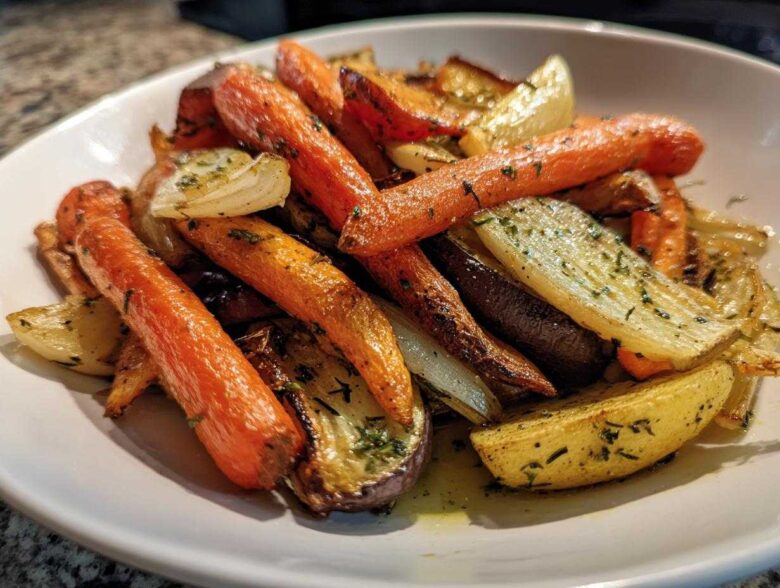
Oh my gosh, have I got a game-changer for you today! If you’re tired of pulling trays out of the oven only to find sad, steaming, mushy vegetables, stop right there. We are going to conquer the dreaded soggy side dish forever. This isn’t just another dump-and-bake recipe; this is the ultimate guide to making truly amazing roasted vegetables with edges that crackle when you bite into them, yet the inside is perfectly tender. I spent years fighting with my oven until I figured this out. Now, if you stick with me, you’ll find the key to success is all in the technique. You can check out more great recipes over on my main blog page for even more inspiration!
Why This Is the Best Roasted Vegetables Guide for Crispy Results
Honestly, I used to think all roasted vegetables were supposed to be a little limp. I was so wrong! If you want that beautiful, slightly crispy edge and that wonderful, deep caramelization, you absolutely need high heat—and I mean *high* heat. This is why I call this my best roasted vegetables guide. We are skipping that lukewarm temperature zone where vegetables just stew in their own juices. Steaming is the enemy of crunch, folks!
The secret weapons are the 425°F oven temperature and making sure everything gets enough room to breathe. I share some more in-depth thoughts on oven setting strategy over on my guide to oven roasting tips for vegetables, but for now, just trust me on the heat.
Understanding Temperature and Timing for Perfect Roasted Vegetables
Think about it: lower oven temperatures (like 350°F) give the water inside your vegetables plenty of time to escape slowly, turning your tray into a makeshift steamer. Yuck! By blasting the heat up to 425°F, we force that moisture out fast while quickly browning the outside. That quick browning is what gives you flavor and texture!
This high heat is perfect for getting those fantastic roasted vegetables edges. However, you do have to pay attention to timing based on what you’re cooking. Hard root vegetables like potatoes or carrots need longer upfront time than soft guys like bell peppers or zucchini. We’ll cover how to mix and match different veggies later on, but remember: high heat for crispness is non-negotiable!
Essential Ingredients for Flavorful Roasted Vegetables
Okay, let’s talk about what actually goes onto those beautiful veggies before they hit the heat. The beauty of roasted vegetables is that they don’t need much fuss, but the few things you use absolutely have to be right. We are keeping this simple so it works for those busy weeknights, but trust me, great ingredients make all the difference when you’re aiming for incredible flavor!
For a standard batch that feeds four, I always start with about 2 pounds of mixed veggies. Chop everything—whether it’s broccoli, carrots, or chunky potato pieces—to roughly the same bite-size. If you’re making dips later, you should check out my garlic aioli recipe!
Seasoning Roasted Vegetables: The Flavor Foundation
For the basic coating, you’ll need 3 tablespoons of good olive oil. Don’t skimp here; the oil is what carries the heat and gets things crisping. Then, keep it classic: 1 teaspoon of salt, half a teaspoon of pepper, 1 teaspoon of garlic powder, and half a teaspoon of dried herbs, like oregano or thyme. My number one rule for seasoning roasted vegetables? Oil first, then salt! The salt adheres better to the oil than to dry vegetable skin, ensuring every surface is perfectly seasoned before it roasts away.
How to Roast Vegetables Perfectly: Step-by-Step Instructions
Alright, this is where we put the plan into action! If you follow these steps exactly, you’ll never have to suffer through watery roasted vegetables again. It’s not complicated, but precision with the prep makes all the difference. We are going to get those amazing golden-brown spots!
First things first: crank that oven up! Preheat it to 425°F. Seriously, don’t be shy. Getting the pan hot before the veggies even go in helps kickstart that beautiful caramelization right away. If you need an extra flavor boost later, I have a recipe for easy homemade garlic butter that’s incredible drizzled on top after they cool slightly.
Preparation Steps for Uniform Roasted Vegetables
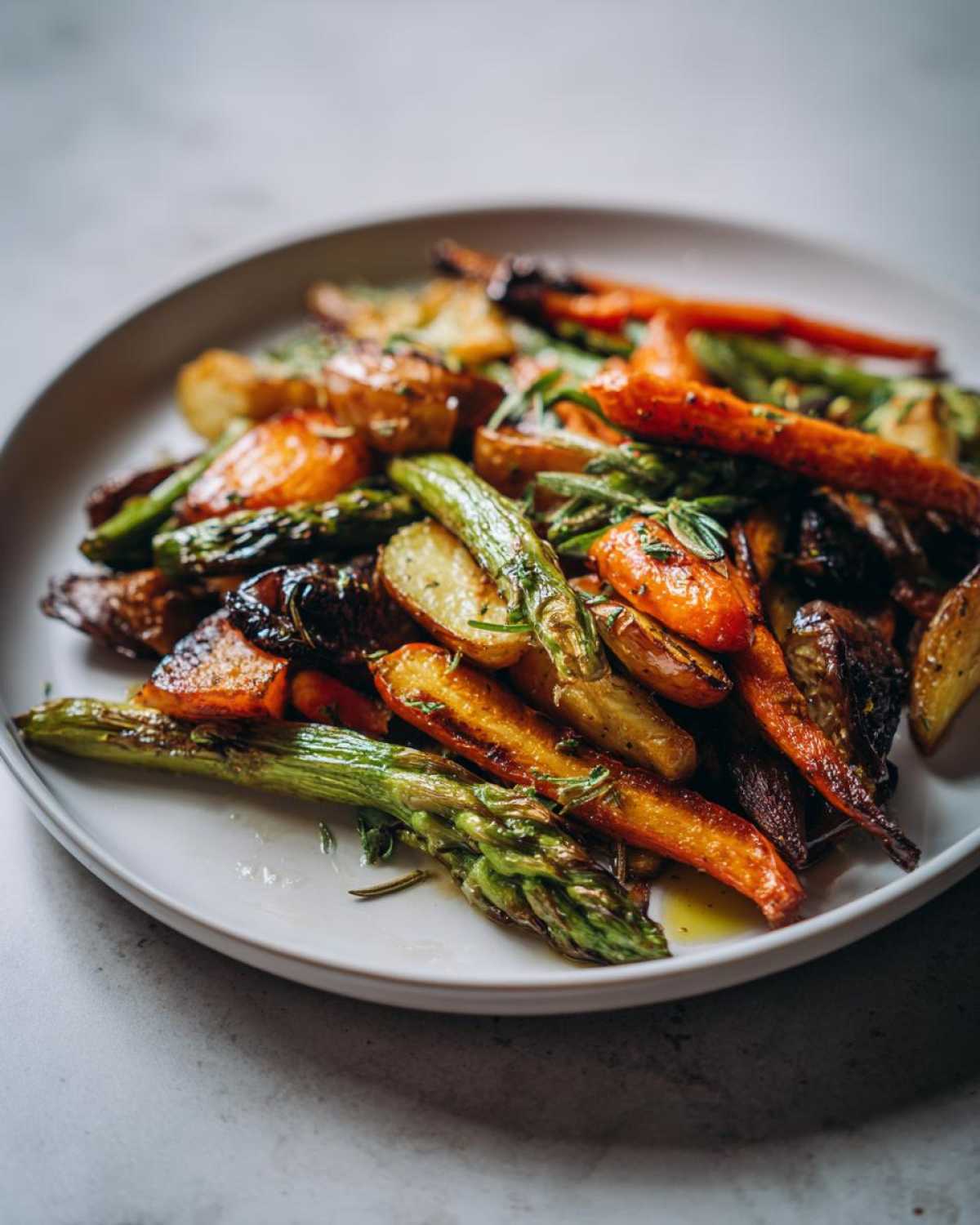
This is the crucial prep work for the crispy roasted vegetables technique. You must wash and chop all your vegetables into roughly the same size. If you have massive chunks of potato next to tiny florets of broccoli, guess what? One will be burnt and one will be raw. Nobody wants that tragic situation! Also, make sure they are patted dry after washing—moisture is the enemy of crispness, remember?
Once they are chopped and dry, toss them in that big bowl with your oil and seasonings until every single piece looks nice and glossy. That uniform coating is what helps everything crisp up evenly.
The Roasting Process: Achieving Caramelized Vegetables Tutorial
Now comes the part that separates the mediocre from the magnificent: the pan layout. You must spread your seasoned veggies out in a single layer on a rimmed baking sheet. If they are piled up or overlapping, they will steam, and we will be back to square one with mushy results. If you have to use two pans to keep them separated, please do it! Overcrowding ruins everything.
Slide them into that hot 425°F oven for about 20 to 35 minutes total. About halfway through, give them a good toss or flip so the other side gets some direct heat. You’re looking for that perfect state: fork-tender on the inside and sporting those browned, slightly smoky edges that signal true success in your caramelized vegetables tutorial. These flavorful roasted vegetables are almost ready!
Tips for the Ultimate Crispy Roasted Vegetables Technique
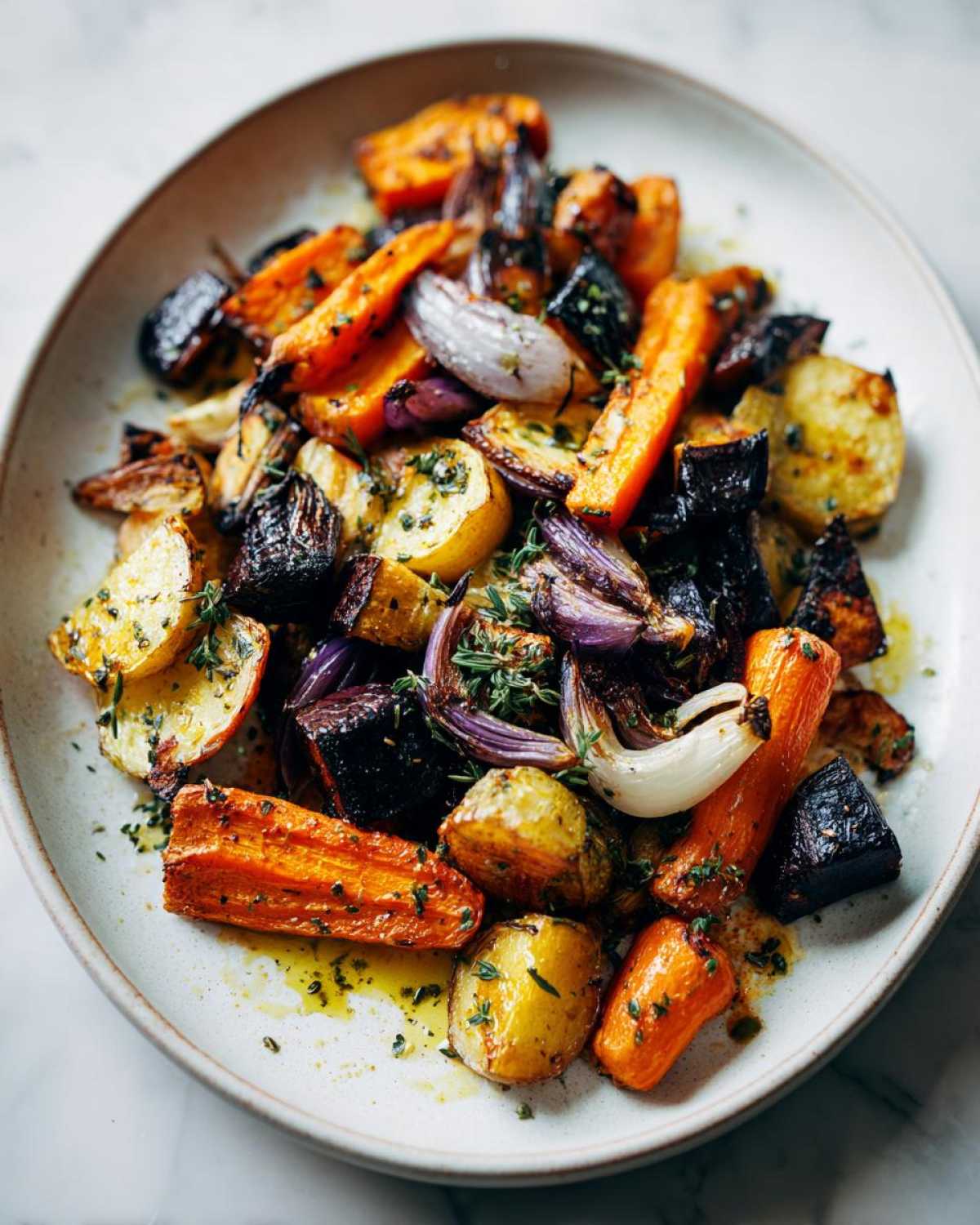
So, you’ve nailed the high heat and the single layer—that’s 80% of the battle won for that amazing crispy roasted vegetables technique! But I learned a few little tricks over the years that really push these over the edge. It’s all about managing moisture and making smart choices about your baking equipment. If you’re really serious about achieving maximum crispiness, make sure you check out the deeper dive I wrote on oven roasting tips for vegetables.
My biggest tip regarding the pan itself? While parchment paper is so tempting because it cuts down on scrubbing later—which, let’s be honest, we all love—it actually acts as a barrier. If you want absolute, rock-solid contact between the vegetable and that hot metal for the best browning, skip the parchment for your most important batches of roasted vegetables. The metal tray conducts the heat straight into the vegetable faster.
Ingredient Adjustments for the Best Roasted Vegetables
When you’re making a big vegetable medley oven roast, you can’t just throw everything on at once, trust me. Carrots and potatoes are dense; they need a head start. If I’m mixing those deep root veggies with something fast-cooking like thin asparagus or zucchini slices, I give the hard stuff a 10-minute head start in the oven alone.
Once those root veggies firm up a bit and are halfway done, *then* I pull the pan out (carefully!) and toss in the softer items, re-oil them slightly if they look dry, and pop the whole pan back in to finish. This staggering ensures all your roasted vegetables finish cooking at the exact same time, giving you that perfect, consistent texture throughout the entire medley.
Easy Roasted Vegetables Recipe Variations: Flavor Profiles
The base recipe we just covered is fantastic—it’s my go-to for boring Tuesdays. But trust me, once you master that technique, you’ll want to play around! The real fun with roasted vegetables is playing with flavor profiles. Since the preparation is so reliable now, you can introduce bolder seasonings and sweet glazes without worrying about turning everything to mush. These variations make even the simplest weeknight vegetable sides feel special.
If you love those really savory, herbaceous vegetables, you absolutely have to check out my recipe for best honey garlic roasted carrots for inspiration, but we can easily adjust our main mix!
Creating Garlic Roasted Vegetables Recipe
If you want to maximize the garlic flavor in your standard roasted vegetables recipe, there’s a catch. Fresh garlic burns so easily at 425°F, and burnt garlic tastes bitter, which ruins the entire pan! My trick for making incredible garlic roasted vegetables recipe additions is to wait until the last five minutes of roasting time.
When you flip the vegetables halfway through, squeeze about 3 or 4 cloves of fresh garlic right onto the pan, toss it quickly right there on the hot sheet, and get them back in the oven. That quick blast of heat seasons them perfectly without burning them to charcoal!
Simple Maple Dijon Roasted Vegetables
This is my favorite way to dress up my simple oven roasted sides when company is coming—it’s sweet, tangy, and caramelizes gorgeously! This riff on the basic seasoning is perfect for that maple dijon roasted vegetables flair. Right before you toss your veggies in the oil and spices, add 1 tablespoon of good maple syrup and 1 teaspoon of Dijon mustard to the bowl.
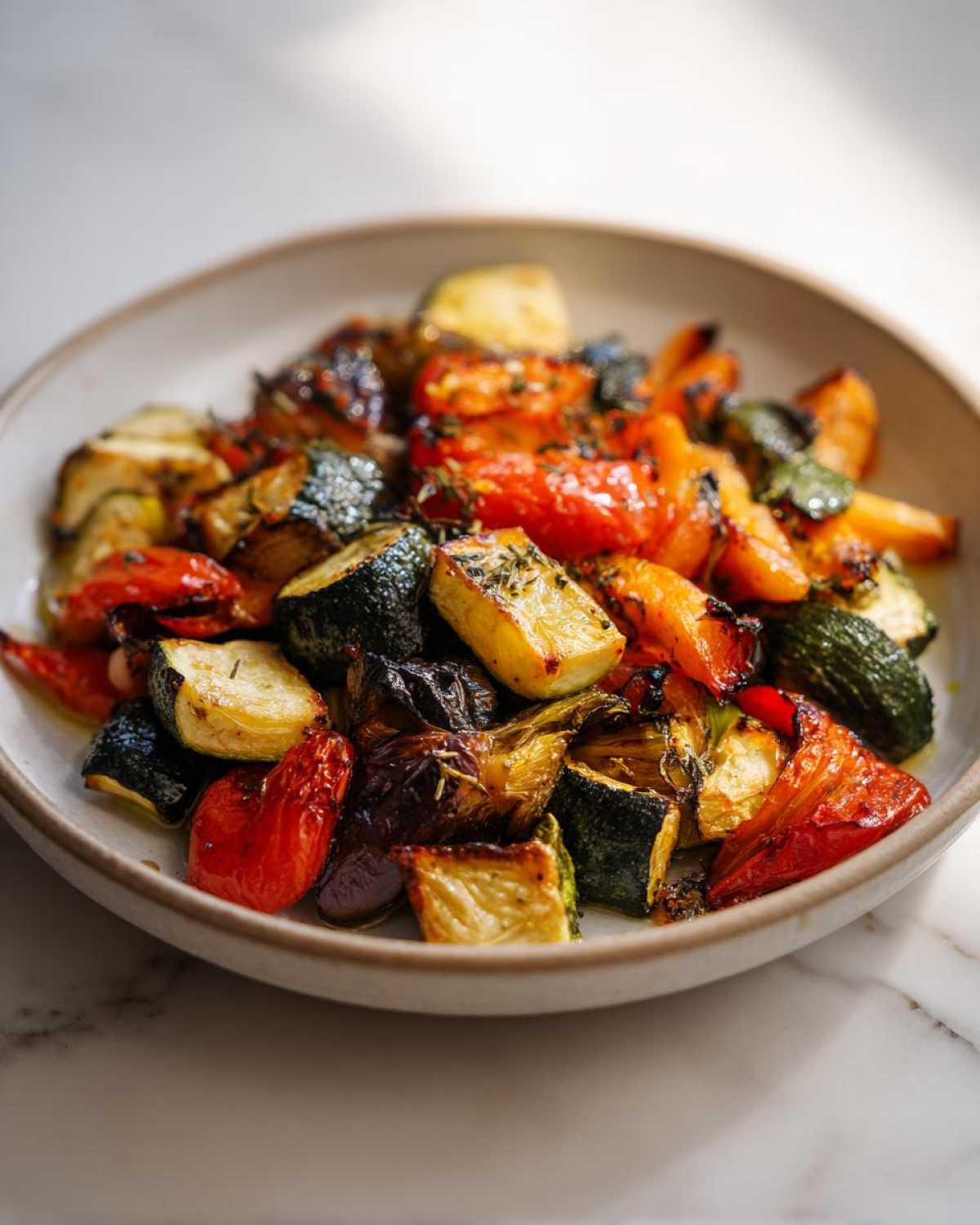
Make sure you coat everything evenly! The sugar in the maple syrup encourages deeper browning, and the Dijon mustard breaks down nicely into a light, tangy coating you can’t beat. It’s an easy upgrade that makes these roasted vegetables taste gourmet!
Serving Suggestions for Your Vegetable Medley Oven Roast
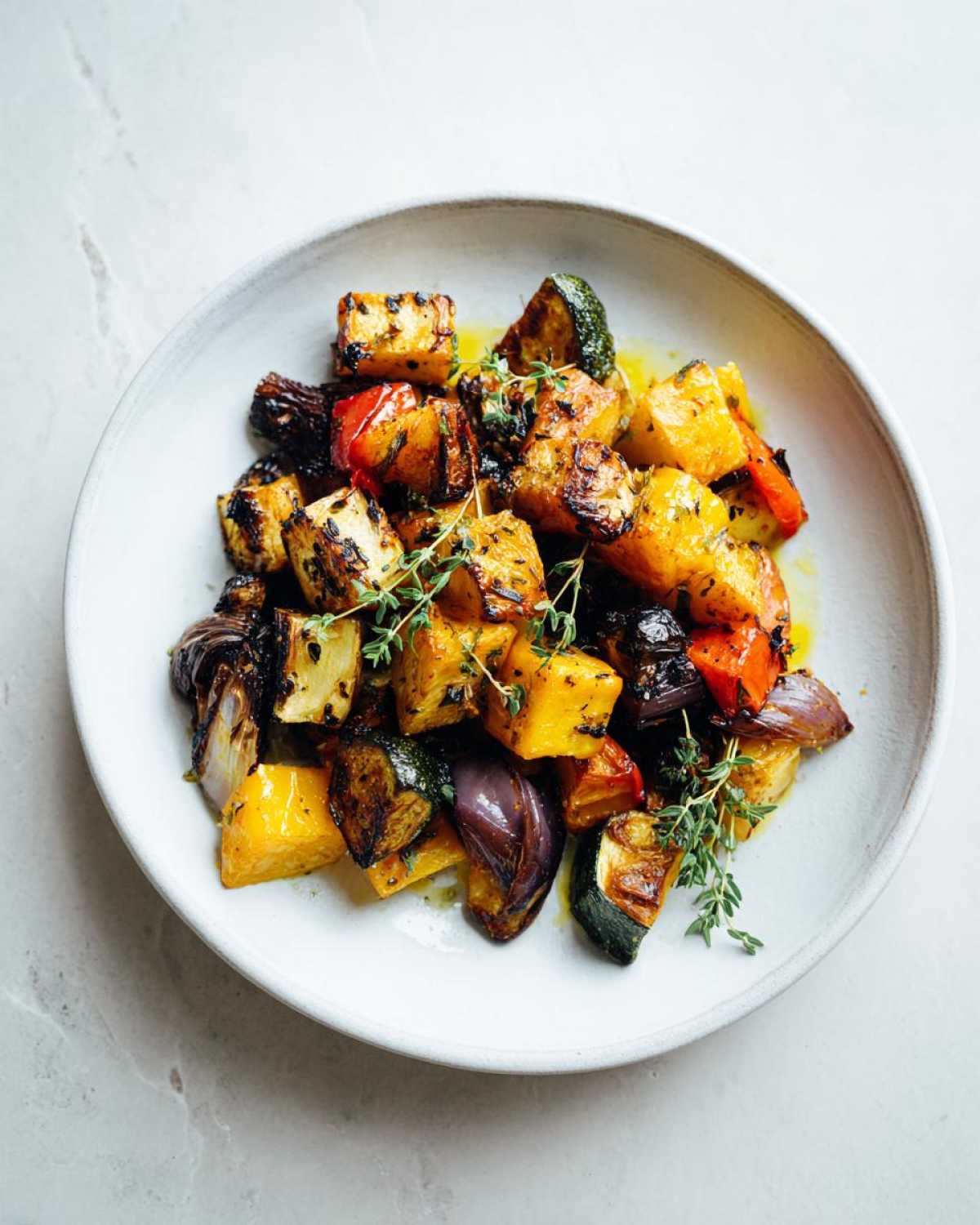
Once you’ve mastered this technique, you’ll find yourself making these roasted vegetables constantly! They are truly the most versatile side dish you can have in your arsenal. They stand up beautifully next to rich roasted chicken or a simple pan-seared salmon fillet. Honestly, anything you roast, they complement perfectly.
If you’re keeping things meatless but want a hearty bowl, pile these flavorful veggies on top of a grain base. They’re amazing over quinoa or, even better, mixed right into a simple, fluffy pilaf—I have a fantastic recipe for easy side rice pilaf that works perfectly here. The blend of flavors in your vegetable medley oven roast means you barely need to worry about extra sauces; let those caramelized bits do the talking!
Storage and Reheating Roasted Vegetables
Here’s the honest truth: leftovers are great, but only if you treat them right! If you manage to have any roasted vegetables left over, store them in an airtight container in the fridge. Don’t leave them out too long; nobody wants sad, slimy veggies the next day. I actually use my leftovers later for things like a hearty chicken vegetable soup, but if you want them crispy?
Forget the microwave! The microwave is the ultimate speed-dial for mushy food—it heats the water molecules and turns your gorgeous caramelization into steam city. To resurrect that crispness, you need high, dry heat again. Spread them out on a baking sheet and pop them back into a 400°F oven for about 8 to 10 minutes. If you have an air fryer, even better—a quick 5 minutes will crisp them up beautifully. This is how we ensure we have no more mushy roasted vegetables!
Frequently Asked Questions About Roasted Vegetables
I figured you might have a few lingering questions about making the most glorious roasted vegetables that hold up well! It’s normal when you’re trying to master a technique. We want maximum caramelization and zero sad, mushy spots. If you’re wondering what great things you can do with the finished product, I wrote a little something on how to use roasted vegetables once they’re done!
What are the best vegetables for roasting?
Honestly, the oven loves root vegetables and cruciferous ones the most! They have the structure needed to handle that initial blast of high heat. If you ask me, you can never go wrong with Brussels sprouts, sweet potatoes, carrots, broccoli florets, and good old cauliflower. They all crisp up beautifully and soak up those seasonings so well.
Can I make these vegan roasted vegetables?
That’s the fantastic part—this recipe is naturally totally plant-based! As long as you stick to olive oil (or another vegan oil) and skip any cheese toppings, these are wonderfully vegan roasted vegetables. It’s such a simple, hearty, and healthy vegetable side dish that everyone can enjoy!
How do I prevent my roasted vegetables from getting soggy?
Okay, this is the million-dollar question, right? If you remember nothing else, remember these two rules: One, you absolutely must use high heat—425°F is your friend. Two, never, ever overcrowd your pan! If your vegetables are touching or stacked up, they steam. Keep them in a single layer for that non-soggy goodness. Following this crispy roasted vegetables technique will save you every time!
Estimated Nutritional Data for Roasted Vegetables
Now, before we wrap up, I want to talk a little bit about what you’re putting into your body! Since we are talking about healthy vegetable side dishes here, it’s important to know the basics. I pulled together the estimated nutritional information for one serving based on the recipe we just made. Remember, these numbers are just my best guess based on the ingredients I use, like the specific olive oil or the natural sugar content in my carrots. If you use different oils or add maple syrup like we discussed, these numbers will shift a bit!
This simple recipe is fantastic because it keeps things clean, focusing mainly on fiber and healthy fats. You can find the full breakdown below:
- Calories: Around 150
- Fat: About 9 grams (Mostly the good stuff from the olive oil!)
- Carbohydrates: Roughly 15 grams
- Protein: About 3 grams
It’s a light but satisfying side dish; you won’t feel weighed down at all. If you’re looking for more genuinely healthy veggie options, make sure you browse my collection of healthy vegetable side dishes!
Share Your Perfect Roasted Vegetable Creations
Whew! We made it through the secrets to crispy, flavorful roasted vegetables! I really hope this simplifies your weeknight cooking. Now that you have the ultimate guide for oven roasting perfection, I am dying to know how they turned out for you!
Did you finally achieve that beautiful caramelization without any dreaded mushiness? I want all the details! Please, if you loved this recipe and found success avoiding that soggy situation, hit the 5-star rating button right above this section. It seriously helps me know what kind of techniques and recipes you want to see next.
And don’t be shy in the comments below! What’s your favorite vegetable medley combination? Are you a broccoli and sweet potato fanatic, or are you throwing in different spices? Maybe you’ve got a secret seasoning blend that beats my basic herbs. Share your favorite seasoning ideas for the next batch of roasted vegetables! I read every single comment and I love seeing what you all come up with in your own kitchens!
PrintThe Ultimate Guide to Perfectly Roasted Vegetables
Learn the simple technique for roasting vegetables to achieve tender interiors and crispy, caramelized edges every time, avoiding sogginess.
- Prep Time: 15 min
- Cook Time: 30 min
- Total Time: 45 min
- Yield: 4 servings
- Category: Side Dish
- Method: Oven Roasting
- Cuisine: General
- Diet: Vegan
Ingredients
- 2 lbs mixed vegetables (e.g., broccoli, carrots, potatoes, bell peppers)
- 3 tablespoons olive oil
- 1 teaspoon salt
- 1/2 teaspoon black pepper
- 1 teaspoon garlic powder
- 1/2 teaspoon dried herbs (like thyme or oregano)
Instructions
- Preheat your oven to 425 degrees Fahrenheit (220 degrees Celsius). High heat is key for crispness.
- Wash and chop all vegetables into uniform, bite-sized pieces. Keep pieces similar in size for even cooking.
- Place the chopped vegetables in a large bowl. Drizzle with olive oil.
- Sprinkle the salt, pepper, garlic powder, and dried herbs over the vegetables. Toss well until every piece is lightly coated.
- Spread the seasoned vegetables in a single layer on a large, rimmed baking sheet. Do not overcrowd the pan; use two sheets if necessary. Crowding causes steaming, leading to mushy vegetables.
- Roast for 20 to 35 minutes, flipping the vegetables halfway through the cooking time. Cooking time varies based on the density of the vegetables used.
- Remove from the oven when the vegetables are tender when pierced with a fork and have browned, caramelized edges. Serve immediately.
Notes
- For extra flavor, toss with 1 tablespoon of maple syrup and 1 teaspoon of Dijon mustard before roasting for a maple dijon profile.
- If using root vegetables like potatoes or carrots, cut them slightly smaller than softer vegetables like zucchini or peppers, or start them roasting 10 minutes before adding the softer items.
- Use parchment paper on your baking sheet for easier cleanup, but avoid lining the pan if you want maximum crisping contact with the metal.
Nutrition
- Serving Size: 1 serving
- Calories: 150
- Sugar: 4
- Sodium: 450
- Fat: 9
- Saturated Fat: 1
- Unsaturated Fat: 8
- Trans Fat: 0
- Carbohydrates: 15
- Fiber: 4
- Protein: 3
- Cholesterol: 0