

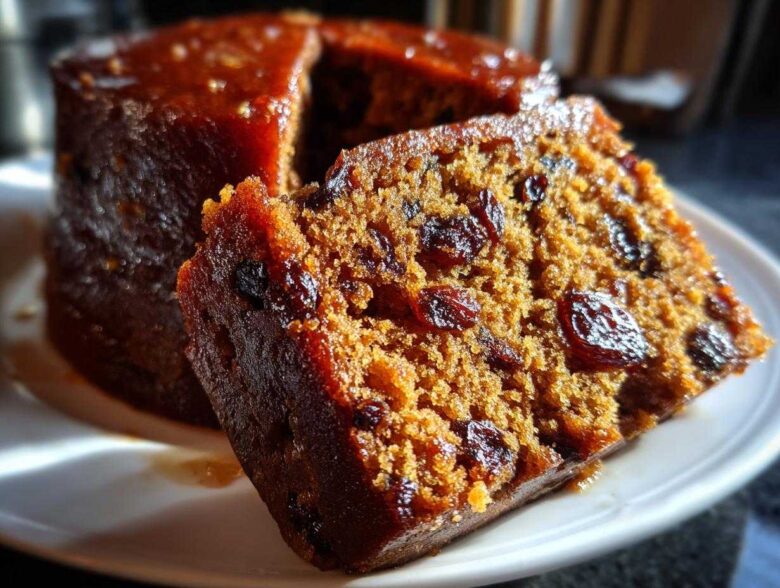
There is absolutely nothing that shouts ‘Christmas’ to me quite like the rich, spice-laden aroma wafting up from a pot where something wonderful has been steaming for hours. Forget baked cakes; we’re diving deep into tradition today with my absolute must-have plum pudding recipe. This isn’t some quick, throw-together dessert. Oh no, this is the real deal—the authentic, dense, boozy English Plum Pudding that you make ahead and let mature until the big day. I remember watching my Aunt Carol carefully tie the coverings on these basins; she swore by the slow steam method, and honestly, after tasting the results, I’m a total convert. Trust me, dedicating a whole afternoon to steaming this beauty is worth every single moment for that unforgettable flavor jackpot. If you love that deep fruit flavor found in a good fruit cake, you are going to adore this!
Why This Traditional Plum Pudding Recipe Works (Festive Fruit Pudding)
People always ask me why I bother with the long steaming process when I could just bake this dessert like a regular cake. Well, honey, that’s the secret sauce! Steaming isn’t just a technique; it’s how you create that intensely rich, moist texture that defines a proper plum pudding. Baking dries things out too fast, but steaming gently cooks the fruit and spirits into the batter over hours. It’s truly magic.
Key Benefits of Our Plum Pudding
- The incredibly long, slow cook allows the spices and brandy/rum to fully meld, deepening the flavor complexity over time.
- Steaming keeps the pudding wonderfully dense and moist—it never gets crumbly like a baked good.
- This recipe is perfect for making way ahead! You cook it once, and it matures beautifully for weeks. You can even freeze it!
It’s the only way to get the historical, traditional taste we remember. If you’re looking for a dessert that truly earns its spot on the table, check out my tips on how to prepare your make-ahead holiday desserts early!
Gathering Ingredients for Your Rich Spiced Pudding
Okay, now that we know why we are steaming, let’s talk about what goes into this incredible batter. Precision really matters here because everything in this recipe has a job to do. You’ll need a proper mix of dried fruit, a little bit of grated apple for that sneaky moisture, and, of course, the spices that give it that deep, warm fragrance. Make sure you have your ingredients measured out exactly as listed before you start mixing!
Ingredient Notes and Substitutions for Plum Pudding
The suet is non-negotiable for authentic texture, but don’t panic if you can’t find beef suet! Just grab vegetarian suet, or you can substitute it with an equal weight of cold, unsalted butter cut into tiny cubes. Also, please don’t skimp on your alcohol. The brandy or dark rum isn’t just for flavor; it’s critical for preservation during the long maturation period. If you aren’t using alcohol, substitute it with strong, cold black tea or stout—but the dark spirits deliver that unmatched festive punch! If you need some topping ideas, check out my recipe for candied pecans, which make a surprising crunchy topping!
Step-by-Step Instructions for the Perfect Steamed Pudding Recipe
Alright, this is where the real commitment begins! Don’t let the 7-hour cook time intimidate you; most of that is hands-off time, but you do need to check in occasionally. First things first: grease your pudding basin until it shines—I use a thick layer of softened butter. This is seriously important for release later! Once your basin is ready, we mix. Remember, this is where we build the texture for our perfect plum pudding, so pay attention to how you combine things!
Preparing the Basin and Mixing the Plum Pudding
Combine all your dry bits—the suet, sugar, fruit, nuts, and spices—in a really big bowl. Get them nicely incorporated first. Then, gently stir in your wet ingredients: the beaten eggs and the stout and brandy or rum mix. I always say, mix just until you don’t see any dry streaks left. Stop right there! Overmixing develops gluten, and we want a tender, dense pudding, not a rubbery bomb. This careful mixing is the biggest secret to achieving that classic moist plum pudding texture.
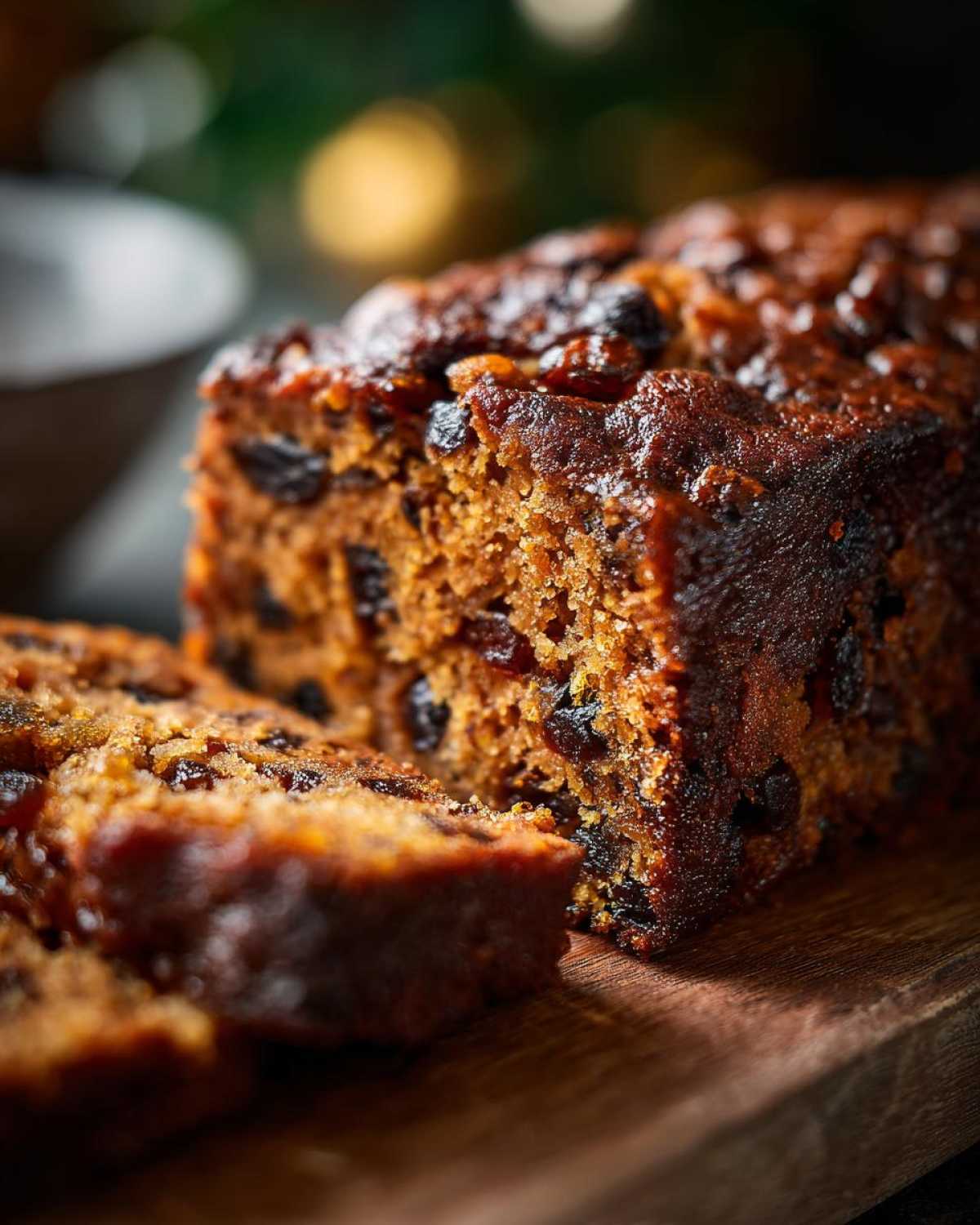
The Steaming Secrets for English Plum Pudding
Once the batter is in the prepared basin, you need to seal it tight—I mean, *really* tight. Use two layers of pleated parchment paper, then two layers of pleated foil on top of that. Tie the string around the rim securely, making a handle loop so you can lift it easily later. Place this sealed bundle into a large pot with boiling water that comes halfway up the side of the basin. Cover the pot tightly and let it steam for six full hours, topping up with fresh boiling water every hour. We are working hard to create that gentle, moist heat only steam can provide! If you’re wondering about other tricky recipes, check out how I handle making easy naan bread; it’s another texture lesson!
Making Ahead and Storing Your Christmas Pudding Recipe
Here’s the best part about this whole affair: you actually *get* to make it early. That’s right, you don’t have to stress on Christmas Eve! Once your pudding has steamed for the full 7 hours, you need to let it cool completely in the basin. Don’t rush this—puddings are delicate when hot. Once it’s totally cold, take off that wet paper and foil. You need to rewrap it using fresh, dry parchment paper, then fresh, dry foil. Seal it up tight!
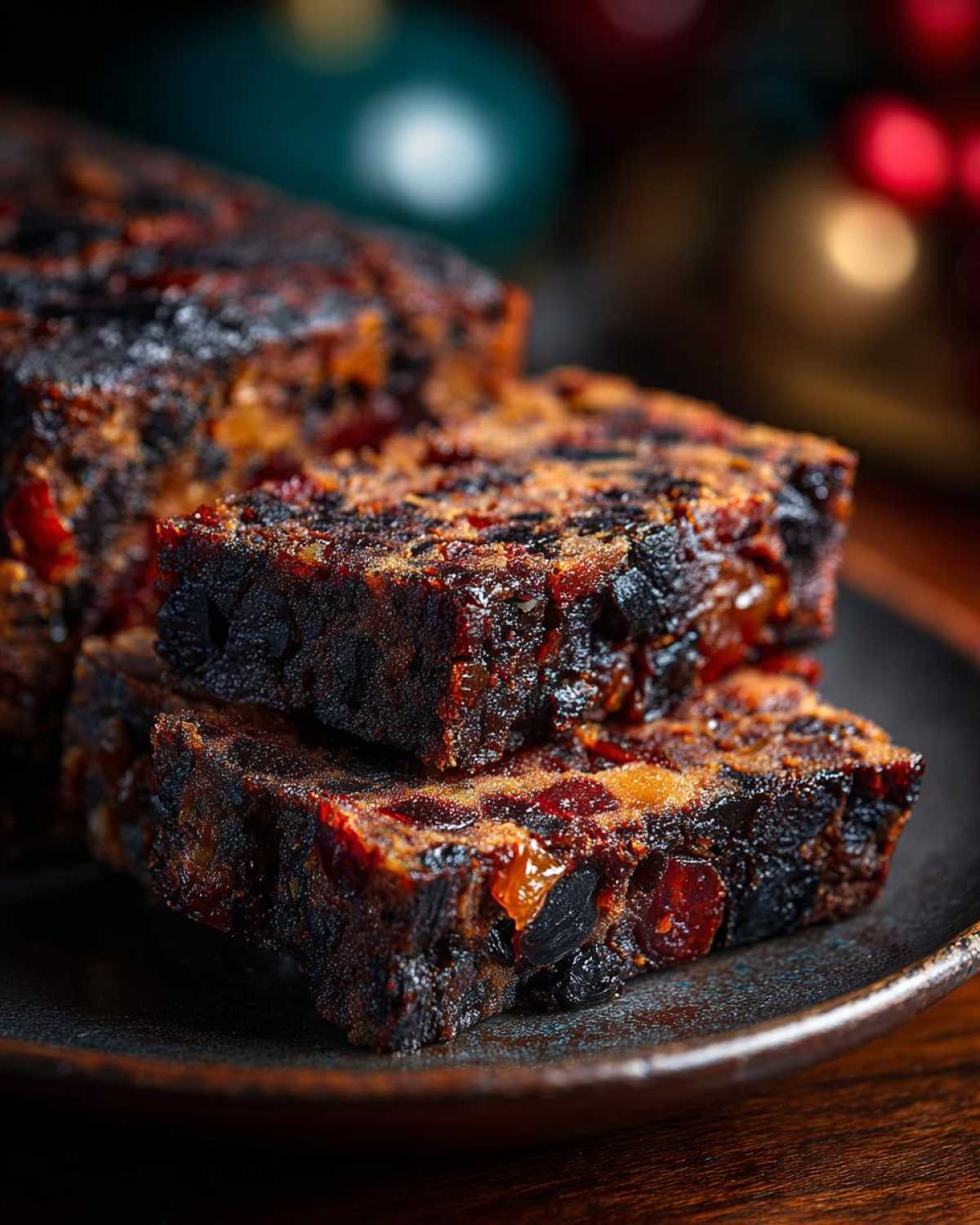
This is the authentic way to handle your Christmas Pudding Recipe. I store mine wrapped like this in a cool, dark pantry for several weeks, or you can freeze it flat, which I prefer if I’m making it months ahead. The maturing process marries those spices and that brandy perfectly. When you finally go to serve it again, just re-steam it for about two hours until it’s hot all the way through. It tastes even better the second time around, I swear!
If you think this preparation sounds daunting, you should see how I handle my fruit cake; that one needs feeding once a week! But don’t worry, this pudding is much more forgiving once it’s wrapped.
Serving Suggestions: Plum Pudding with Brandy Sauce
The pudding itself carries all that amazing weight and spice after steaming, but let’s be honest, it cries out for a creamy, boozy topping. Serving this classic plum pudding without a proper sauce is almost a crime, though! I always serve mine with a homemade Hard Sauce or the ever-popular Brandy Butter. Either one melts beautifully over that hot, dark fruit mass. When it’s time to bring it to the table, this is the grand finale!
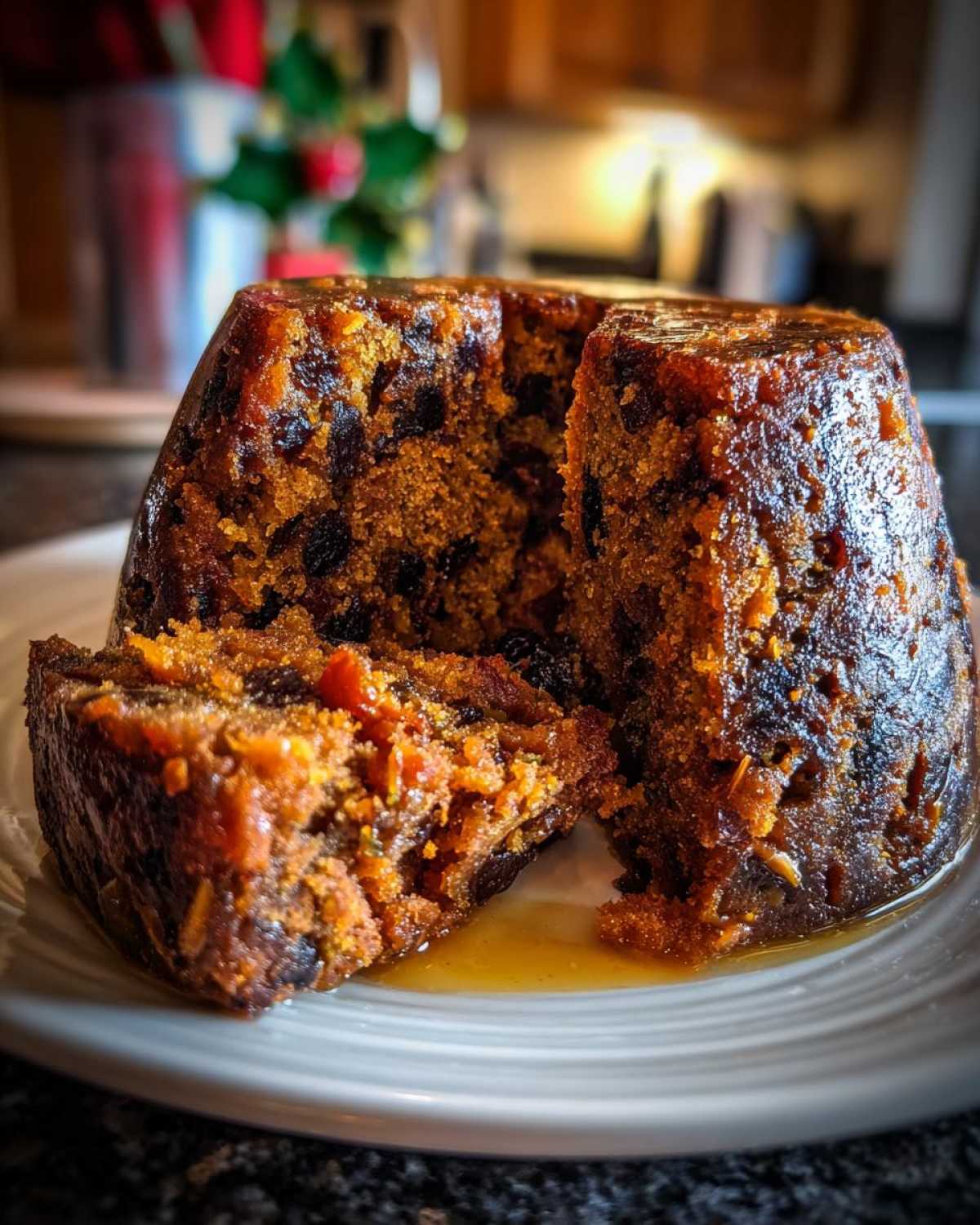
After re-steaming, you invert the basin onto your best serving plate. It should slide right out if you greased it well enough! Then comes the fun part: pour a good slug of warmed brandy (don’t heat it too much, just warm it up!) over the top, and if you’re feeling dramatic, light it carefully! That flaming presentation is unforgettable. It looks gorgeous, smells incredible, and makes the whole plum pudding experience truly festive. Make sure you check out my recipe for a rich homemade brown gravy if you ever need a savory centerpiece later in the year!
Crafting the Homemade Hard Sauce Recipe
If you don’t have Brandy Butter handy, Hard Sauce is super simple and just as good. You just need to cream together softened butter, powdered sugar, and a splash of good brandy until it’s fluffy and pale. You don’t want it runny; it should hold its shape as a soft dollop. Seriously, this only takes five minutes in the mixer, and it is the perfect counterpoint to the rich pudding. Keep the sauce chilled until the very second you spoon it generously over your steaming slice!
Troubleshooting Common Issues with Steamed Pudding Recipe
Even with the best intentions, sometimes things go a little sideways in the kitchen, especially with a long-cook item like this! Don’t panic if your pudding doesn’t come out looking exactly like the picture the first time—it probably still tastes divine. Steam cooking has a learning curve, but I’ve figured out what causes most of the common pitfalls. Listen, you put seven hours of love into this, so let’s make sure it comes out perfectly!
If your pudding sinks a bit when you take it out of the water bath, it usually comes down to the initial mixing or the steam environment. Did you overmix the batter? That traps too much air, and when it hits the lower heat of the cooler pantry, it collapses. Or maybe you didn’t have the water level high enough? Keep that steam consistent!
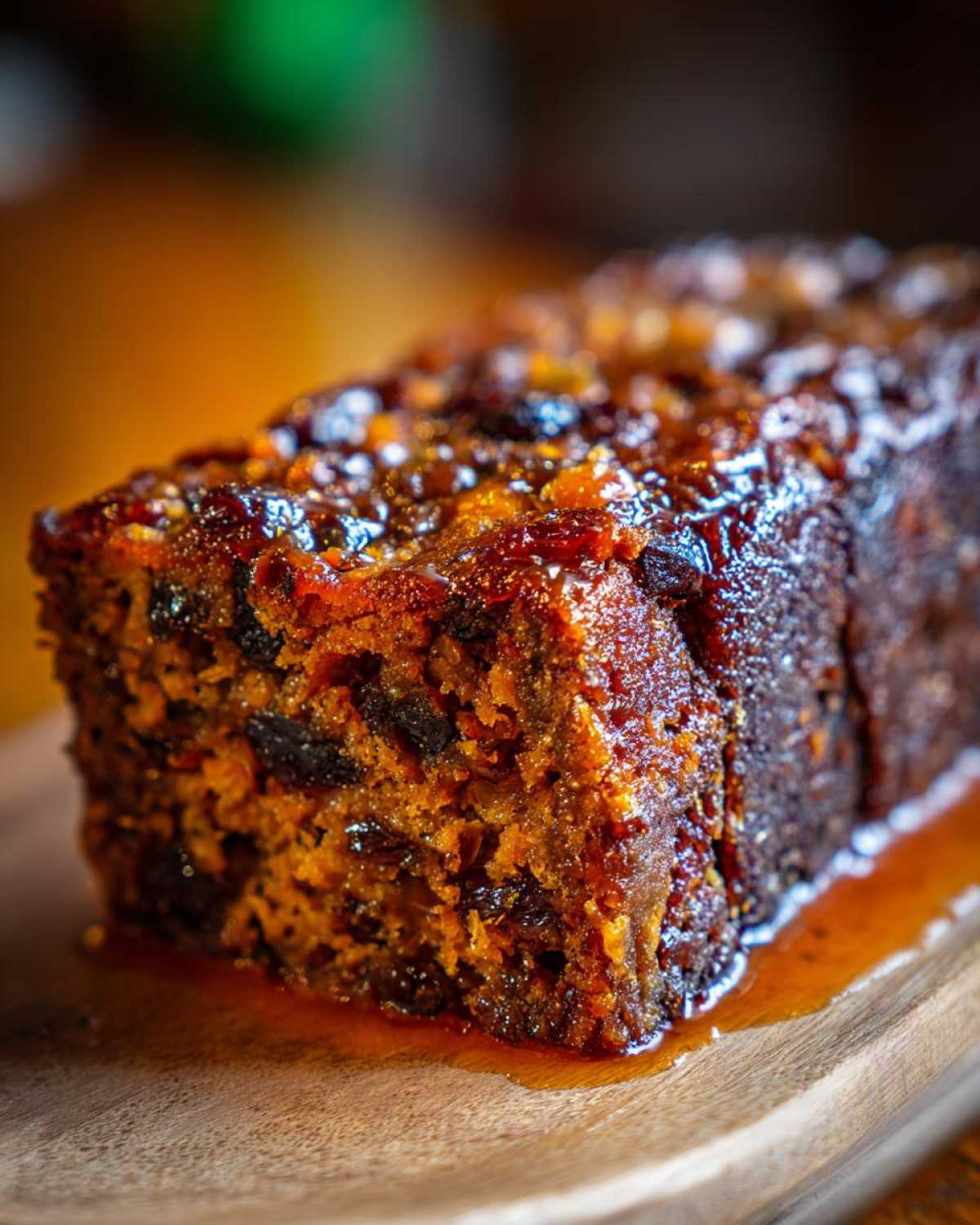
Another big one is leakage. If water gets into your basin, it messes with the texture and makes the bottom soggy. This is purely about your covering technique. You absolutely must use two layers of parchment and two layers of foil, tied extremely tightly under the rim with sturdy string—make that string handle sturdy enough to lift the entire thing! If you skip layers, moisture finds a way in. Trust me, I learned that the hard way years ago.
If your pudding ends up tasting too dry after the re-steam, it usually means you stored it improperly or didn’t steam it long enough the second time. Remember, you need a good two hours of gentle, rolling steam when reheating for serving. It should feel rock hard and look quite dark when done correctly after aging. It’s all about patience, but these tricks should keep your steamed pudding recipe running smoothly!
If you’re ever curious about the folks behind these tested-and-true methods, you can always check out our little corner of the internet here!
Frequently Asked Questions About Traditional Plum Pudding
It’s funny how many questions pop up once you start cooking something this old-fashioned! I get asked almost weekly about ingredient swaps or historical context. It’s wonderful that people are keeping these incredible traditions alive. I’ve gathered a few of the most common things folks ask me about making a perfect batch of this Classic Christmas Dessert.
Can I use fresh plums instead of dried fruit in this plum pudding?
Oh, gosh, please don’t! When you use fresh fruit in a long-steamed pudding like this, it releases way too much water while cooking, and you end up with a mushy mess instead of that firm, rich texture we are aiming for. The magic of this recipe is in the concentrated flavor and lower moisture content of the dried fruits. Stick to dried currants, raisins, and sultanas for the best result. If you want fresh fruit flavor, maybe try a pear pudding next year, but for this classic version, dried is the only way to go!
What is the difference between Christmas Pudding and Plum Pudding?
This is the easiest one, thank goodness! For all intents and purposes, they are the same thing when we talk about the rich, dark, steamed kind. People just call them different names depending on which side of the Atlantic you’re talking to. We call it a Traditional Plum Pudding Recipe here, but if you’re talking about the grand finale of a festive feast, it’s a Christmas Pudding. They both rely on those same dark spices, suet, and spirits!
If you’ve got other questions, feel free to reach out on my contact page! I love talking shop about these old recipes.
Estimated Nutritional Data for This Old Fashioned Pudding
I know, I know, when you’re making a deep, rich, boozy dessert like this, you’re probably not thinking too much about labels! But for those who like to keep track, I’ve put together the estimated nutritional breakdown based on serving up one slice of this fantastic holiday treat. Remember, this is based on standard preparation using the ingredients listed, so think of it as a good guideline rather than a perfect lab result.
Because this pudding is so dense and full of dried fruits and suet (or butter!), it’s certainly rich, but thankfully, a little bit goes a long way. We are talking about a treat meant for special occasions, after all!
- Serving Size: 1 slice
- Calories: 450
- Sugar: 65g
- Fat: 18g (Saturated Fat: 9g)
- Carbohydrates: 70g
- Protein: 7g
I always encourage everyone to enjoy these special dishes guilt-free. That long steaming process and the high-quality dried fruit are what make this dessert special, not just the numbers! If you want to see the fine print on how we handle data around here, you can always take a peek at our full disclaimer page. Bake happy!
Share Your Festive Plum Pudding Experience
Whew! You’ve made it through the long process, and I bet your kitchen smells absolutely incredible right now. Seriously, that spicy, boozy steam is the scent of a perfect holiday gathering. I want to hear all about it! Did you manage to get that foil and paper tied tight enough on the first try? Was your re-steaming process smooth?
Don’t be shy! I absolutely love hearing when folks try out these older, traditional recipes. Please head down to the comments and let me know how your plum pudding turned out. If you could give this classic recipe a rating, what would it be? And if you took a picture of your flaming presentation—oh, you have to share the glory! Snap a photo and tag us over on the blog so we can all marvel at your beautiful, old-fashioned feast centerpiece. Happy baking, or should I say, happy steaming!
PrintTraditional English Plum Pudding
A recipe for a rich, spiced, steamed fruit pudding suitable for holiday celebrations.
- Prep Time: 45 min
- Cook Time: 7 hours
- Total Time: 7 hours 45 min
- Yield: 8 servings
- Category: Dessert
- Method: Steaming
- Cuisine: English
- Diet: Vegetarian
Ingredients
- 175g suet, shredded
- 175g dark brown sugar
- 175g dried breadcrumbs
- 175g mixed dried fruit (raisins, currants, sultanas)
- 50g chopped candied peel
- 50g ground almonds
- 1 large apple, peeled, cored, and grated
- 1 teaspoon ground mixed spice
- 1/2 teaspoon ground cinnamon
- 1/4 teaspoon ground nutmeg
- Pinch of salt
- 2 large eggs, lightly beaten
- 60ml stout or dark ale
- 60ml brandy or dark rum, plus extra for serving
- Butter for greasing
Instructions
- Grease a 1.5-litre pudding basin thoroughly with butter.
- In a large bowl, combine the suet, brown sugar, breadcrumbs, mixed dried fruit, candied peel, ground almonds, grated apple, mixed spice, cinnamon, nutmeg, and salt. Mix well.
- Stir in the lightly beaten eggs, stout, and brandy or rum until just combined. Do not overmix.
- Spoon the mixture into the prepared pudding basin, leaving about 2cm space at the top.
- Cover the basin tightly with a double layer of pleated parchment paper, followed by a double layer of pleated foil. Tie securely around the rim with string, creating a loop handle over the top for lifting.
- Place the basin into a large saucepan. Fill the pan with boiling water until it comes halfway up the side of the basin.
- Cover the saucepan with a lid and steam gently for 6 to 7 hours, checking the water level every hour and topping up with boiling water as needed.
- Once cooked, carefully remove the basin from the pan. Remove the paper and foil. Allow the pudding to cool completely.
- To store, cover the cooled pudding with fresh parchment paper and foil. Store in a cool, dark place for several weeks or freeze.
- When ready to serve, re-steam the pudding for 2 hours, or until piping hot throughout.
- Turn out onto a serving plate. Warm a small amount of brandy, pour it over the pudding, and carefully ignite it before serving with brandy butter or hard sauce.
Notes
- You can make this pudding up to one month ahead of time; steaming it again before serving reheats it properly.
- For the best flavor, use high-quality dried fruits and dark spirits.
- If you do not have a large saucepan for steaming, you can use a pressure cooker for about 2.5 hours.
Nutrition
- Serving Size: 1 slice
- Calories: 450
- Sugar: 65g
- Sodium: 120mg
- Fat: 18g
- Saturated Fat: 9g
- Unsaturated Fat: 9g
- Trans Fat: 0g
- Carbohydrates: 70g
- Fiber: 4g
- Protein: 7g
- Cholesterol: 70mg