

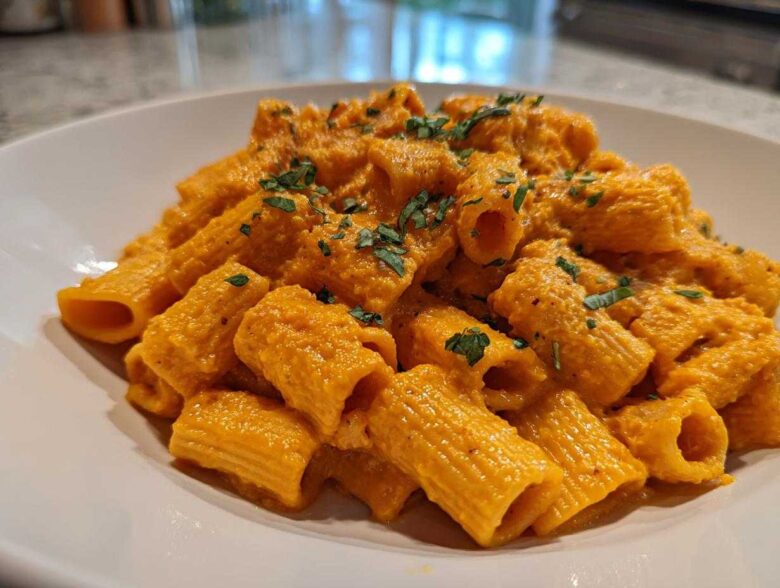
Oh, friends, it’s that time of year again! You know, when the air gets crisp and you just crave something that smells like a cozy hug in a bowl. Forget those complicated holiday roasts for one night; bring out the cozy comfort! I perfected this recipe last fall when I was trying to make something that felt absolutely decadent but wouldn’t keep me chained to the stove after a long day. That’s how the magical **butternut squash pasta** was born.
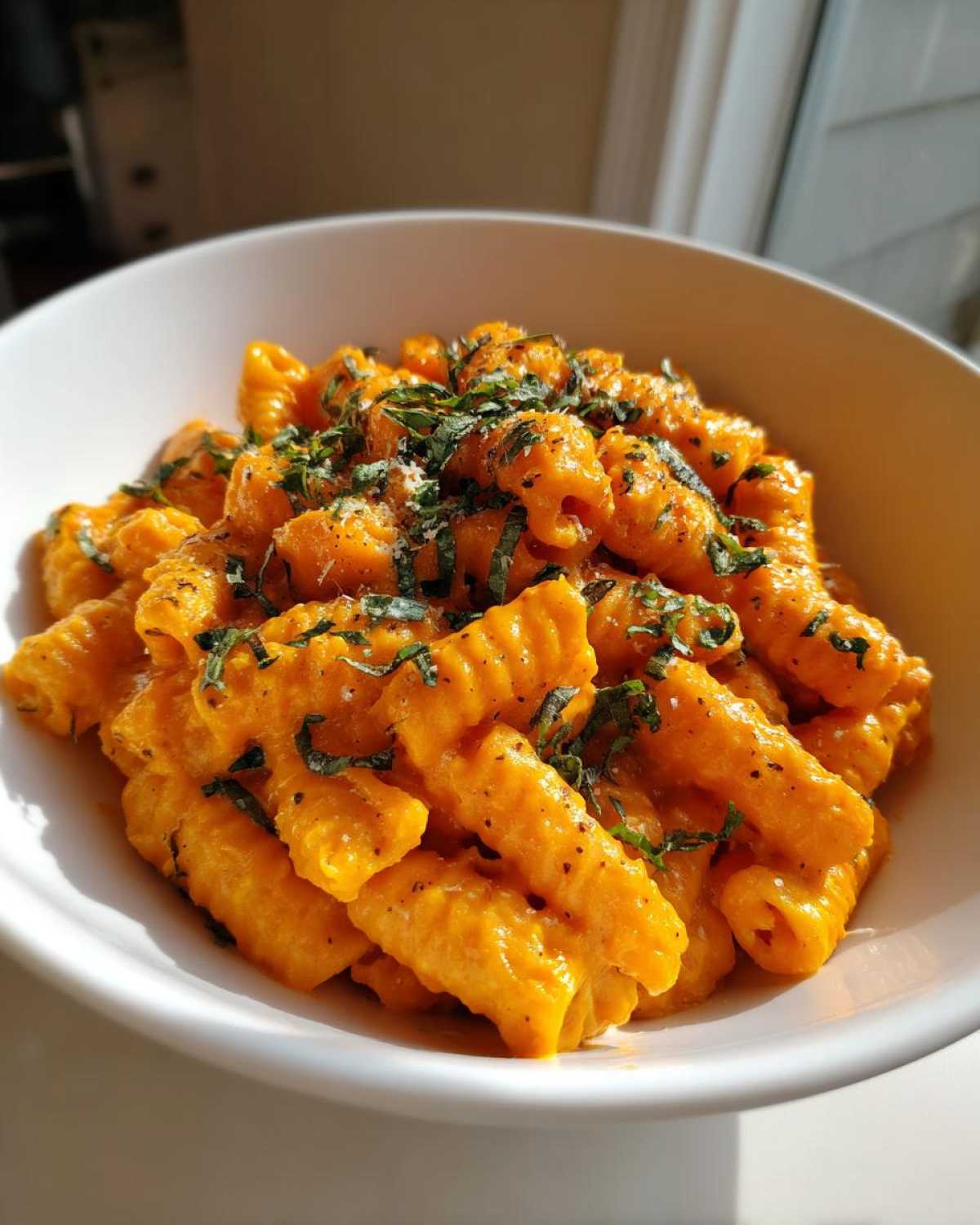
I remember the first time I made it—I actually used way too much sage because I was worried it wouldn’t taste ‘autumn’ enough. Turns out, the roasted squash creates such a naturally sweet, creamy base that it balances everything out perfectly. It’s honestly the easiest weeknight magic trick, and I promise you can get this rich, flavorful dish on the table in under 45 minutes. It’s seriously become my go-to for making Tuesday feel like a special Saturday dinner. You can find more quick favorites over in my main dinner recipes section!
Why This Creamy Roasted Butternut Squash Pasta is a Must-Try
Listen, I get it—sometimes you just want dinner on the table fast, but you don’t want to skimp on flavor. That’s the beauty of this dish!
This **butternut squash pasta** hits every mark we look for when the weather turns chilly:
- It’s Speed Demon Fast: Seriously, you’re looking at maybe 15 minutes of prep and 30 minutes of cook time. Total game-changer for busy weeknights.
- Unbelievably Creamy: We use roasted squash and a little cream to make a sauce that tastes like it simmered for hours, but we whip it up quickly.
- Maximum Comfort: If you need a hug in a bowl, this savory, earthy combination featuring fresh sage is exactly what you’re looking for. It’s pure cozy autumn vibes.
- Seasonal Winner: It makes the absolute best use of that gorgeous winter squash sitting on your counter right now!
It’s truly the definition of easy weeknight comfort food, trust me on this one!
Ingredients for the Best Butternut Squash Pasta
Okay, let’s talk about what you actually need, because choosing the right components is crucial for hitting peak creaminess. Don’t feel overwhelmed by the list; it’s mostly simple pantry staples surrounding that gorgeous squash. When I make this, I always lay everything out first, which helps keep things running smoothly when the roasting timer goes off!
For the richest flavor and texture, here’s what you’ll need:
- One medium butternut squash—about two pounds—and you’ll need to peel it and cut it into cubes. Don’t skimp on getting all that tough skin off!
- Two tablespoons of olive oil, split between roasting and sautéing.
- Salt and pepper, divided; we season the squash first, then hit the sauce later.
- One full pound of pasta. I usually go for penne or rigatoni because the sauce clings so beautifully to those shapes.
- One small yellow onion, chopped up fine.
- Two cloves of garlic, and you absolutely must mince them—we want flavor, not big chunks!
- Half a cup of vegetable broth to help it blend nicely.
- Heavy cream—half a cup works wonders for that luxurious finish. If you’re dairy-free, full-fat coconut milk is amazing here, too!
- A quarter cup of grated Parmesan cheese, plus extra for topping later.
- And finally, one tablespoon of fresh sage, finely chopped. Seriously, use fresh sage here; it makes all the difference!
If you happen to be planning ahead and want a killer dipping sauce for bread on the side, you can check out my 5-minute garlic aioli recipe. Now, let’s get this squash roasting!
Step-by-Step Instructions for Butternut Squash Pasta
This isn’t one of those recipes where you wait until Step 10 to realize you made a mistake back at Step 1. We’re keeping things moving logically here so that everything finishes up beautifully at the same time. It really only takes about 30 minutes of actual active cooking time!
Roasting the Squash and Cooking the Pasta
First things first, we need to get that squash happy. Preheat your oven to 400°F (200°C)—don’t rush this part, the heat needs to be ready! Toss your peeled and cubed butternut squash with just one tablespoon of olive oil, a pinch of salt, and pepper. Spread it out on a baking sheet. You want it to roast for 20 to 25 minutes. Trust me, let it hang out in there until it’s not just soft, but it gets those little golden-brown, caramelized edges. That’s where the deep flavor comes from!
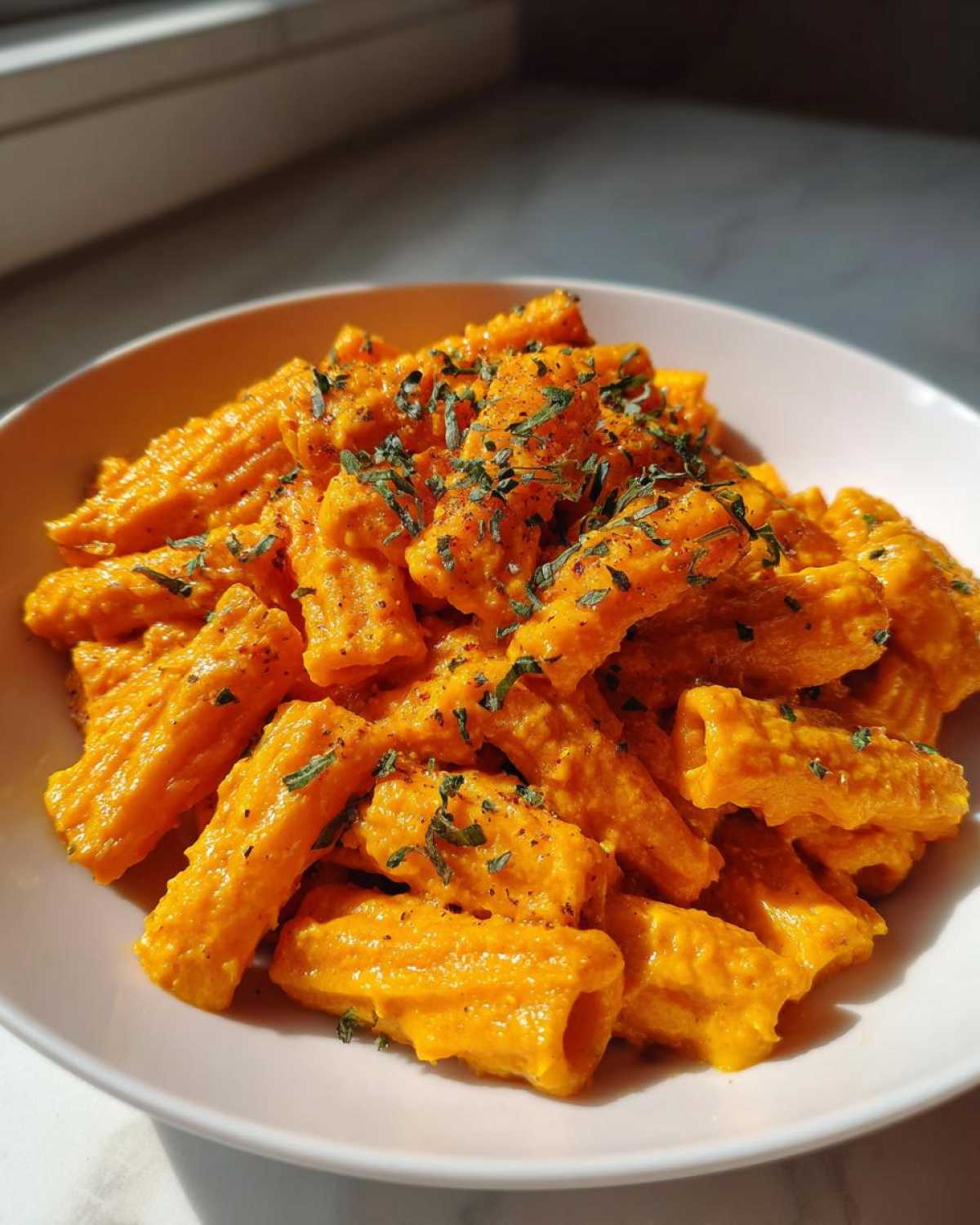
While that’s happening, get your pasta water boiling. Cook your penne or rigatoni until it’s just right—al dente. Before you drain it, take a mug and scoop out at least one cup of that starchy, cloudy pasta water. That mysterious liquid is our secret weapon for getting the sauce perfectly silky smooth later.
Building the Flavor Base for Your Butternut Squash Pasta Sauce
Once your squash is roasting away, move onto the aromatics. In a large skillet, use the rest of that olive oil over medium heat. Toss in your chopped onion and sweat it out until it’s soft and translucent—about five minutes. Then, toss in the minced garlic and cook for just one minute more until you can really smell it. You don’t want the garlic to burn, just to wake up!
This sautéed mixture is going straight into the blender with your roasted squash. We are building the foundation of the best **butternut squash pasta** sauce you’ve ever tasted. If you make some quick dipping bread while the sauce is blending, like my amazing homemade naan, you’ll be set for dipping every last bit.
Creating the Smooth Pasta with Squash Cream Sauce
Now for the magic moment! Transfer that roasted squash and the onion/garlic mixture into your blender. Add the vegetable broth, the heavy cream—or coconut milk if you’re going dairy-free—all your Parmesan, and the rest of your salt and pepper. Blend it until it is unbelievably smooth. I mean, puree status—no chunks allowed!
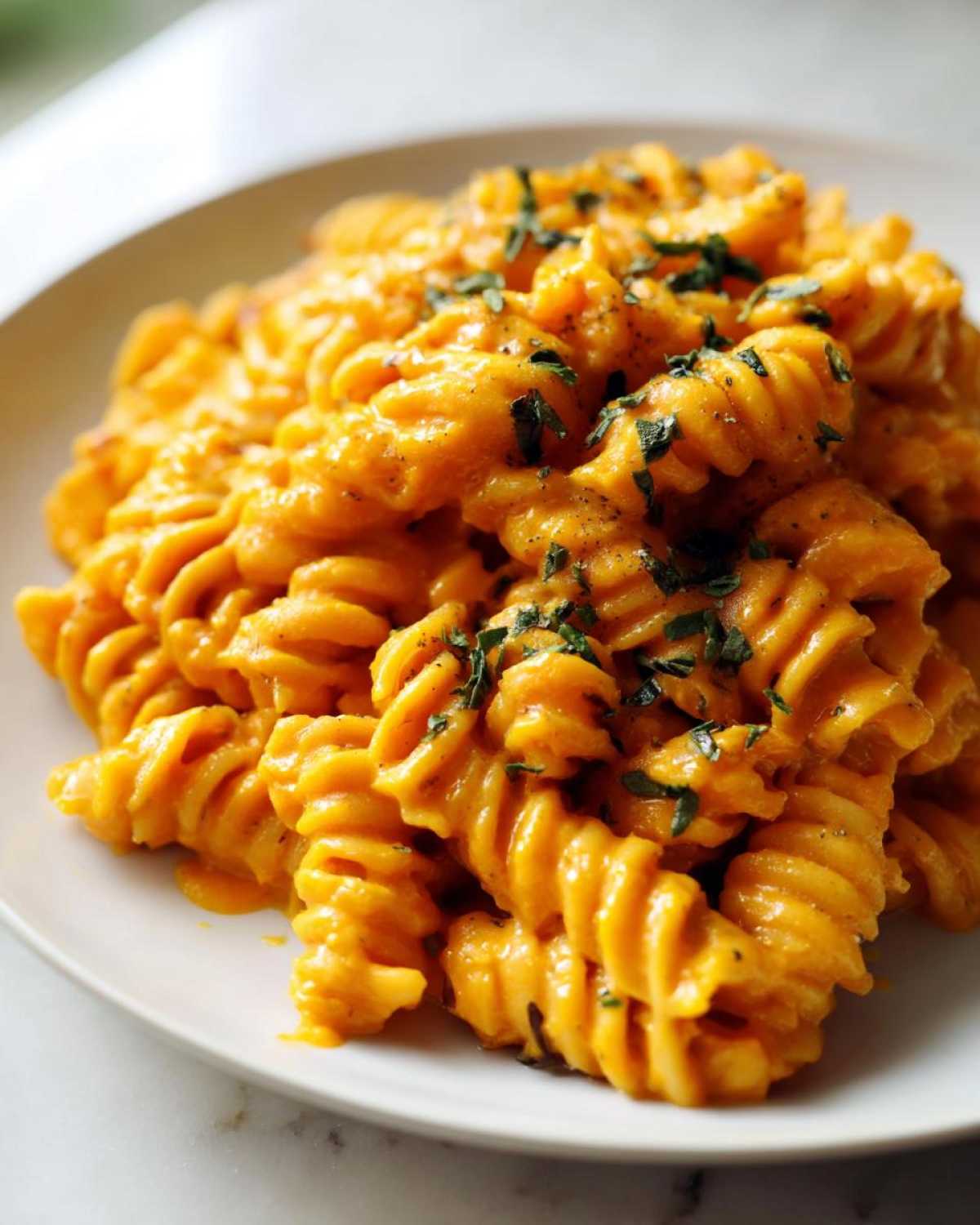
Pour that gorgeous, thick sauce right back into the skillet you used for the onions. Set the heat low; we’re just warming it through. If it looks too thick to coat the pasta perfectly, this is where you slowly drizzle in that reserved pasta water until it hits that perfect, luxurious consistency for your **pasta with squash cream sauce**. Finally, dump in your drained pasta and that chopped fresh sage, toss until every piece is coated, and serve it up!
Tips for Perfect Butternut Squash Pasta Success
Even though this recipe is straightforward, a few little tricks can take your butternut squash pasta from really good to “OMG, I need that recipe now MUST-HAVE.” These details are the things I learned from trial and error—mostly error when I first started roasting my squash!
First crucial bit of advice from my notes is all about getting that deep, savory flavor. Don’t panic if your squash looks a little darker than pale yellow when it comes out of the oven. In fact, you *want* that caramelization! When you roast the squash until it’s deeply browned on the edges, you are concentrating those natural sugars, which gives the sauce a complexity that boiling or steaming just can’t achieve. Really let it sit in that 400-degree oven until those edges start singing.
Second, and this is non-negotiable for this specific dish: fresh sage. I know dried herbs are convenient, but dried sage tends to taste dusty and overpowering here. Fresh sage, chopped finely, releases these amazing aromatic oils when it hits the warm sauce. You can find everything you need for your meal prep and flavor boosting tips in my guide to creamy side dishes, though this pasta truly stands alone!
Finally, let’s talk about heat. If you are adding a spicy kick—throw in those red pepper flakes when you sauté the garlic. That little bit of heat balances the inherent sweetness of the squash so well. It’s a tiny addition, but it really wakes up the entire dish.
Variations for Your Butternut Squash Pasta Recipe
I absolutely love that this core recipe is so flexible! Since everyone’s pantry and preferences are different, I always encourage folks to tweak it based on what they have or what mood they’re in. It’s one of the best parts of making comfort food at home—you are the boss!
If you’re looking to turn this into a heartier meal, adding protein is super easy. Sausage, for example, is fantastic. You can brown up some Italian sausage—maybe even spicy!—right before you start your onions, and then use the rendered fat instead of half of the olive oil. It infuses the whole sauce with that delicious savory fat. If you happen to be looking for a great game-day recipe that features sausage, check out my Bisquick Sausage Balls for later!
If you want to sneak in some greens, just toss a few big handfuls of fresh spinach right into the skillet after you pour the sauce back in, just before adding the pasta. It wilts down almost instantly and adds a little color without changing the primary flavor too much.
Now, let’s talk swaps for that creamy element. If you need a truly **Vegan Butternut Squash Pasta**, just skip the Parmesan and ensure you are using full-fat coconut milk instead of heavy cream. That canned coconut milk thickens up beautifully when blended with the roasted squash. Just make sure you use the thick cream part from the top of the can, not the watery stuff at the bottom, okay?
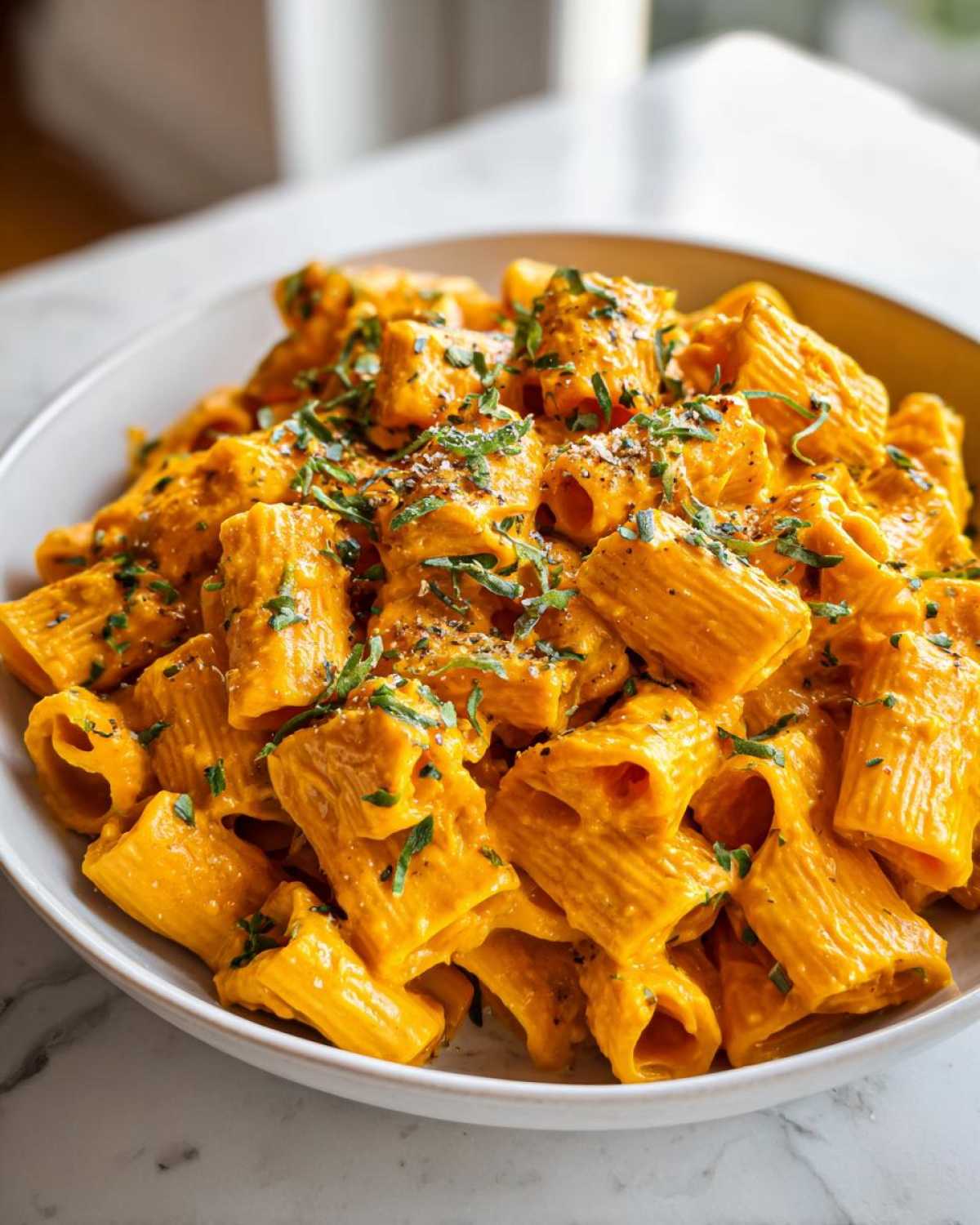
This flexibility is why this **Butternut Squash Pasta Recipe** keeps coming back to my dinner table week after week throughout the cooler months. It never gets boring!
Storage and Reheating Creamy Pasta Dishes
You know, sometimes even I can’t finish a whole batch of this dreamy **creamy pasta**, and that’s okay! Leftovers are honestly almost as good the next day.
Store any extra in an airtight container in the fridge for up to three days. When you’re reheating, skip the microwave if you can—it tends to separate creamy sauces fast. I much prefer reheating it gently on the stovetop over low heat. If it seems a little thick (and it always does!), just whisk in a tiny splash of extra vegetable broth or milk until it loosens up back to that beautiful, saucy consistency. For more tips on making sure your leftovers are just as good as the first time, check out my guide on creamy casseroles!
Frequently Asked Questions About Butternut Squash Pasta
I know you probably have a few speedy questions swirling around now that you’ve seen how easy this process is. It makes total sense! When you find an amazing **Comfort Food Pasta** recipe, you want all the details ironed out before you even start chopping. Here are the ones I get asked most often about making this happen during my **Quick Pasta Dinners** routine!
Can I skip roasting the squash and use canned puree instead?
You certainly can! If you’re aiming for one of those lightning-fast **30 Minute Pasta Recipes**, using canned butternut squash puree saves you about 25 minutes of oven time. Make sure you buy plain puree—not pie filling! When you swap it in, you’ll likely need less broth or cream since the canned stuff is already wet, so start with half the liquid and add more as you blend. You might miss a little bit of that deep, smoky roasted flavor, but it’s still delicious!
How can I make this a Vegan Butternut Squash Pasta?
Oh, it’s so simple! This whole flavor profile works beautifully without dairy, just as I mentioned earlier. Ditch the heavy cream and substitute it with the same amount of full-fat coconut milk—make sure you get the thick cream off the top of the can! Then, for the Parmesan, you can either leave it out entirely (the squash is plenty flavorful!) or use your favorite store-bought vegan parmesan alternative. It remains a wonderful **Healthy Pasta Alternative** this way.
My family likes a little spice. How do I make a Spicy Butternut Squash Pasta?
That’s easy to fix! If you love heat, you want to add it during the sautéing step. Right when you toss in that minced garlic, throw in about a quarter teaspoon of red pepper flakes. If you’re feeling brave, you could even add a tiny dash of cayenne pepper right into the blender with the rest of the sauce ingredients. It cuts through the richness of the cream and makes the whole thing pop! If you’re looking for other easy dinner inspirations, my fluffy rice pilaf recipe is great alongside it!
What if I don’t have fresh sage?
Honestly, it’s not my favorite substitution because fresh sage has a unique perfume that canned or dried just can’t replicate in this creamy dish. However, if you truly can’t find it, you can use about half the amount of dried rubbed sage, but you’ll want to add it when you’re blending the sauce so it incorporates better than just sprinkling it on top. For next time, keep some fresh sage in a damp paper towel in the fridge; it lasts ages!
Serving Suggestions for This Fall Dinner Idea
This **Fall Dinner Idea** is so rich and satisfying all on its own, but honestly, every masterpiece needs a good frame! Because this butternut squash pasta is so gloriously creamy, I always lean toward sides that offer a nice, crisp contrast.
You absolutely must have something for dipping up every last drop of that sauce. A rustic, crusty loaf of French bread is perfect. If you’re feeling ambitious, my quick olive oil bread dip is the best partner for soaking up every savory smear.
For a true balance, throw together a sharply dressed arugula salad. The peppery bite of the greens cuts right through the richness of the cream sauce beautifully. Sometimes I’ll just roast some spiced pecans for a crunchy topping on the pasta instead of nuts on the side!
Estimated Nutritional Data for Butternut Squash Pasta
Every wonderful **Butternut Squash Main Course** deserves a little look at what’s fueling us, right? Now, I have to give you a friendly little heads-up here: these numbers are pulled straight from my calculations based on the ingredients listed above, but they are absolutely estimates!
Since we’re dealing with fresh ingredients and your cream and cheese amounts might vary slightly from mine, please don’t treat these as clinical nutrition facts. If you are tracking for medical reasons, you definitely should check out the full details on my recipe disclaimer page for more context!
For one serving of this delicious **Creamy Pasta Dishes** recipe, you can generally expect:
- Serving Size: 1 serving
- Calories: Around 550
- Fat: About 25g (14g of that is saturated, just from the butter/cream!)
- Carbohydrates: Roughly 70g, with 8g of that being satisfying fiber.
- Protein: A solid 18g to keep you full!
- Sugar: About 10g, mostly natural sugars from that sweet squash!
- Sodium: Approximately 450mg.
It’s a really balanced and filling plate of food!
PrintCreamy Roasted Butternut Squash Pasta with Sage

Make a rich and comforting butternut squash pasta sauce using roasted squash and fresh sage. This recipe is simple enough for a weeknight meal.
- Prep Time: 15 min
- Cook Time: 30 min
- Total Time: 45 min
- Yield: 4 servings
- Category: Dinner
- Method: Roasting and Stovetop
- Cuisine: American
- Diet: Vegetarian
Ingredients
- 1 medium butternut squash (about 2 lbs), peeled and cubed
- 2 tablespoons olive oil, divided
- 1/2 teaspoon salt, divided
- 1/4 teaspoon black pepper, divided
- 1 pound pasta (like penne or rigatoni)
- 1 small yellow onion, chopped
- 2 cloves garlic, minced
- 1/2 cup vegetable broth
- 1/2 cup heavy cream (or full-fat coconut milk for dairy-free)
- 1/4 cup grated Parmesan cheese, plus more for serving
- 1 tablespoon fresh sage, chopped
Instructions
- Preheat your oven to 400°F (200°C). Toss the cubed butternut squash with 1 tablespoon of olive oil, 1/4 teaspoon of salt, and 1/8 teaspoon of pepper on a baking sheet. Roast for 20 to 25 minutes until tender and lightly browned.
- While the squash roasts, cook the pasta according to package directions until al dente. Reserve about 1 cup of the starchy pasta water before draining.
- In a large skillet over medium heat, add the remaining 1 tablespoon of olive oil. Sauté the onion until soft, about 5 minutes. Add the garlic and cook for 1 minute more until fragrant.
- Transfer the roasted squash to a blender or food processor. Add the sautéed onion and garlic mixture, vegetable broth, heavy cream, Parmesan cheese, remaining salt, and pepper. Blend until completely smooth and creamy.
- Pour the squash sauce back into the skillet. Heat gently over low heat. If the sauce is too thick, add reserved pasta water, a few tablespoons at a time, until you reach your desired consistency.
- Add the drained pasta and the chopped fresh sage to the skillet. Toss everything together until the pasta is fully coated in the sauce.
- Serve immediately with extra grated Parmesan cheese on top.
Notes
- For a deeper flavor, roast the squash until it has more caramelization.
- If you prefer a spicier sauce, add a pinch of red pepper flakes when sautéing the garlic.
- Use fresh sage; dried sage does not provide the same aromatic quality for this dish.
Nutrition
- Serving Size: 1 serving
- Calories: 550
- Sugar: 10
- Sodium: 450
- Fat: 25
- Saturated Fat: 14
- Unsaturated Fat: 11
- Trans Fat: 0
- Carbohydrates: 70
- Fiber: 8
- Protein: 18
- Cholesterol: 55