

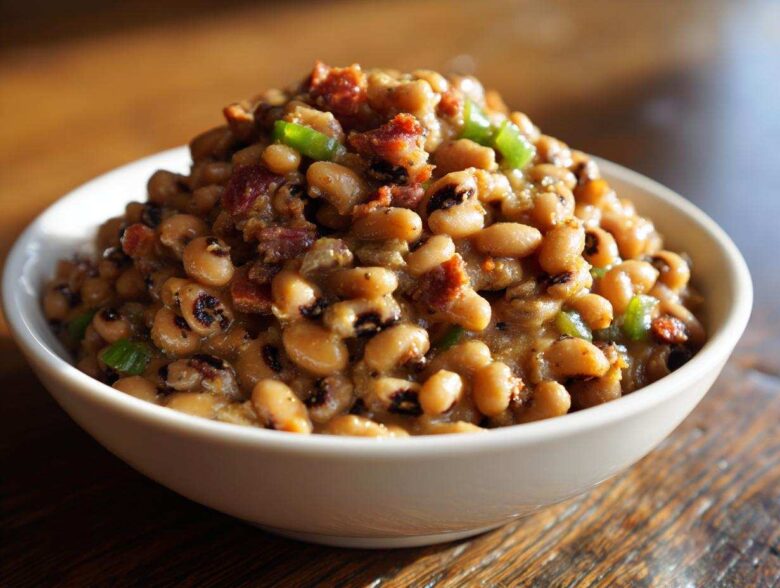
If you want your New Year to be filled with luck and prosperity, you absolutely have to make a big pot of peas! Down here in the South, that means one thing: the most amazing, hearty, and creamy **black eyed peas** you’ve ever tasted. It’s not just food; it’s tradition. This Classic Creamy Southern Black Eyed Peas recipe is my go-to, the one I put on the stove every December 31st. It smells incredible with that smoky ham hock fragrance filling up the kitchen, and honestly, it’s the ultimate comfort food legume you’ll want to eat all winter long, not just on New Year’s Day.
I’ve made countless batches over the years for family dinners, and I promise I’ve nailed the seasoning and the texture just right. This isn’t some thin, watery soup; this is rich, thick, and flavorful comfort. We’re going to make sure they are seasoned so perfectly that you’ll be begging for the leftovers. Trust me, this is the method you need to keep in your rotation, and you can find more side dish inspiration, like my famous candied yams, right here on the blog. Try those next!
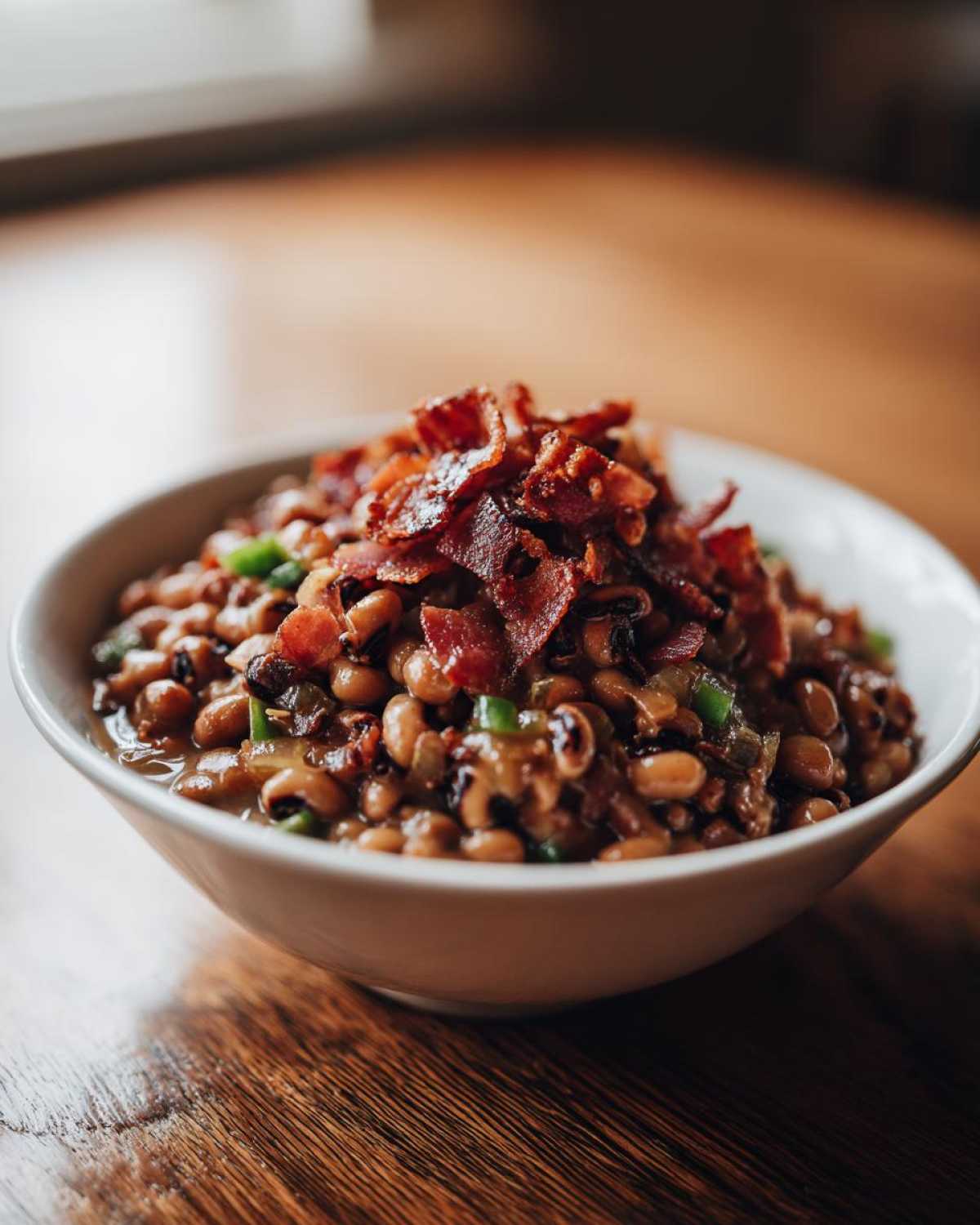
Why You Will Make This Creamy Southern Black Eyed Peas Recipe Again and Again
Honestly, once you try these, you’ll never go back to the canned stuff, I promise! There’s just no contest when it comes to real flavor and fantastic texture. This recipe nails what a true Southern comfort food legume should be. You’re going to want this simmering on your stove all winter long.
- It delivers that signature Southern flavor—rich, smoky, and deeply comforting—thanks to the smoked meat base.
- The texture truly is next level; we achieve incredibly creamy black eyed peas by lightly mashing a portion of them right in the pot!
- It’s surprisingly easy for how complex the flavor seems; this is a true one pot black eyed peas meal for cleanup!
- You can tailor the richness perfectly, whether you use a traditional ham hock or opt for a vegetarian black eyed peas version with smoky spices.
- These peas freeze beautifully, meaning you can make a huge batch for New Year’s luck and enjoy them all winter long.
- The seasoning is spot-on for becoming the best seasoned black eyed peas side dish your family has ever tasted.
It’s simple, it’s traditional, and it sets your whole cooking spirit right. You won’t regret making this hearty pea stew!
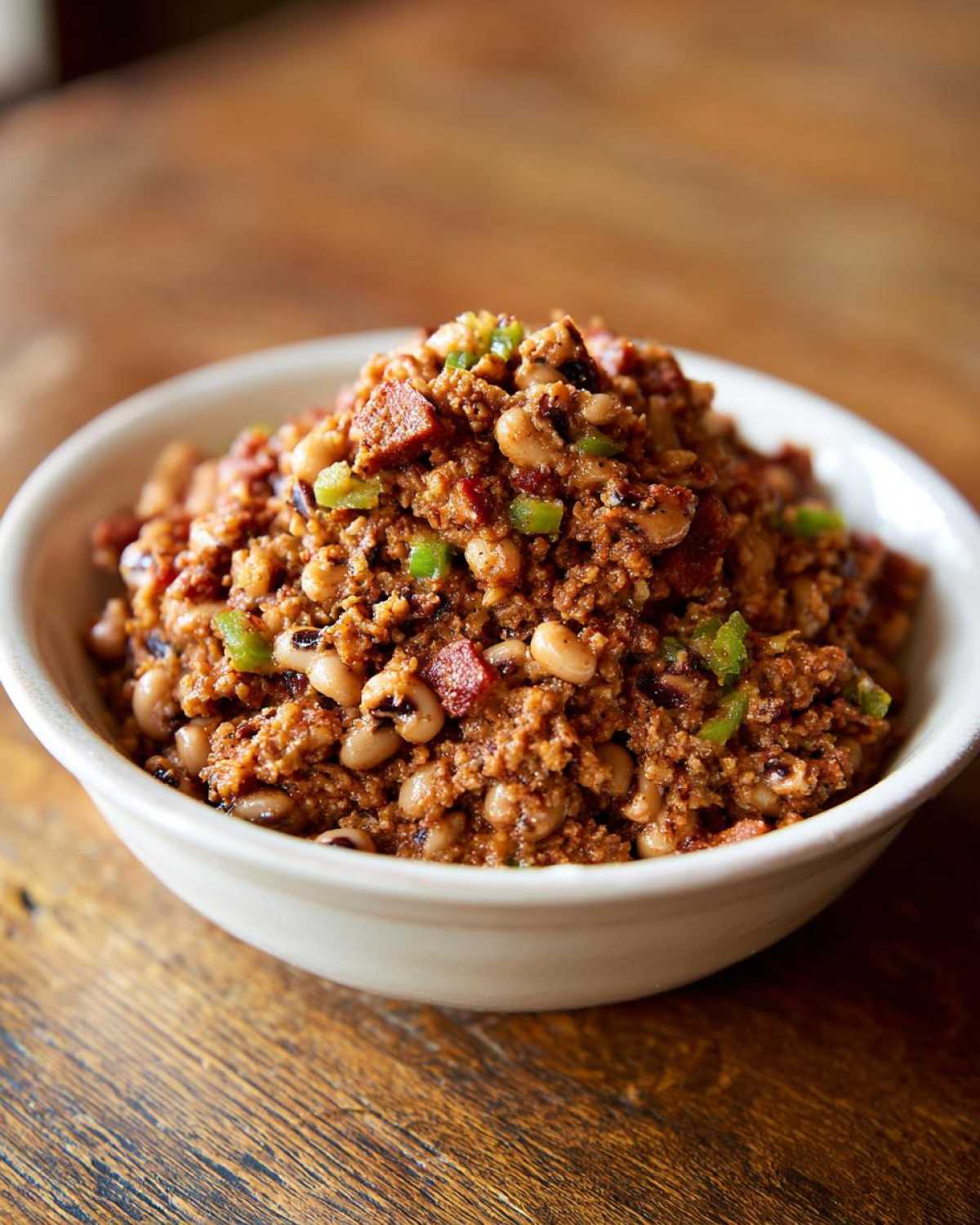
Essential Ingredients for Perfect Black Eyed Peas
Okay, let’s get down to the brass tacks. The secret to truly amazing, flavorful, and tender **black eyed peas** isn’t some fancy spice; it’s making sure you have the right core players ready to go. I still check my pantry twice before I start, because if you miss one of these components, you miss that deep, savory base we are aiming for.
When you gather everything, remember that texture depends on the prep—especially rinsing those dried peas! It’s a quick step, but it matters huge amounts for clarity and even cooking. You’ll find that including a nice piece of smoked meat really helps build that complex, smoky black eyed peas flavor that people crave, but don’t worry, I’ll talk about vegetarian swaps later. For now, gather these beauties:
- 1 pound dried black eyed peas, rinsed and picked over
- 6 cups chicken or vegetable broth (I prefer low-sodium broth so I control the salt!)
- 1 smoked ham hock or 4 ounces smoked turkey wings (This is optional, but highly recommended for that genuine Southern hug! If you love ham flavor, check out these white bean soup ideas too.)
- 1 large yellow onion, chopped finely
- 1 green bell pepper, chopped
- 2 celery stalks, chopped (These three aromatics are your Holy Trinity!)
- 4 cloves garlic, minced (Measure this with your heart, but I put exactly four in.)
- 1 teaspoon dried thyme
- 1 bay leaf
- 1/2 teaspoon smoked paprika
- Salt and black pepper to taste (Yes, you season at the end!)
- 1 tablespoon apple cider vinegar (Don’t skip this—it’s crucial for brightness!)
- 2 tablespoons butter or olive oil (for sautéing those veggies)
That’s it! Simple, right? But when you cook them down slowly, I’m telling you, the smell alone is worth the effort. These ingredients combine to make the absolute best seasoned black eyed peas!
Expert Tips for the Best Seasoned Black Eyed Peas Flavor
Listen, I learned a long time ago that just tossing dried **black eyed peas** into a pot doesn’t give you that melt-in-your-mouth tenderness we’re aiming for. A serious Southern cook knows that preparing those dried legumes properly is half the battle! You need to soften them up first so they absorb all that gorgeous broth and the smoky flavor from the ham hock earlier in the process. That ensures every single pea is tender, not gritty on the inside.
Also, hold that salt and that vinegary tang until the very end. I know it feels wrong because we always want things seasoned upfront, but salt can actually tighten up the skins of the peas, making them stay hard! We want the opposite—we want them soft and swimming in delicious seasoning. If you’ve already made your savory base, try looking up how to make a quick homemade brown gravy to pour over these peas when you serve them!
Soaking Dried Black Eyed Peas: Quick vs. Overnight Methods
You have two reliable ways to get your peas ready! If you plan ahead, soak them overnight; just cover them, let them sit in the fridge, and drain the water before cooking. If you wake up and suddenly remember you need these for dinner tonight, use the quick-soak trick! Cover the peas with water, bring it to a rolling boil for two minutes flat, turn the heat off, cover the pot, and let them sit for one hour. Either way, you drain off that initial water—that’s key!
Achieving Creamy Black Eyed Peas Texture
This is my favorite kitchen magic trick. After the peas have cooked down and are super tender, take a wooden spoon or a sturdy potato masher and gently go around the side of the pot, intentionally smashing about a quarter cup of those cooked peas. Don’t pulverize the whole pot—we still want texture! Just mash those few against the side, stir them back in, and watch the broth instantly transform into that luscious, velvety sauce we all adore. Instant thickener!
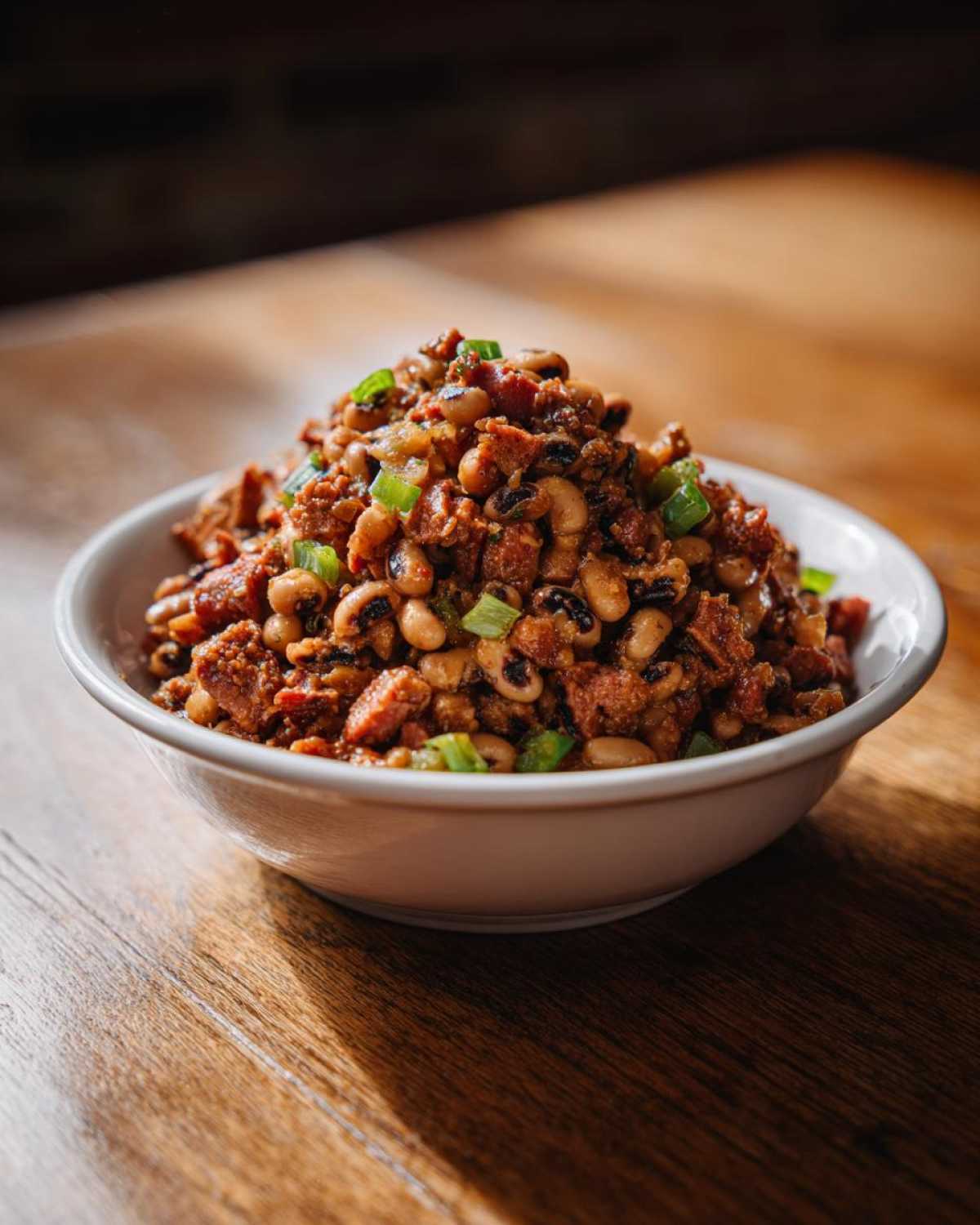
Step-by-Step Instructions for One Pot Black Eyed Peas
Now that we have our peas soaked and our veggies chopped, it’s time for the main event! Because we are doing this all in one pot, the steps are crucial for building that deep, savory layering of flavor. First things first, get your pot situated and bring your peas basically to life. After soaking (using one of those methods we talked about!), you want to drain that water. Then, we add the broth, the thyme, the bay leaf, and the paprika right over the top of those prepped **black eyed peas**, along with your smoky meat if you are using it.
Next up is creating that foundational flavor base. In a separate skillet—yes, we dirty one extra pan, but it’s worth it—you’re going to melt that butter or oil. Get those onions, peppers, and celery in there and let them sweat it out over medium heat until they are soft, which usually takes about 5 to 7 minutes. Don’t rush this part; soften them up well! Add your garlic in for just one last minute until you can really smell it—careful not to burn it!
Toss those aromatic veggies right into the main pot with the peas. Bring everything to a steady boil, then immediately drop the heat way down low, slap a lid on it, and let it simmer! This is where the patience comes in. Let those peas cook low and slow for about an hour and a half to two hours. Test them frequently until they are completely tender. Once they are perfect, pull out that bay leaf and the ham hock, shred any meat off that hock, toss it back in, and finish with that tablespoon of apple cider vinegar and your salt and pepper. Serve these up hot; they are amazing on their own or alongside some fluffy rice pilaf!
Variations: Slow Cooker Black Eyed Peas and Vegetarian Black Eyed Peas Options
I totally get it—sometimes you just don’t have two hours to babysit a pot on the stovetop, and that is perfectly okay! We can adapt this amazing recipe for the slow cooker, which makes it such an easy weeknight meal, even though the stovetop is my personal favorite way to go. For the slow cooker method, it’s super simple: just skip the initial veggie sautéing step (or do it quickly if you want maximum flavor), add everything—the peas, broth, the optional smoked meat, thyme, and paprika—right into that ceramic insert.
Cook it on low for about 6 to 8 hours, or high for 3 or 4 hours. Remember to hold that crucial apple cider vinegar until the very end, just like we did on the stove! If you’re feeding folks who don’t eat meat, making these **black eyed peas** is no issue at all. Just skip the ham hock entirely, use vegetable broth for that vegetarian black eyed peas version, and here’s the secret weapon: add about a teaspoon of liquid smoke during the last 30 minutes. That little bit of smoke gives you almost the same depth you get from the smoked turkey wings without using any meat at all! If you need another great recipe for your slow cooker, I’ve got a wonderful one for slow cooker turkey breast you might enjoy for another winter meal!
Serving Suggestions for Your Hearty Pea Stew
Now you have the most wonderfully rich, creamy, and flavorful side dish imaginable. But what do you serve with something this good? Honestly, these peas are basically the star of the show, but they need some friends on that plate to make it a real, authentic Southern feast!
The number one, non-negotiable accompaniment in my house is cornbread. Period. You need something sturdy and slightly sweet to soak up every last bit of that seasoning liquid. I always make sure I have a fresh pan of cornbread ready—a slightly sweet kind, not the super dry, crumbly type. If you’re looking for a crowd-pleaser that’s just as rich as the peas themselves, you absolutely have to try my cream cheese corn casserole.
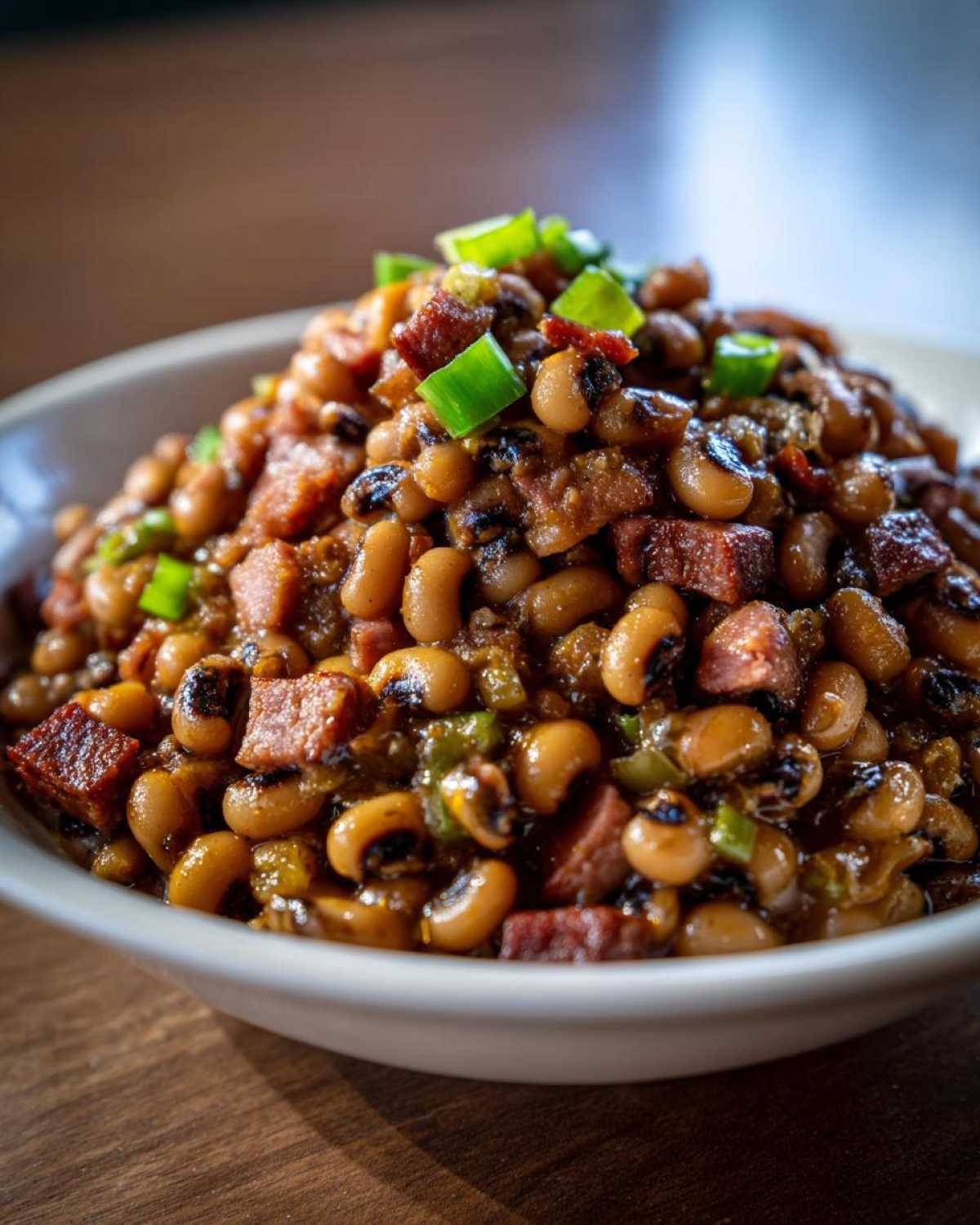
Beyond bread for dipping, these peas shine as a fantastic winter side dish when paired with something traditional, usually pork. If you made these without the ham hock, serving them alongside baked ham or smoked sausage makes perfect sense. It just reinforces that cozy, winter side dish vibe.
If you need a little green on the plate to cut through all the richness, don’t try anything too fancy! Simple sautéed collard greens seasoned lightly with a splash of vinegar are perfect. Or, even better, some quick steamed cabbage with a little bit of butter. Keep the sides traditional and satisfying, and you’ve got a meal that tastes like home!
Storage and Reheating Instructions for Leftover Black Eyed Peas
The best part about making a big pot of these **black eyed peas** is knowing you have leftovers for lunch the next day! They actually hold up really well in the fridge, getting even more seasoned overnight, which I love. Keep them sealed up tight in an airtight container, and they should be good for about four days in the refrigerator. Don’t try to keep them much longer than that; we want food safety first!
When you go to reheat them, you might notice they look a little thicker than when they were fresh. That’s normal since the peas keep soaking up that liquid! Just add a splash of chicken broth or water—maybe a tablespoon or two—to the pot while you warm them gently on the stovetop. Keep the heat low; you don’t want to boil them hard, just heat them through until they are nice and creamy again. This method keeps that fantastic texture perfect!
Frequently Asked Questions About Black Eyed Peas
I always get so many questions after I post this recipe because everyone wants their peas tasting just like mine—and I love sharing how! Here are a few things folks ask me all the time about getting the best results from this traditional recipe. Don’t worry if you’re new to cooking these; we clear it all up right here!
What is the traditional New Year’s luck meaning associated with eating black eyed peas?
Oh, this is my favorite part of the tradition! Eating peas on New Year’s Day is supposed to represent coins, symbolizing prosperity and good fortune for the entire year ahead. The greens you serve with them represent paper money, and if you’re traditional, a piece of pork (like my ham hock meat) represents progress! It’s a delicious way to wish everyone well!
Can I make this recipe without meat for a smoky black eyed peas flavor?
Absolutely! We made sure to cover that in the variations section because not everyone eats pork or wants meat in their side dish. If you are making the vegetarian black eyed peas version, remember the trick! Omit the ham hock, but make sure you add about a teaspoon of liquid smoke right near the end of the cooking time. That little bit of liquid smoke does a marvelous job of mimicking that deep, savory note you get from the smoked meat!
And speaking of other sides, if you love traditional Southern fare, you have to check out my recipe for classic deviled eggs—they always make an appearance at my holiday table!
Is this recipe close to a traditional Hoppin’ John recipe?
That’s a great question! Hoppin’ John is very similar, but it’s traditionally made by cooking the peas right along with the rice—usually low and slow so the rice absorbs all the smoky liquid as it cooks. My recipe keeps the peas separate and finishes them thick and creamy, which is better for serving as a side dish alongside those great winter sides we discussed. If you want that rice and pea combo, you’d just prepare the peas, remove the meat, and then stir in a cup of white rice for the last 20 minutes of simmering!
How can I ensure my peas aren’t watery?
Texture is everything with a good pot of peas! If yours look too watery at the two-hour mark, don’t panic! Just pull the lid off, turn the heat up just a touch (medium-low), and let them simmer uncovered for 10 to 15 minutes. This allows the extra liquid to evaporate, concentrating the flavors. Remember, a few mashed peas stirred back in also acts as a fantastic natural thickener that makes them wonderfully rich!
Nutritional Estimates for This Comfort Food Legumes Dish
I always get asked about the macros because these are such satisfying legumes, but you should know that the numbers can swing depending on how much ham hock you use or if you skip it entirely. These estimates below are based on the standard recipe, including the smoked meat, and are just a guideline, not a guarantee straight from a lab!
For transparency, always remember that these figures are estimates based on the ingredients used, so treat them as such. For any medical needs, I always point folks over to the official disclaimer page for more information on how we approach nutrition information here at the blog right here. But for general planning, here’s what you’re looking at for one generous serving of this hearty pea stew:
- Serving Size: 1 cup cooked
- Calories: 280
- Fat: 5g
- Saturated Fat: 1g
- Carbohydrates: 45g
- Fiber: 12g
- Protein: 15g
- Sugar: 3g
- Cholesterol: 10mg
See? That protein and fiber content is fantastic! It makes these more than just a simple side dish; they really fill you up and keep you going until your next meal. The fiber alone is amazing for digestion!
PrintClassic Creamy Southern Black Eyed Peas
A rich and hearty recipe for traditional Southern black eyed peas, seasoned for good luck and comfort.
- Prep Time: 20 min
- Cook Time: 2 hr
- Total Time: 2 hr 20 min
- Yield: 6 servings
- Category: Side Dish
- Method: Stovetop Simmering
- Cuisine: Southern American
- Diet: Low Fat
Ingredients
- 1 pound dried black eyed peas, rinsed and picked over
- 6 cups chicken or vegetable broth
- 1 smoked ham hock or 4 ounces smoked turkey wings (optional for flavor)
- 1 large yellow onion, chopped
- 1 green bell pepper, chopped
- 2 celery stalks, chopped
- 4 cloves garlic, minced
- 1 teaspoon dried thyme
- 1 bay leaf
- 1/2 teaspoon smoked paprika
- Salt and black pepper to taste
- 1 tablespoon apple cider vinegar
- 2 tablespoons butter or olive oil (for sautéing)
Instructions
- Place the rinsed black eyed peas, broth, ham hock (if using), thyme, bay leaf, and smoked paprika in a large pot or Dutch oven.
- Soak the peas in the liquid for at least 4 hours or overnight, or use a quick soak method: cover peas with water, bring to a boil for 2 minutes, then remove from heat, cover, and let stand for 1 hour. Drain the soaking water before proceeding.
- In a separate skillet, melt the butter or oil over medium heat. Add the onion, bell pepper, and celery. Cook until softened, about 5 to 7 minutes.
- Add the minced garlic to the vegetables and cook for 1 minute until fragrant.
- Add the sautéed vegetables to the pot with the peas and smoked meat.
- Bring the mixture to a boil, then reduce heat to low, cover, and simmer for 1.5 to 2 hours, or until the peas are tender and creamy. Stir occasionally to prevent sticking.
- Remove the bay leaf and the ham hock (shred any meat from the hock and return it to the pot).
- Stir in the apple cider vinegar. Season generously with salt and black pepper. Taste and adjust seasonings as needed.
- For extra creaminess, mash about 1/4 cup of the peas against the side of the pot and stir them back in.
- Serve hot as a side dish or main course.
Notes
- For a vegetarian version, omit the ham hock and increase the broth to 7 cups. Add 1 teaspoon of liquid smoke during the last 30 minutes of cooking for a smoky flavor.
- If using a slow cooker, combine all ingredients (except vinegar) and cook on low for 6-8 hours or high for 3-4 hours. Add vinegar before serving.
- These peas are traditionally served with cornbread.
Nutrition
- Serving Size: 1 cup cooked
- Calories: 280
- Sugar: 3
- Sodium: 450
- Fat: 5
- Saturated Fat: 1
- Unsaturated Fat: 4
- Trans Fat: 0
- Carbohydrates: 45
- Fiber: 12
- Protein: 15
- Cholesterol: 10