

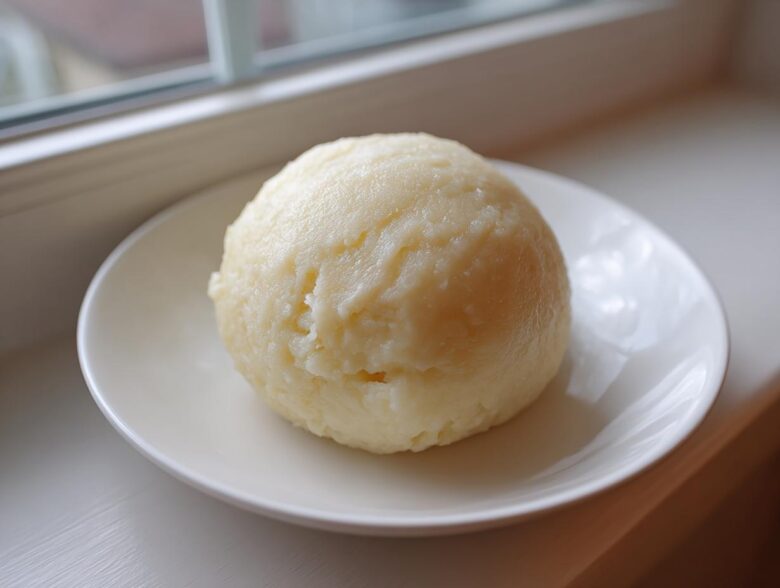
Okay, listen up! If you’re hunting for that ultimate, hug-in-a-bowl kind of meal, we need to talk about the queen of all starches: fufu. Seriously, nothing hits the spot quite like it when you’re craving something truly soulful and comforting. I remember the first time I tried to make it; I used the wrong type of flour and ended up with something hard enough to tile my bathroom floor! Oops! But don’t worry about those early mistakes because that’s why I wrote this guide over on the blog!
This guide is going to walk you through an Easy Fufu Recipe, showing you exactly how to get that perfectly smooth, pliable texture. We are making authentic, traditional West African fufu that’s totally manageable for beginners. Trust me, once you master this, you’ll be adding it to your regular rotation. Get your wooden spoon ready!
What is Fufu? Understanding This Essential African Comfort Food
So, what exactly is this magic dough we call fufu? Simply put, it’s a core staple starch across so much of West Africa. Whether you’re digging into some classic Nigerian Fufu or enjoying Ghanaian Fufu, the idea is the same. We cook down flour—usually cassava or yam—with hot water until it forms this thick, smooth mound. It’s what we call a ‘swallow’ because you pinch off a piece, roll it into a small ball, and use it to scoop up delicious soups and rich sauces.
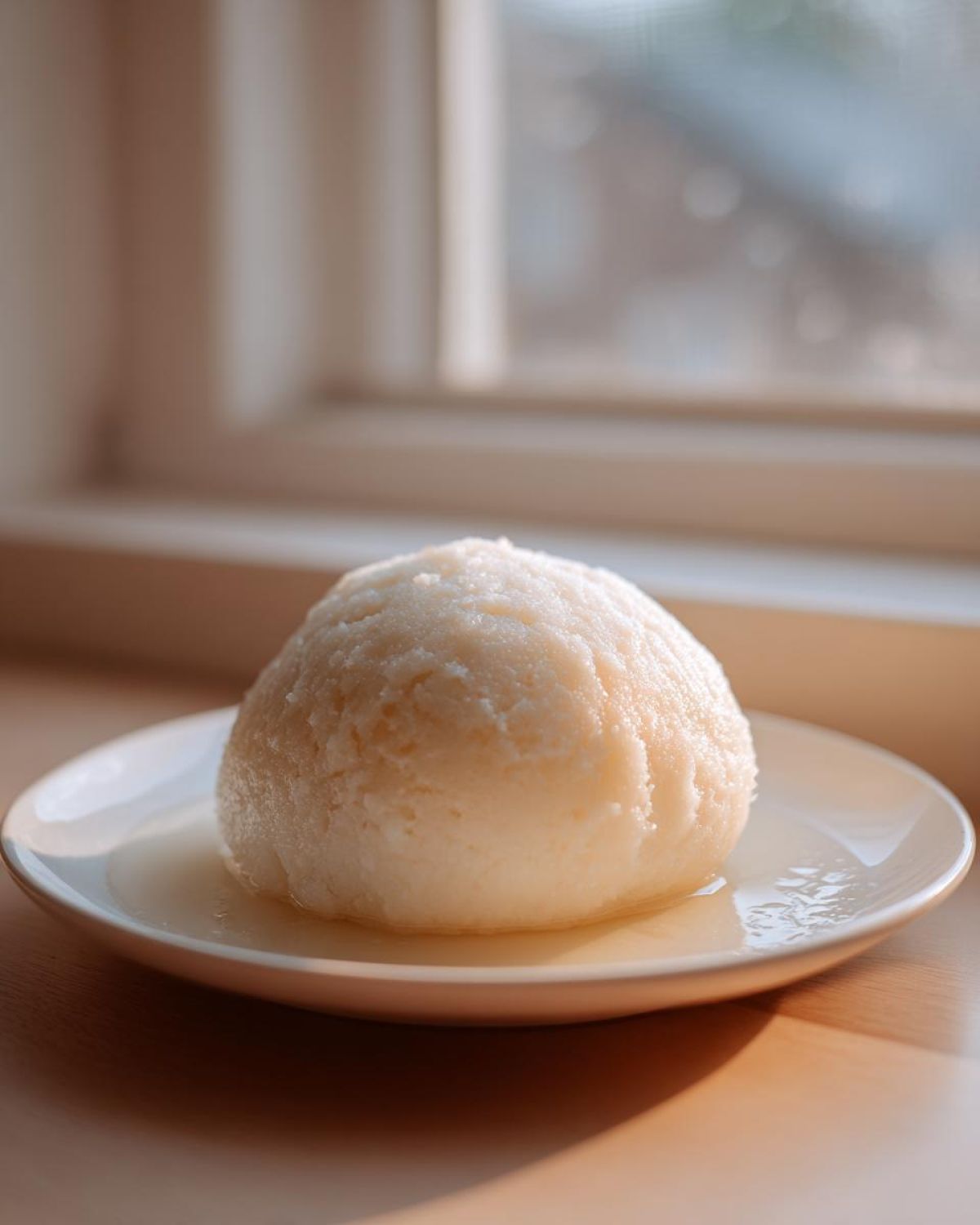
The texture goal here, my friends, is smoothness. It should be pliable, soft, and never lumpy. If you’re aiming for that perfect bite that slips easily off your thumb and blends perfectly with your stew, you’ve come to the right place. It’s the ultimate culinary comfort food!
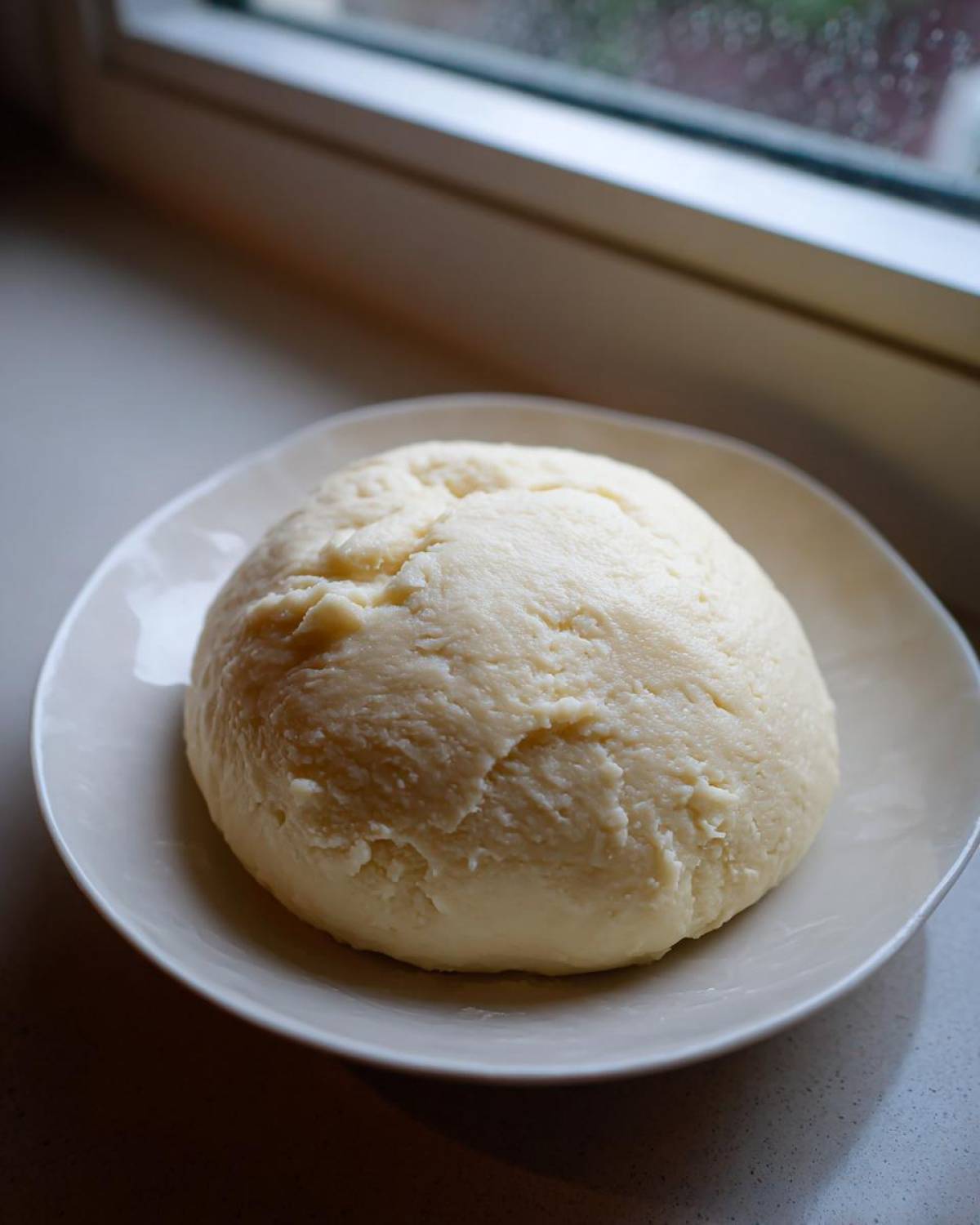
Fufu vs. Other Swallow Recipes
You might hear people talk about other ‘swallows,’ and that’s true! West African cuisine is amazing and diverse. For example, Eba is made from garri (processed cassava), and it has a slightly grainier, looser texture than what we are aiming for with true fufu. Amala, on the other hand, comes from yam flour but gets its signature brown color from dried yam. Our traditional recipe keeps things simple, focusing tightly on cassava or pure yam flour to give you that distinctly soft, dense, and perfectly pliable fufu dough. It’s a beautiful foundation for any soup, especially something velvet-smooth like a great celery soup, which I shared the recipe for here.
Gathering Ingredients for Your Authentic West African Fufu Recipe
Alright, let’s get down to the essentials! Making fantastic swalllows starts with having the right building blocks. For this beginner-friendly recipe, we are keeping the ingredient list super short, which is part of what makes the resulting fufu so universally loved. You just need flour and water, plus maybe a tiny bit of salt if you want to boost the flavor! Minimal ingredients mean the quality of that flour really, really matters if you want that Homemade Fufu Soft Texture.
For this version, I’m guiding you toward Cassava Flour. Why cassava? Because it’s widely available in most major grocery stores now, and when you cook it correctly, it gives you that slightly springy, true West African texture that’s just perfect for dipping. You can absolutely use yam flour or pounded yam flour, but for our first try, stick with cassava!
Don’t forget to check out my recipe for amazing roasted carrots sometime—they make a great side dish and use a totally different cooking magic! See the recipe here.
Ingredient Notes and Substitutions for Fufu
This is where we talk details, because the flour you choose is the absolute linchpin of this whole dish. You must look for fine-grain Cassava Flour. Please, please, please, do not mistake this for coarse tapioca starch—they act very differently when they hit the hot water! You want the fine powder.
If you can only find Yam Flour, go for it! That will give you a slightly sweeter, richer result, very similar to making true pounded yam, and it’s a wonderful substitute. Just know that yam flour *might* require you to keep stirring a tiny bit longer since it often absorbs water differently than the cassava product. If you happen to find premade Pounded Yam Flour (which is usually dehydrated), make sure you follow the package instructions for hydration, as it might cook even faster than our standard 15 minutes!
Remember: 2 cups of flour to 4 cups of water is our golden starting ratio. It looks like too much liquid at first, but trust the process!
How to Make Fufu: Smooth Fufu Instructions for Beginners
Okay, time to get cooking! This process might look a little dramatic as everything thickens up fast, but honestly, it’s quick once you get the rhythm down. We are aiming for that perfectly smooth fufu dough, and the key is staying organized. First things first: measure your water—4 cups—into a good, sturdy saucepan. Get that heating over medium-high until it’s just dancing, then drop the heat down to medium-low. If you’re adding salt, now is the time.
Now comes the part where you need your strong wooden spoon! Take about a quarter of your flour (the 2 cups total) and gently rain it into the boiling water while you stir constantly. You’ll notice it thickens up immediately into a slurry, almost like a thin porridge. Don’t stop stirring! Once that first bit is incorporated, slowly start adding the rest of your flour, maintaining that furious stirring motion. The mixture is going to fight back here; it will get very, very thick.
This thick, sticky mass is technically the ‘paste.’ You need to keep working it. You’ll stir and fold vigorously—and I mean *vigorously*—for about 5 to 10 minutes straight. This isn’t just mixing; you are kneading it with that spoon! We are eliminating every single tiny lump so that your final fufu is gloriously smooth. If you get lumps, they’ll stay lumps, so be determined!
If you’ve stirred forever and it still feels like you could build a small wall with it, don’t panic! We can loosen it up. Just splash in a little bit of hot water—maybe a quarter-cup at a time—and keep stirring until it relaxes into that soft, dough-like ball you want. Then, right off the heat, use a wet hand or a small bowl dipped in water to shape it into smooth balls. It’s ready to eat immediately with your favorite stew or soup!
Achieving the Perfect Authentic Fufu Dough Consistency
That stirring phase is non-negotiable for achieving Authentic Fufu Dough. You need muscle in that arm! You want to be pressing that thick dough firmly against the side of the pot. Think of it like pressing out air bubbles. If you don’t work it enough, you get weird, grainy patches, and nobody wants that! You’ll know you’re close when the whole mass starts cleanly pulling away from the sides of the pan as you stir in that circular, folding motion.
When you take it off the heat, the dough should feel heavy but still pliable. If you poke it gently, it should hold its shape but yield slightly. If, after all that vigorous kneading, it’s still stiff as a rock—which usually means you either added the flour too fast or your flour was exceptionally dry—that’s when you introduce that small splash of hot water, as mentioned above. Keep beating it in until you get that familiar soft give. Honestly, making great fufu is 80% arm strength and 20% waiting for the water to boil! Don’t forget to check out my no-fail recipe for soft homemade naan bread sometime; it requires a nice even mix too, here.
Tips for Success When Cooking West African Dishes: Making Fufu
Even though this recipe is straightforward, there are always a few cheat codes I’ve picked up over the years to make sure your fufu turns out gorgeous every single time, avoiding those crumbly or lumpy disasters. Think of these as my little secrets for perfect swallows—things I wished someone had told me earlier!
First tip, and this is huge: Use a sturdy wooden spoon or a heavy-duty rubber spatula. A light whisk is useless here; you need something strong enough to really press the dough against the side of the pot. We talked about this in the instructions, but it bears repeating—you are kneading, not just stirring! If your tool breaks or bends, you haven’t worked the dough enough.
Second, manage your heat like a hawk during the thickening phase. You need the water boiling when you add the flour initially, but once you incorporate that starch, drop that heat down to medium-low. If it boils too aggressively while it’s thick, the bottom layer burns and sticks instantly, giving you burnt spots that ruin the smooth texture of the final fufu dough. Low and slow during that kneading phase is key!
Third, always have extra hot water standing by. Sometimes, even with the perfect measurement, the ambient humidity or just the brand of flour can make your dough tighter than expected. Don’t try to save a stiff dough by forcing it; just splash in a tablespoon or two of hot water, mix it in thoroughly, and watch it loosen up beautifully. This little trick saves me every time!
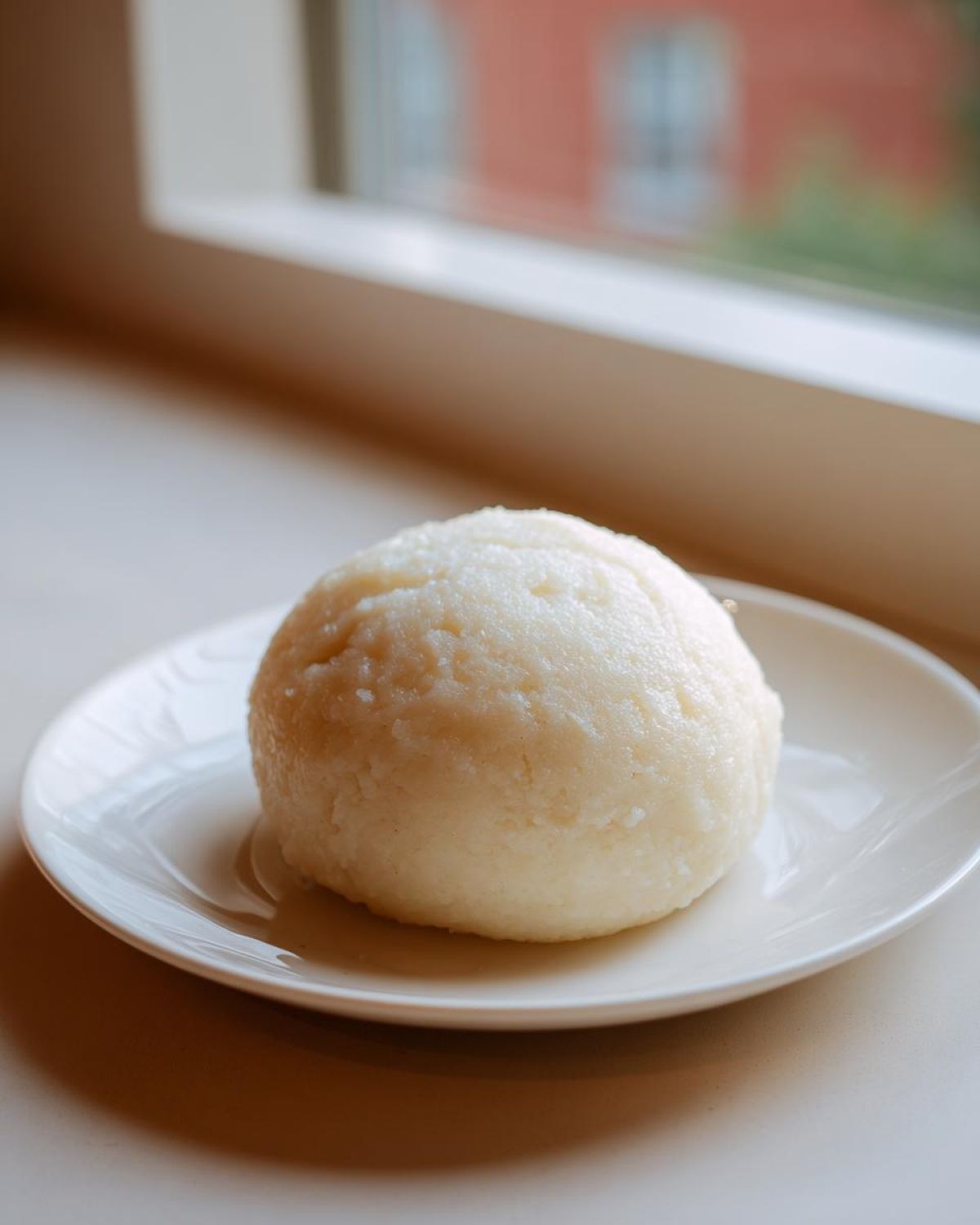
Finally, when you’re shaping the balls for serving, dip your hands (or whatever tool you use) in cool water, not hot. This stops the sticky dough from grabbing onto your fingers, giving you that perfectly smooth, presentation-ready dome to serve alongside your favorite stew. Speaking of light meals, this technique is similar to what I use to get fluffy rice pilaf, which you can find the recipe for here!
Fufu and Soup Pairing: Serving Your Homemade Fufu
Okay, now that you’ve worked your arm muscle into glorious submission and achieved that perfect, smooth mound of fufu, the best part begins: eating it! You can’t just eat this plain, obviously; fufu is the vehicle, the superstar side dish designed to carry flavorful soups and rich stews straight to your happy place. While there are dozens of amazing regional sauces, nothing screams classic West African comfort quite like pairing this dough with Egusi soup.
If you want the absolute crunch-free, flavor-packed experience, you need to chase the Best Fufu with Egusi Soup combinations. The nutty, hearty texture of egusi seeds blended into that rich palm oil base is just unbelievable with the softness of the fufu. It’s the classic wedding, the Sunday dinner standard, and my personal go-to combination!
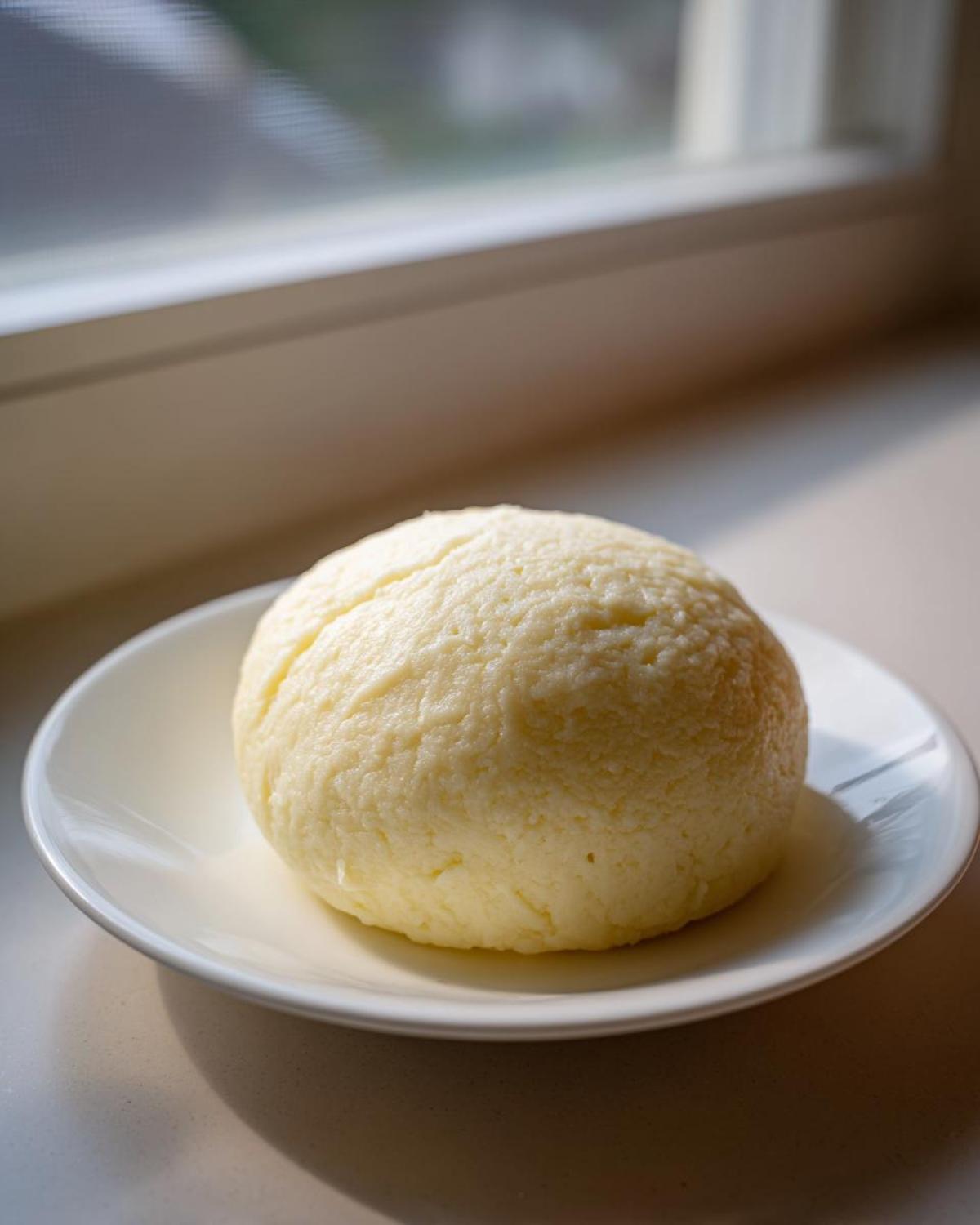
So, how do you eat it? Put the fork down! Fufu is traditionally eaten with your fingers. You pinch off a small, bite-sized piece—just enough for one satisfying swallow. Then, you use your thumb to press a little indentation into the top of that piece, creating a perfect little cup. Scoop up a good spoonful of your soup or stew right into that cup, and then—down the hatch! It should go in smoothly without needing to chew the dough itself. It’s messy at first, but totally worth it to do it the traditional way.
Serving Suggestions for This Quick Fufu Recipe
While Egusi is my heart, you should never limit your palate! This quick fufu recipe is absolutely versatile. If you’re looking for alternatives to soup, you’ve got tons of options that really showcase its texture. You can pair it beautifully with Okra soup—that slightly slimy texture mixes with the fufu in a way that just works for soaking up flavor.
Another fantastic option is Efo Riro, that delicious vegetable soup, which adds a whole different profile of earthy greens and often smoked meat or fish. The subtle flavor of the cassava or yam flour doesn’t compete; it just complements that savory, spiced vegetable blend. Honestly, you can pair this with almost any thick, savory West African stew you can dream up! It’s that perfect neutral sponge. If you’ve ever made a rich, homemade brown gravy, imagine dipping your fufu into that—it’s that kind of satisfying experience!
Since you’ve already mastered making the swallow, you might want to check out my simple guide on making rich brown gravy sometime; it’s great for dipping when you aren’t feeling soup-y!
Storage and Reheating Instructions for Leftover Fufu
Okay, you made a beautiful batch of fufu, but alas, you couldn’t finish it all in one sitting! Don’t you dare throw it out! This dough is too precious to waste, but you do have to treat it right so it doesn’t turn into a hard brick when you try to eat it later. Unlike leftovers that just need warming up, fufu dough can get seriously stiff when refrigerated because the starches lock up.
For short-term storage—say, two or three days—your refrigerator is the place to be. Scoop the leftover dough into an airtight container. Before you seal it up, put just a tiny splash of water on top of the dough mass. This little bit of moisture helps keep it from drying out completely while it chills. If you’ve shaped it into balls, that’s even easier; just keep the balls close together in the container with a damp paper towel draped over them.
If you’re not planning on eating your second batch for a week or more, you absolutely should freeze it! Shape the leftover dough into individual serving balls first—this is a lifesaver later. Wrap each ball tightly in plastic wrap, then place them all inside a heavy-duty freezer bag. It keeps really well this way for a good month, maybe even two!
When it comes to reheating, you need to reintroduce moisture and heat gently. Never just microwave a stiff chunk! That’s a recipe for disaster. The best way, hands down, is adding a splash of very hot water—maybe two tablespoons per serving ball—to a bowl, covering it tightly (a microwave-safe lid or plate works great), and zapping it in the microwave for about 30 to 45 seconds. Take it out, stir it vigorously with a fork or spoon—it softens right back up! You are essentially steam-cooking it quickly to wake those starches back up. If you want to get fancy, you can steam it over boiling water for about 5 minutes.
If you’re making something like a creamy chicken and rice casserole, which is the ultimate comfort food leftover, you can usually just stir the fufu right into the casserole toward the end of reheating to absorb some of that sauce! Find my favorite weeknight version of that casserole recipe if you need an idea for something cozy to eat with your reheated swallow!
Frequently Asked Questions About Making Fufu
I know when you’re new to this, a few things just don’t click right away, and that’s totally normal! Making fufu for the first time can feel like a mystery, especially when it comes to getting that bounce right. I’ve pulled together the questions I get asked most often about this Authentic Fufu Dough process. Hopefully, these clear up any last bits of confusion so you can serve up perfect swallows!
Can I use instant fufu flour instead of cassava flour for my fufu?
Yes, you absolutely can! That’s honestly the secret weapon for a Quick Fufu Recipe. Instant flour, sometimes labeled as ‘poundo yam flour’ or simply ‘instant fufu flour,’ has already been partially cooked (or gelatinized). This means when you add it to the hot water, it thickens up almost immediately. The trade-off? The cooking/kneading time in Step 5 is much shorter—usually only 3 to 5 minutes of serious stirring, versus the 10 minutes we need for the traditional product. You’ll still get great texture, just faster!
Why is my fufu dough too hard or stiff?
Oh honey, if it’s too hard, you just need to practice your reading comprehension skills—kidding! This is the #1 problem everyone faces. Usually, it means the starches absorbed more water than you expected, or maybe you added the flour too quickly when it was first boiling. The solution is simple, though: don’t panic! Just reheat the stiff dough gently over low heat and slowly introduce small splashes (like a tablespoon at a time) of *boiling* hot water. Keep stirring and folding aggressively. That dough needs that little bit of hot liquid shock to relax and become that wonderfully soft, pliable ball you’re looking for. Remember, a little water goes a long way!
How long does it take to mix everything for a beginner?
If you are using the traditional cassava flour like in our main recipe, budget about 15 total minutes of active cooking time once the water is boiling. The first 5 minutes are just mixing in the flour gently. The next 10 minutes are the intense stirring/kneading part to get rid of lumps and achieve proper structure. If you are rushing, you risk lumps, so I always advise people to go slow for those first 15 minutes! If you need more general cooking help, our About Us page tells you a little more about how we approach recipe writing!
Is this fufu gluten-free?
Yes, it absolutely is, provided you stick to the ingredients listed! Traditional cassava flour, yam flour, and plantain flour are naturally gluten-free staples. That’s part of why these starches have been relied upon for centuries across West Africa; they provide amazing energy and texture without any wheat. Just double-check your bag of flour to ensure there hasn’t been any cross-contamination during packaging if you have a severe allergy, but inherently, this dish is a wonderful Gluten Free African Staple.
Nutritional Snapshot of Your Cassava Fufu Serving
So, while we’re busy making this incredible, hearty dish, I know some of you are curious about what you’re putting into your body! Since this is such a pure starch base, the nutrition is pretty straightforward, but I always want to be upfront with you folks. This is an energy-boosting staple, designed to keep you going until your next meal!
Based on our standard serving size (that one nicely shaped ball that’s perfect for soup-scooping), here is the estimated breakdown of what you’re seeing per serving. Keep in mind, this is just a basic guide, and the exact numbers can wiggle around depending on the specific brand of cassava flour you happen to grab at the store!
- Serving Size: 1 ball (That perfect little scoop!)
- Estimated Calories: Around 250
- Carbohydrates: 58 grams (This is your main energy source!)
- Protein: 1.5 grams
- Fat: Less than 1 gram—yes, this dish is naturally very low in fat!
- Sugar: Super low, only about 0.5 grams
- Cholesterol: 0 mg
Because we aren’t adding any oils, butter, or other ingredients to the **fufu** itself, it stays wonderfully clean and essentially fat-free. It’s a fantastic, naturally vegan source of energy to fuel you up before you enjoy it with a rich soup like Egusi later on. You can always read more about how we approach nutritional estimates on our disclaimer page, just so you know everything is laid out transparently!
Share Your Experience Making This Traditional African Food
Wow, we made it! You’ve conquered the boiling water, powered through the vigorous stirring, and hopefully navigated your first successful batch of smooth, perfect fufu. Isn’t that amazing? It feels like such an accomplishment when you get that texture just right!
Now, the best part of all this cooking talk is hearing from you! I really want to know how your first attempt went. Did you manage to avoid any lumps? Were you brave enough to use your fingers to scoop up the soup, or did you sneak a fork in there? Be honest!
Please, take a moment and hop down to the comments section below. I’d love for you to give this West African Fufu Recipe a rating—aim high, I know you rocked it! Also, if you tried a pairing that surprised you—maybe you had it with a peanut stew instead of Egusi—please share it! We are all learning together, and knowing what other people love to eat with this starchy goodness is so much fun.
If you snapped a picture of your perfectly shaped dough balls next to a bowl of steaming soup, please share it on your favorite platform and tag me! Seeing your creations really makes my day and reminds me why sharing these family-style recipes is so important. You can always reach out directly via the contact page too if you have super specific questions!
PrintAuthentic West African Fufu Recipe for Beginners

Learn how to make smooth, traditional West African Fufu using simple steps, perfect for pairing with your favorite soups and stews.
- Prep Time: 5 min
- Cook Time: 15 min
- Total Time: 20 min
- Yield: 4 servings
- Category: Side Dish
- Method: Stovetop Cooking
- Cuisine: West African
- Diet: Vegan
Ingredients
- 2 cups Cassava Flour (or Yam Flour/Pounded Yam Flour)
- 4 cups Water
- Pinch of Salt (optional)
Instructions
- Measure the water into a medium saucepan and bring it to a boil over medium-high heat. Add a pinch of salt if you are using it.
- Once the water is boiling, reduce the heat to medium-low.
- Slowly sprinkle about 1/4 of the flour into the boiling water while stirring constantly with a wooden spoon or sturdy spatula. Stir until the mixture thickens slightly.
- Add the remaining flour gradually, continuing to stir vigorously. The mixture will become very thick and start pulling away from the sides of the pot. This dough is called the ‘paste’.
- Continue stirring and folding the paste vigorously for 5 to 10 minutes. You are essentially kneading it with the spoon to ensure there are no lumps and the texture is smooth and uniform.
- If the fufu is too stiff, add a small amount of hot water (about 1/4 cup at a time) and continue stirring until you reach your desired soft, dough-like consistency.
- Remove the fufu from the heat. Shape it into smooth balls using a small bowl or your hands dipped in water to prevent sticking.
- Serve immediately with soups like Egusi or light stews.
Notes
- For the smoothest texture, use a wooden spoon and stir in a circular motion, pressing the dough against the side of the pot to eliminate lumps.
- If you prefer using instant yam flour, the cooking time in Step 5 will be shorter, usually around 3 to 5 minutes.
- Fufu is traditionally eaten with your fingers; tear off a small piece, make an indentation with your thumb, and use it to scoop up the soup.
Nutrition
- Serving Size: 1 ball
- Calories: 250
- Sugar: 0.5
- Sodium: 5
- Fat: 0.2
- Saturated Fat: 0.1
- Unsaturated Fat: 0.1
- Trans Fat: 0
- Carbohydrates: 58
- Fiber: 2
- Protein: 1.5
- Cholesterol: 0