

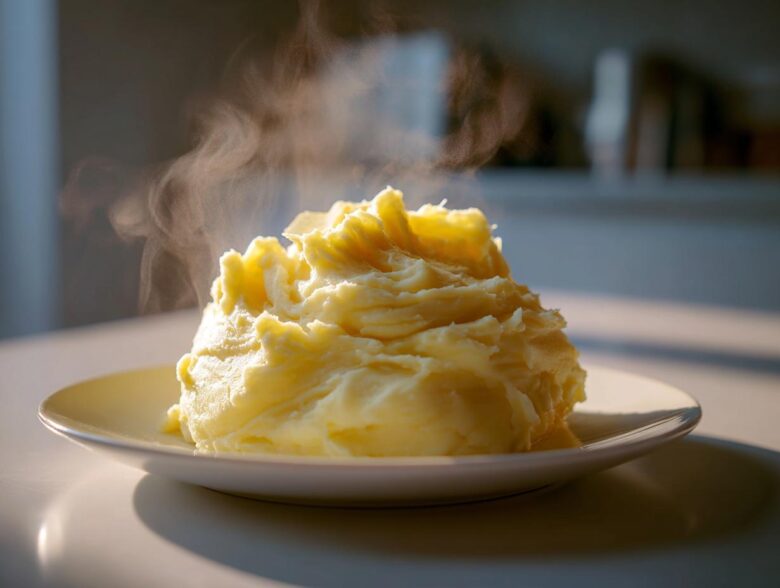
Forget dry, gluey lumps that ruin a perfectly good meal! I swear, making truly amazing mashed potatoes is less about tossing ingredients in a pot and more about respecting the potato. After years of trying every trick known to man—and yes, making some truly awful batches along the way—I finally cracked the code. This isn’t just *a* recipe; this is the ultimate blueprint for the best creamy, fluffy mashed potatoes you will ever serve. Trust me, once you nail this classic potato recipe, you’ll never look back. It’s pure comfort food magic, weeknight or holiday!
Why You Will Make These Creamy Mashed Potatoes Every Time
I know everyone promises the ‘best’ recipe, but after dealing with too much stickiness and not enough flavor over the years, I developed this method because it eliminates the classic pitfalls. These creamy mashed potatoes are simply non-negotiable for our family gatherings now.
Here’s why this recipe rises above the rest:
- Guaranteed Creamy Texture: We use the warm dairy trick (more on that later!) to ensure everything melts seamlessly, creating that luxurious mouthfeel you dream about.
- Achieved Fluffiness Through Technique: It’s not just about beating them! There’s a specific drying step that pushes out excess moisture so your potatoes stay light.
- Rich, Buttery Flavor: The ratio of butter to potatoes is just right—enough fat to taste incredible without feeling heavy.
- Versatility: Honestly, this is the perfect quick weeknight dinner side, but it’s absolutely substantial enough to anchor any holiday mashed potatoes spread.
Selecting the Best Potatoes for Fluffy Mashed Potatoes
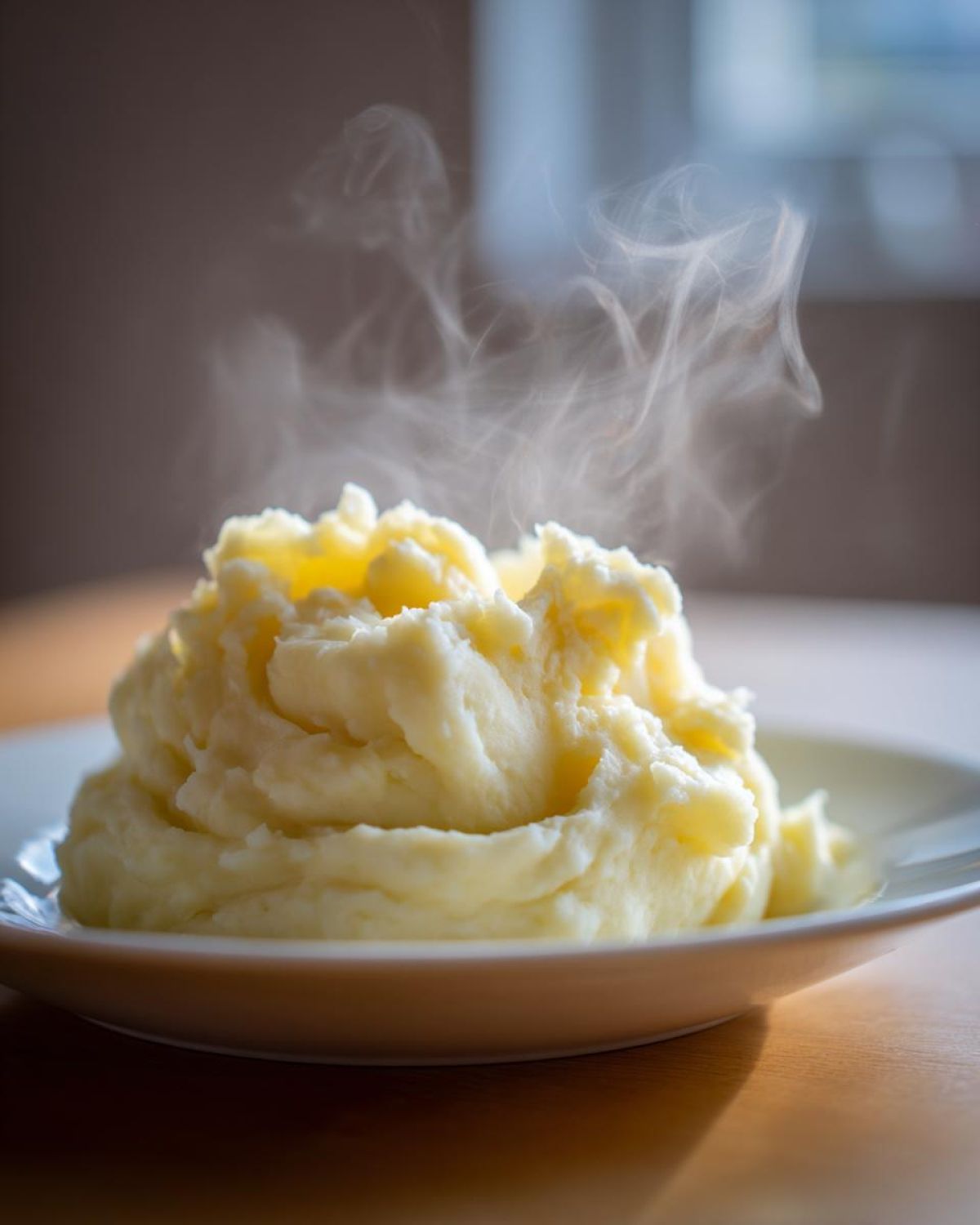
This is where all the professional chefs—and my mom—get serious! You can’t achieve truly fluffy potato side dish perfection if you start with the wrong spuds. I learned the hard way that not all potatoes are created equal when it comes to being mashed. Choosing the right kind is crucial, and honestly, it’s half the battle won before the water even boils. If you’re looking for that classic, light texture, pay attention to the type of starch inside.
If you want the lightest, fluffiest results possible for your next big dinner, you want high starch. That’s why I always recommend sticking to the classics. For my ultimate mashed potatoes, I mostly lean towards Russets. They break down beautifully during cooking, which is exactly what we need.
If you haven’t checked out how I handle creamy potato casseroles, you should! The technique is different there, but the potato selection philosophy is similar.
Potato Type Comparison: Starch vs. Waxy
It’s a simple rule: high starch equals fluffy mashed potatoes, low starch means waxy and gluey. Russets are high in starch and break up easily, making those lumps disappear. Yukon Golds are great too—they have medium starch and a natural buttery flavor that you sometimes can’t beat! Waxy potatoes, like red potatoes? Those are for roasting. They hold their shape too tightly, and if you try mashing them, they just turn into paste. Don’t do it to yourself!
When you get them home, peel them right away—I find they absorb water if you leave the skin on while waiting. Then, quarter them into pieces that are roughly the same size. That way, every piece cooks evenly. If you have some massive potatoes, cut them smaller than the rest so everything finishes cooking at the same time. Nobody wants crunchy bits mixed in with their smooth mashed potatoes!
Essential Ingredients for Ultimate Mashed Potatoes
Okay, now that we’ve chosen the right potatoes (hopefully Russets!), we have to talk about the things that make these the ultimate mashed potatoes. This isn’t the time to skimp! The quality of your dairy really dictates how rich and savory these buttery mashed potatoes turn out. I’ve listed exactly what I use below—these measurements have been tested for weeks of perfect, fluffy side dish preparation, whether it’s a Tuesday night or Thanksgiving!
- 3 lbs Russet or Yukon Gold potatoes, peeled and quartered
- 1 cup whole milk
- 8 tablespoons unsalted butter, cut into pieces
- 1/2 cup heavy cream
- 1 teaspoon salt, plus more for boiling water
- 1/2 teaspoon black pepper
- 2 tablespoons sour cream (optional, for extra tang)
See that butter? It needs to be cut up into smaller cubes. That helps it melt evenly when we warm it up later. And those four ingredients—milk, butter, heavy cream, and the optional sour cream—are what create the unbelievably creamy mashed potatoes texture we are aiming for. Don’t even think about using low-fat milk here; we need the fat for flavor and stability!
Ingredient Notes and Substitutions
I get asked all the time about substitutions, especially when someone is running to the store mid-recipe creation. Generally, I stick hard to this list for the best homemade mashed potatoes, but here are a few things I’ve learned through testing:
Butter Dilemma: If you only have salted butter on hand, that’s fine! Just cut the added 1 teaspoon of salt in half and taste before adding any more. If you use unsalted, you have full control over the seasoning, which I prefer.
Heavy Cream Substitute: If you’re out of heavy cream, you can use whole milk again, but you might need a touch less milk overall. For the *ultimate* richness if you skip the cream, you could substitute it with an extra two tablespoons of butter, but the texture won’t be quite as velvety smooth.
Sour Cream: This is my secret weapon for a little tang, which cuts through all that richness. If you skip it, your potatoes will still be fantastic, just less complex. If you want to try something different but need that tang, Greek yogurt works in a pinch for the optional sour cream amount. When you’re whipping up that garlic butter later, remember to use good quality ingredients here, too!
Remember, the cold ingredients have to go. Every single dairy item we add needs to be warm or room temperature so it incorporates perfectly into those hot potatoes, preventing any cooling shock that could lead to lumps or density. That’s a rule you cannot break for the smoothest results!
Step-by-Step Instructions for Perfect Mashed Potatoes
This is where the magic happens! If you follow these steps exactly, I promise you goodbye lumps and hello velvety, fluffy pillows. We treat the potato gently through the whole process, which is key to keeping everything light and airy. Don’t rush the initial cooking, and pay close attention once the water is drained because those early steps set the stage for the best homemade mashed potatoes.
First things first: never throw your potatoes into already boiling water! They need a gentle introduction. Put your peeled and quartered potatoes into a large pot and cover them with cold water by about an inch. Then, add a good tablespoon of salt to that water—this is your only chance to season the potato from the inside out. Bring it to a hard boil, then drop it down to a steady simmer until they’re fork-tender, usually about 15 to 20 minutes.
Now for the most crucial move for smooth mashed potatoes technique: drainage and drying! Drain those potatoes completely in a colander. Let them sit there for a full five minutes until you can see the steam drifting away from them. Excess water equals watery potatoes, and we’re not having that. Then, take the empty, warm pot, toss the potatoes back in, and put it on the lowest heat for just a minute, shaking them gently. This extra minute of drying evaporates any surface moisture clinging to them.
The Secret to Lump-Free Mashed Potatoes
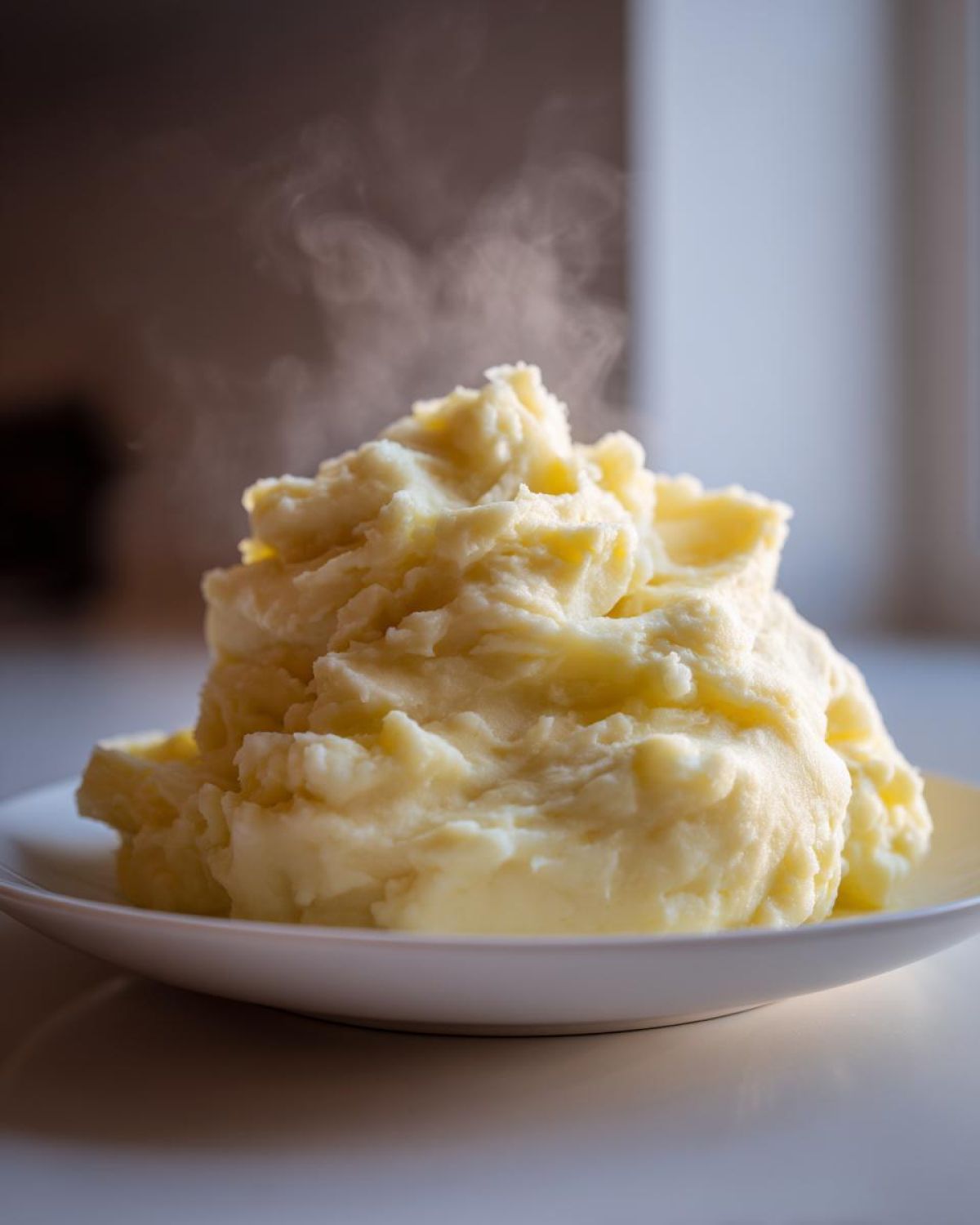
Once they are dry and back in the warm pot off the heat, it’s time to mash! This is the moment people ruin everything by grabbing their electric mixer. Stop! Put the mixer down! If you beat the starch in potatoes too aggressively, it releases and turns your stunning side dish into wallpaper paste. It’s just a fact of potato life.
For the creamiest mashed potatoes, you have two main tools: a hand masher or, if you want professional-level smoothness, a potato ricer. My preference is a ricer—it creates these tiny, feathery little strands that integrate beautifully with the dairy. If you’re using a masher, take your time. Mash until there are almost no large chunks left, but stop before you start vigorously whipping it into submission. Aim for texture, not glue.
Warming Dairy for Creamy Mashed Potatoes
You remember how I stressed using warm dairy? This is why. While you are letting the potatoes steam-dry, grab a small saucepan. Gently heat your whole milk and the butter pieces together until the butter is completely melted. Please, PLEASE do not let this mixture boil; you just want it warm, maybe steaming slightly. I learned this the very hard way once when I poured frigid milk straight from the fridge into my hot potatoes—the whole batch seized up almost instantly! It was a disaster.
Once your milk and butter are perfectly warm, pour that heavenly mixture slowly into your mashed potatoes (which are still off the heat!). Gently fold it in with a wooden spoon or continue using your masher until it’s mostly absorbed. Keep folding until you’ve incorporated the heavy cream, salt, and pepper. If you are using that optional sour cream, stir that in last. Overmixing at this stage is what tightens them up, so stop stirring as soon as it looks uniformly mixed and ready for the table. You want them creamy, not springy!
We’re going to look at some advanced tips next, including checking out this fantastic fluffy rice technique that shares some similar principles about gentle mixing!
Expert Tips for the Best Homemade Mashed Potatoes
Mastering the basics gets you 90% of the way to perfect potato side dish heaven, but those last few expert moves are what separate good from legendary. I’ve gathered a few non-negotiables that I picked up after many years of trying to get that rich, buttery mashed potatoes texture just right for holiday mashed potatoes gatherings.
My most vital piece of advice? Never, ever try to rush the temperature part! I once tried to make mashed potatoes for a big family dinner when I was first moving out. I was running so late, I thought, “It won’t matter if the milk is cold, right? The potatoes are hot!” Wrong. Dead wrong. The whole bowl immediately solidified and got gummy because the cold dairy shocked the hot starch. Disaster! I had to basically start over. Now, I always warm everything gently.
Here are a few more things I’ve learned that make these the best homemade mashed potatoes you’ll ever serve:
- Don’t Fear the Salt in the Water: If your potatoes taste bland, guess what? They needed more salt in the boiling water. The potato absorbs that salty water as it cooks, seasoning from the core out. If you skip this, no amount of salt added at the end will fix it. I use a generous tablespoon!
- The Butter Should Be Room Temp (If Not Melted): When I warm my butter and milk, I make sure my butter pieces are already soft—they should be easily dented by a finger. If your butter is rock hard, it takes longer to melt in the saucepan, which means your milk gets too hot! Soft butter melts faster into the warm milk, helping keep the overall temperature even.
- Serve Immediately, Seriously: Mashed potatoes are happiest right after they are made. They retain their fluffiness and creamy texture best when warm. If you absolutely must hold them, keep them in a slow cooker on the lowest “Keep Warm” setting—never “Low”—and stir every 15 minutes. But honestly, making them fresh is the best way to ensure a fantastic comfort food side dish. For more inspiration on amazing sides, check out my general recipe index!
Storage and Reheating Buttery Mashed Potatoes
I know how it is; sometimes you make a huge batch of these buttery mashed potatoes because, well, why wouldn’t you? They are just too good to stop eating! But you do have to store the leftovers properly, otherwise that wonderful creamy texture turns into a brick overnight. Don’t worry, reviving these beauties is actually pretty easy if you know the trick to avoid that dry, crumbly texture when you reheat them.
For chilling, the key is speed. Pop them into an airtight container as soon as they cool down slightly. You don’t want them sitting on the counter for hours! They should last happily in the fridge for about three to four days. If you are planning ahead for a bigger meal, you can even freeze small portions in freezer bags for up to a month.
When it’s time to bring them back to life, *never* use high heat settings, no matter how tempting it is to cook fast. High heat zaps all the remaining moisture, and you’ll end up with cement again. For the stovetop method, which I highly recommend for the best results, you’ll need to add back moisture.
Here is my stovetop revival process:
- Take the cold potatoes out of the fridge and place them in a heavy-bottomed saucepan.
- Add a splash of liquid for every cup of potatoes—I use a mix of milk and a small knob of fresh butter. It should be about one or two tablespoons of liquid per cup of potatoes you are reheating.
- Place the saucepan over the absolute lowest heat setting your stove offers.
- Stir them gently and slowly. Keep stirring and scraping the bottom until everything is heated through and smooth again. The added liquid will re-emulsify the fats and restore that gorgeous fluffy potato side dish look.
If you’re starving and need a super quick reheat, the microwave works, but you have to treat it like the stovetop method: add a splash of milk or cream to the bowl before microwaving. Heat it in 30-second bursts, stirring well in between each burst. If you microwave it for two straight minutes, it will dry out for sure!
Once they are revived and piping hot, they are perfect for smothering with some delicious homemade gravy! You might want to check out my recipe for brown gravy—it goes perfectly with these ultimate mashed potatoes.
Flavor Variations on the Classic Potato Recipe
Honestly, while these classic mashed potatoes are perfection on their own, sometimes you just want to jazz things up a little bit—maybe you have some forgotten ingredients in the fridge or you’re just feeling adventurous! I love keeping these simple additions in mind because they instantly transform the texture or flavor profile without messing up that core creamy texture we worked so hard to achieve.
You absolutely don’t need a whole new recipe to get a fun twist on your favorite comfort food side dish. A little creativity goes a long way!
Here are a few ways I like to switch things up when serving these fluffy potato side dishes:
Roasted Garlic Goodness: This is my absolute favorite savory upgrade. Roast a whole head of garlic wrapped in foil with a drizzle of olive oil until it’s super soft—it takes about 30 minutes at 400°F. Once it’s cool enough to handle, squeeze those sweet, mellow cloves right into your potatoes before you add the final mix-ins. It adds a depth that is just incredible. It’s so much better than raw garlic, which is way too harsh for these delicate mashed potatoes!
Cheesy Heaven: If you want to dive headfirst into decadence, stir in about half a cup of freshly grated Parmesan cheese right at the very end, when you stir in the cream. Make sure you grate it yourself—the pre-grated stuff has anti-caking agents that make things gritty! It adds a salty, nutty kick. If you love Parmesan, you might also want to try pairing these potatoes with my creamy garlic aioli sometime—though that’s usually spread on fries, the garlic flavor profile works beautifully here too!
Fresh Herbs for Color: Sometimes you just need some bright color, right? Finely chopped chives or fresh parsley mixed in at the very end gives the potatoes a lovely visual pop and a fresh, oniony bite. Use about two tablespoons, mixed in right before serving. It reminds me of the fresh herbs we grow out in the garden during the summer; it just tastes so vibrant!
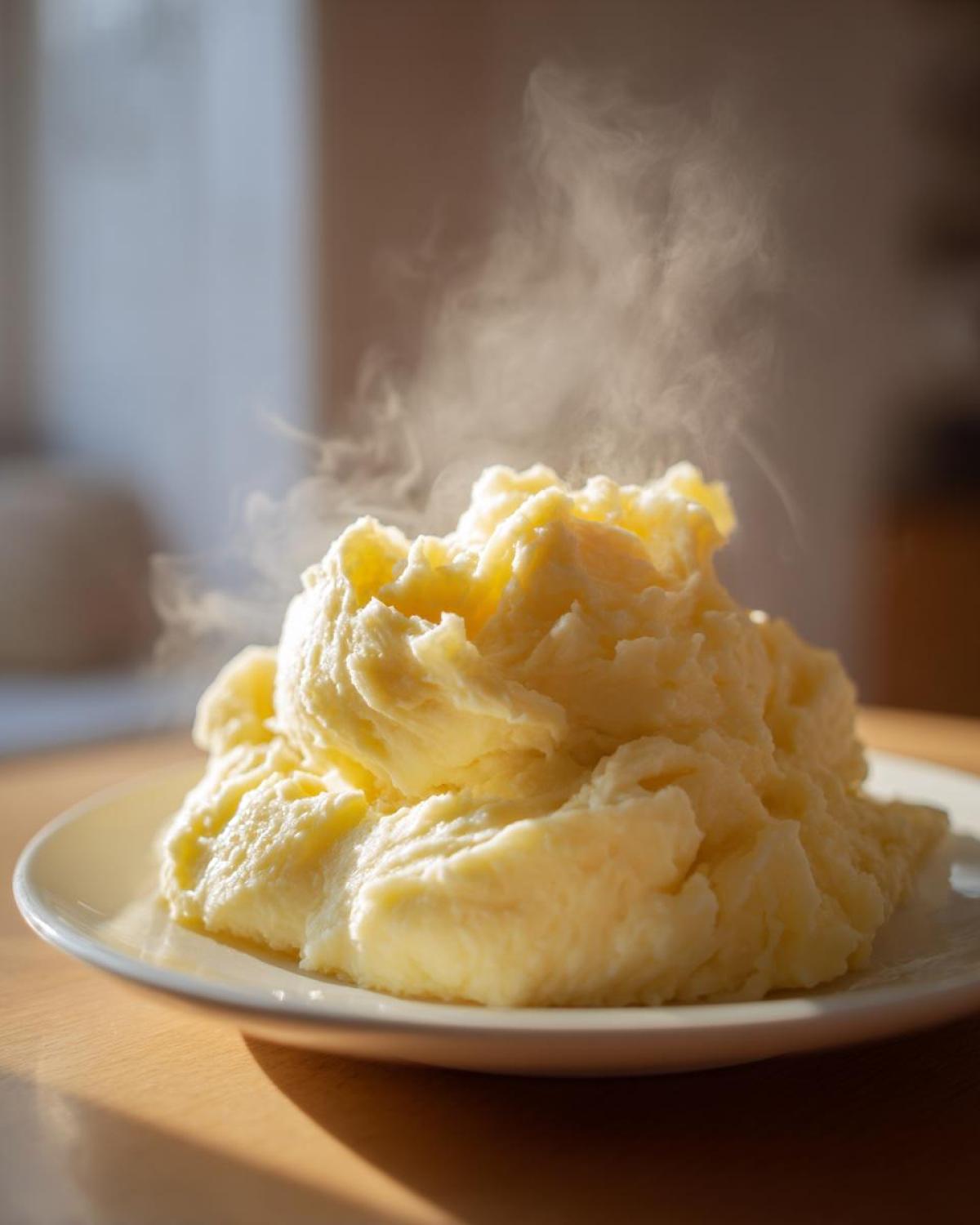
These additions are great because they don’t change the ratios of the main ingredients—the potato, butter, and cream—so you keep that signature fluffy potato consistency every single time. It’s simple enhancement, not reinvention!
Frequently Asked Questions About Mashed Potatoes
I get so many messages about slight adjustments or what to do if something goes wrong, so I figured writing down the most common questions right here would save you some time! Dealing with potatoes can sometimes feel like it requires a degree in chemistry, but I promise, sticking to the basics and knowing these tricks will make your life easier.
Can I make these creamy mashed potatoes ahead of time?
Yes, you totally can, but you have to do it right if you want that amazing texture back! If I’m hosting a big event, I often make them completely the day before. After mashing, instead of adding all the cold dairy, I only stir in about half of the butter and milk. I let them cool slightly, cover them tightly, and refrigerate. When it’s time to serve, I transfer them to a saucepan and slowly reheat them over low heat, adding the remaining cold butter, milk, and cream bit by bit until they are perfectly smooth and hot again. This is the best way to guarantee you get excellent creamy mashed potatoes without the rush on the big day.
What is the fluffiest potato side dish technique if I don’t own a ricer?
Oh, I totally get it—not everyone has room for every specialized tool! If you are aiming for the fluffy potato side dish look without a ricer, you must use a sturdy hand masher and focus heavily on that steam-drying step in the recipe. After you mash them mostly smooth, put them back in that warm, dry pot over minimal heat (off the burner!) and gently fold them for about two minutes. This forces remaining moisture out. Also, using Russets is your best friend here because they are naturally very starchy and less prone to turning gluey.
Can I use instant potatoes instead of starting from scratch?
Oh boy, please don’t! If you are going through all this trouble to measure warm cream and carefully melt butter, why would you ruin it with instant flakes?
Instant potatoes, bless their hearts, are designed for speed, not for flavor or the ultimate texture. They often have added stabilizers that lock in a slightly plastic-y flavor and prevent you from ever achieving that luxurious, buttery mashed potatoes taste we are chasing. Part of what makes this my favorite easy mashed potato recipe is that it *looks* complicated but is actually simple—and it tastes a million times better than any box mix. For the best potato flavor, always start with real potatoes!
Why do my potatoes sometimes look glossy or gluey?
That glossiness or gluey texture means you over-worked the starch in the potatoes. This happens most commonly if you use an electric mixer or food processor. Those tools agitate the starch molecules, making them expand too much and stick together like… well, glue! To avoid this for your next batch of smooth mashed potatoes technique success, just use your hand masher or ricer and mix only until the ingredients are gently incorporated. Remember what I said—stop mixing once you no longer see streaks of white!
Nutritional Estimates for This Comfort Food Side
I know some of you are watching those macros, even when diving into the best, most comforting side dishes! While these are definitely rich, buttery mashed potatoes—so they aren’t exactly a ‘light’ dish—I wanted to give you a rough idea of what you’re looking at per serving. Remember, these numbers are just estimates, based on using standard whole milk and excluding the optional sour cream amount, since everyone personalizes that differently.
For detailed facts about the ingredients and our general approach to recipe analysis, you can always check out our full site disclaimer page. But generally speaking, here’s the breakdown for one typical cup serving of these truly ultimate mashed potatoes:
- Serving Size: 1 cup
- Calories: 280
- Fat: 18g
- Saturated Fat: 11g
- Carbohydrates: 28g
- Protein: 5g
- Sugar: 4g
- Sodium: 350mg
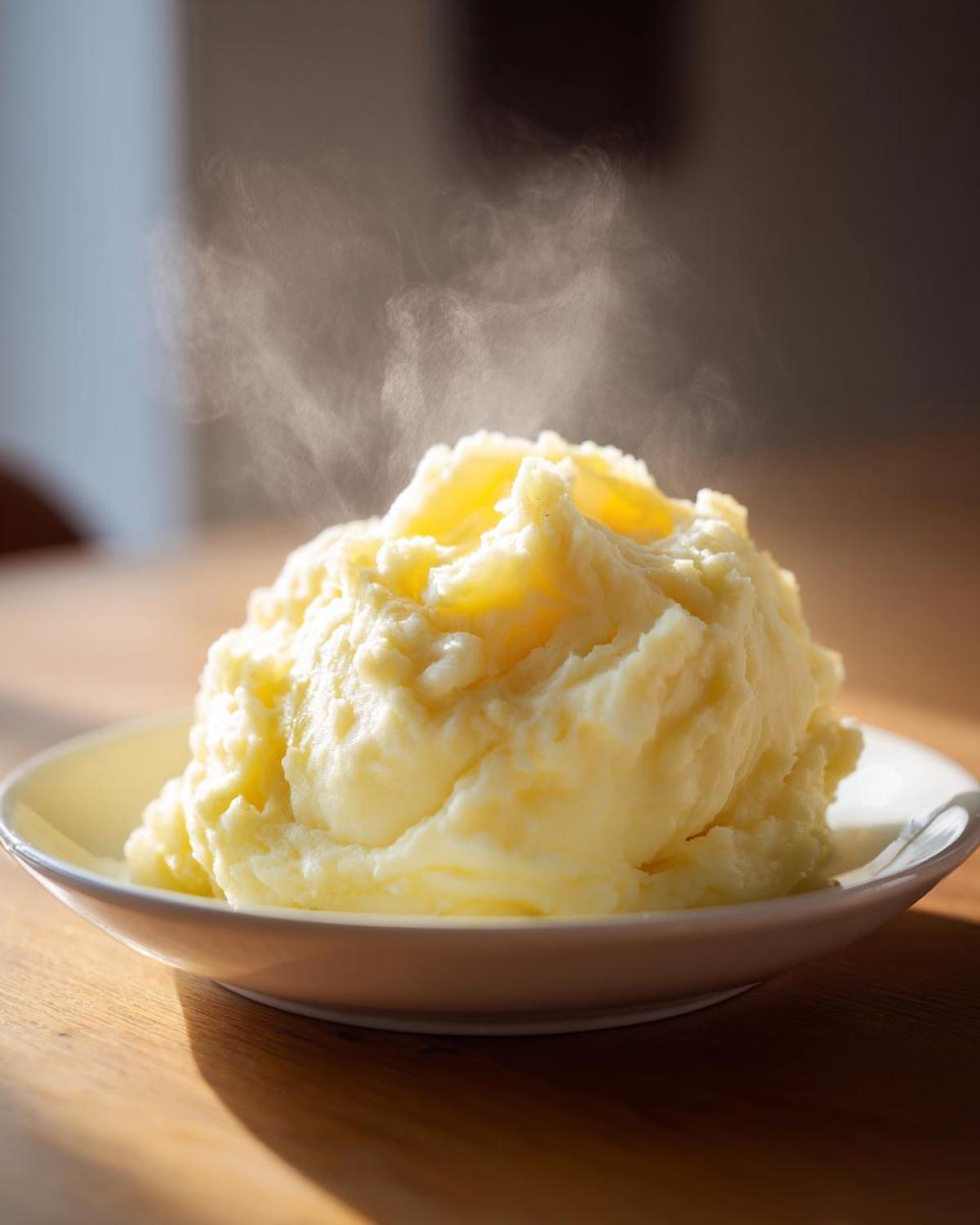
The sodium content can jump up depending on how much salt you add to the water and how much you season at the table, so taste before you salt! But as you can see, most of those calories are coming from that glorious fat content—the butter and cream! And honestly? That’s what makes this such an incredible, satisfying comfort food side dish that’s worth every single bite. Enjoy!
PrintThe Best Creamy, Fluffy Mashed Potatoes
This recipe provides simple steps for making rich, buttery, and lump-free mashed potatoes with a perfectly creamy and fluffy texture.
- Prep Time: 15 min
- Cook Time: 20 min
- Total Time: 35 min
- Yield: 6 servings
- Category: Side Dish
- Method: Boiling and Mashing
- Cuisine: American
- Diet: Vegetarian
Ingredients
- 3 lbs Russet or Yukon Gold potatoes, peeled and quartered
- 1 cup whole milk
- 8 tablespoons unsalted butter, cut into pieces
- 1/2 cup heavy cream
- 1 teaspoon salt, plus more for boiling water
- 1/2 teaspoon black pepper
- 2 tablespoons sour cream (optional, for extra tang)
Instructions
- Place the peeled and quartered potatoes in a large pot. Cover them with cold water by about one inch. Add 1 tablespoon of salt to the water.
- Bring the water to a boil over high heat. Reduce heat to maintain a steady simmer and cook until the potatoes are fork-tender, about 15 to 20 minutes.
- Drain the potatoes completely in a colander. Let them sit in the colander for 5 minutes to allow excess steam to escape. This step helps prevent watery potatoes.
- Return the drained potatoes to the dry, warm pot. Place the pot over low heat for 1 minute, gently shaking the pot to dry them further. Remove from heat.
- In a small saucepan, gently heat the milk and butter together until the butter is melted. Do not boil.
- Using a potato masher or a ricer, mash the potatoes until mostly smooth. If you prefer very smooth potatoes, use a potato ricer.
- Gradually pour the warm milk and butter mixture into the potatoes while continuing to mash or mix gently with a wooden spoon until just combined. Avoid overmixing.
- Stir in the heavy cream, salt, pepper, and sour cream, if using. Mix until the potatoes reach your desired consistency.
- Taste and adjust salt and pepper as needed before serving immediately.
Notes
- Use starchy potatoes like Russets for the fluffiest results, or Yukon Golds for a naturally buttery flavor.
- Warming the milk and butter prevents the potatoes from cooling down too quickly during mixing.
- For lump-free potatoes, use a potato ricer instead of an electric mixer.
Nutrition
- Serving Size: 1 cup
- Calories: 280
- Sugar: 4
- Sodium: 350
- Fat: 18
- Saturated Fat: 11
- Unsaturated Fat: 7
- Trans Fat: 0.5
- Carbohydrates: 28
- Fiber: 3
- Protein: 5
- Cholesterol: 55